
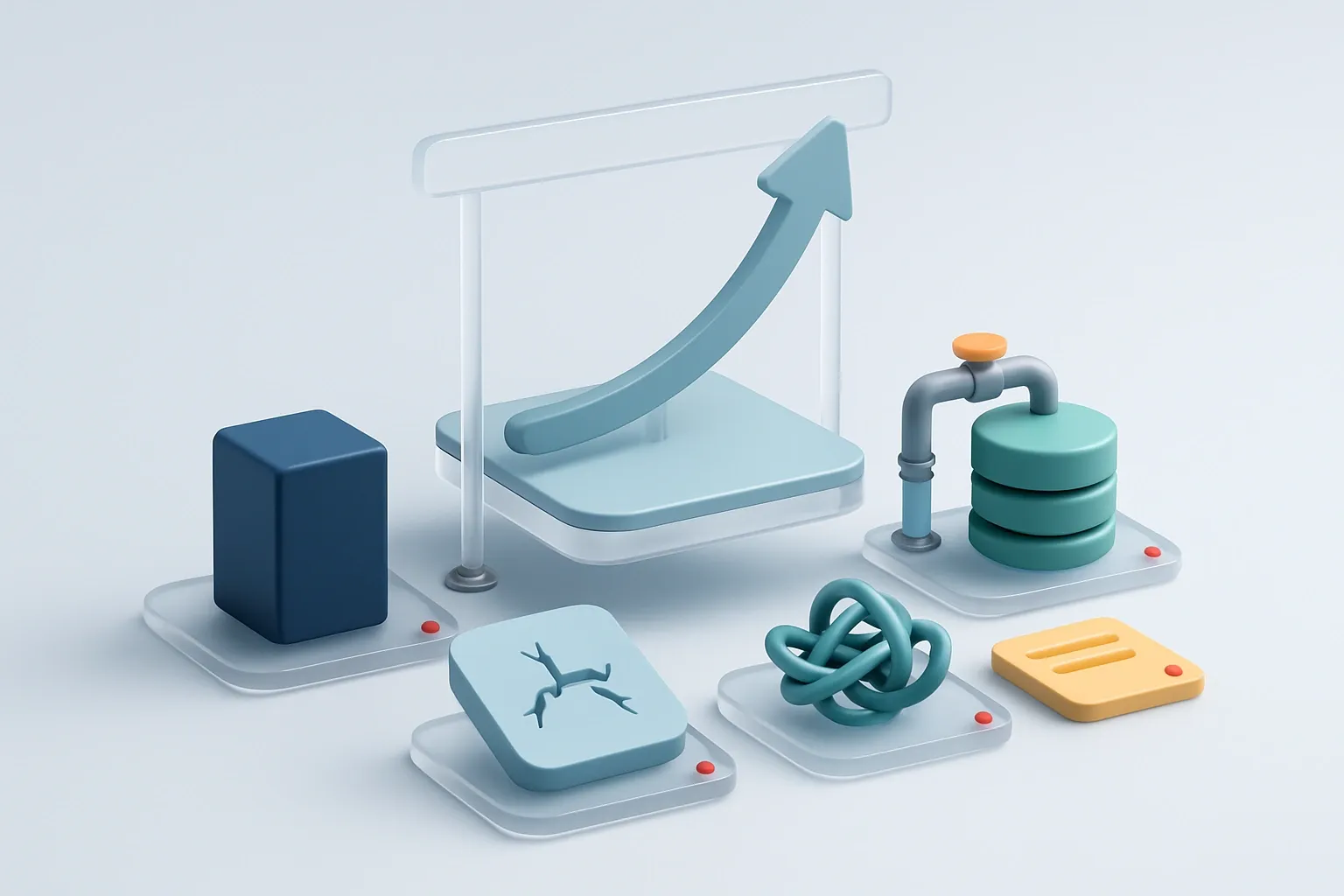

5 Growth Bottlenecks Hidden Inside Your Core Platform
Stability tends to be a fairly easy objective to accomplish when a user base is small. But what happens when your platform really starts exploding?
Early stability does NOT mean scalability. When growth accelerates, issues arise and caps emerge. Innovation grinds to a halt, and operational drag sucks every penny of profitability out of your once-perfect digital product.
Experienced and talented application developers know this. Platforms that prioritise stability to the detriment of all other objectives struggle to deliver growth. They also know — like we do at DigiNeat — that the bottlenecks hindering your product’s long-term scalability can be identified and addressed at a strategic level.
But you’ve got to know what those bottlenecks are to take action. We’re here to help.
1. The Monolithic Architecture Trap

Operational simplicity and speed-to-market persuade some application development teams to begin digital products with a single, tightly-coupled codebase.
When the scale of an application is limited, this isn’t a big issue. The issues start flooding in when transaction volumes and the number of features begin to soar.
Before you know it, you’re fighting an uphill battle as an application developer. Rollouts are taking weeks instead of days, risks start piling up, and teams become more hesitant about improving their product for fear of causing further issues.
One study that compared software development architectures revealed that monolithic systems average 308ms response times, compared with just 16ms for modular systems .
In the business, we call this a performance cliff. Monolithic architecture delivers stability at first. But when user numbers start increasing, performance takes a dive.
2. An Abundance of Technical Debt

Founders, CTOs, and product executives are up against it from the moment the development of a digital product begins. The pressure to get to market, keep costs low, and minimize risks is huge. So, quick fixes, shortcuts, and delayed reworks seem like an attractive short-term option.
But all you’re doing here is kicking the can down the road. The decisions you made months ago might have been based on logic, but they’re now coming back to bite you in the a**. Your team’s development bandwidth is now being devoted to maintenance instead of adding value to your product.
And that’s when a once successful platform can begin to struggle. Technical debt just gets in the way of everything.
According to research, more than 62% of application developers rank technical debt as their biggest frustration . When all you’re doing is firefighting, there’s little time or energy left to actually improve your product.
3. Limited Database Scalability
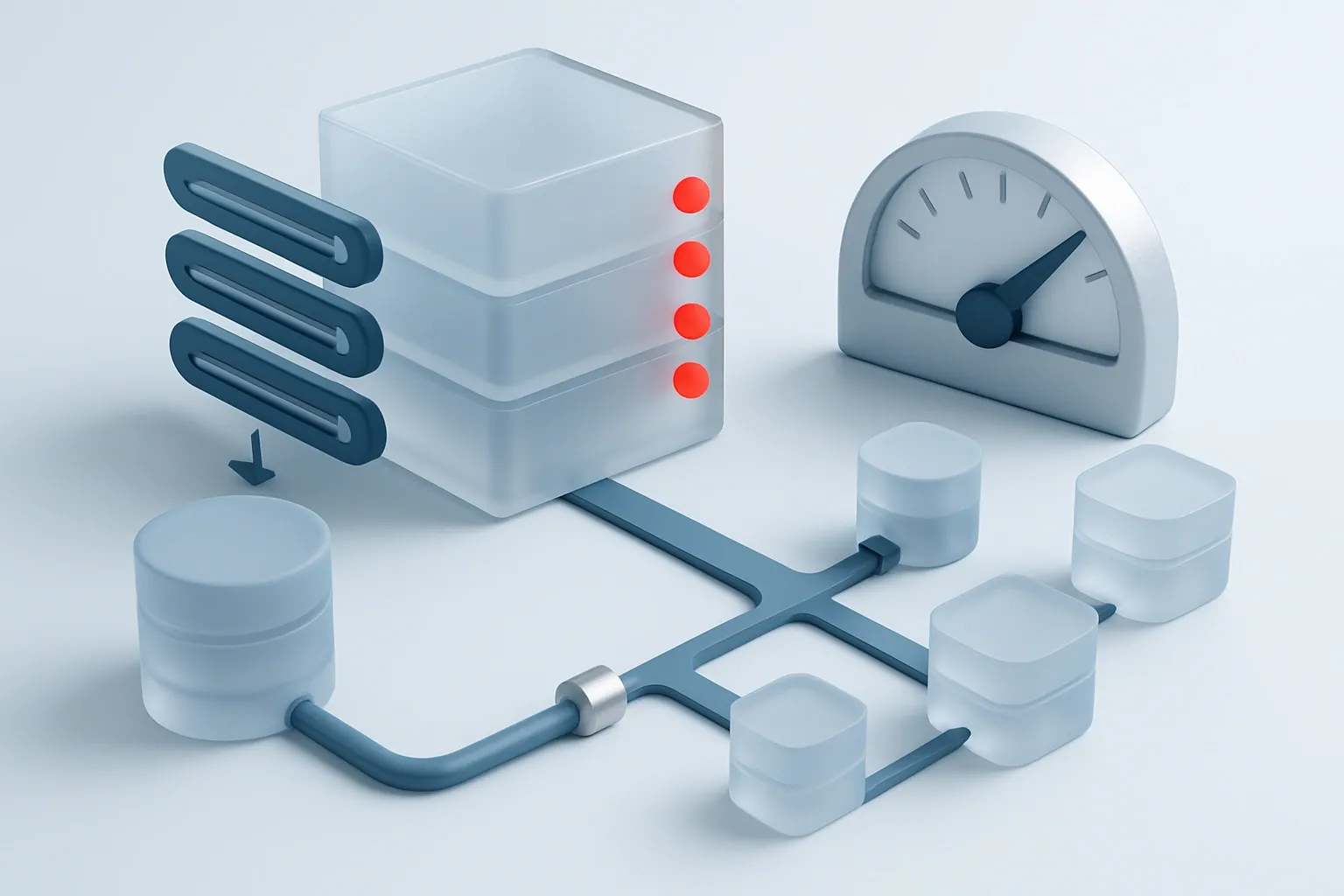
Your central data layer was optimized for a steady flow of transactions at manageable volumes. Times were good. Your digital product was earning rave reviews, and the future looked bright.
But then, data began to grow exponentially, and query patterns diversified. All of a sudden, your once-reliable platform has been KOed by information overload, locking, and slow processing.
Outages start appearing from nowhere. Performance starts to wane. The stable core you once celebrated is now hitting a growth choke point. The reality is clear: Your database just isn’t up to the job.
For more than 90% of mid-size and large enterprises, the per-hour cost of downtime is more than $300,000. And in many cases, low core database limits are the biggest culprit.
Future-proof your digital product by engineering a powerful, high-capacity database from the outset. In the long run, it will save you a small fortune.
4. Integration Headaches
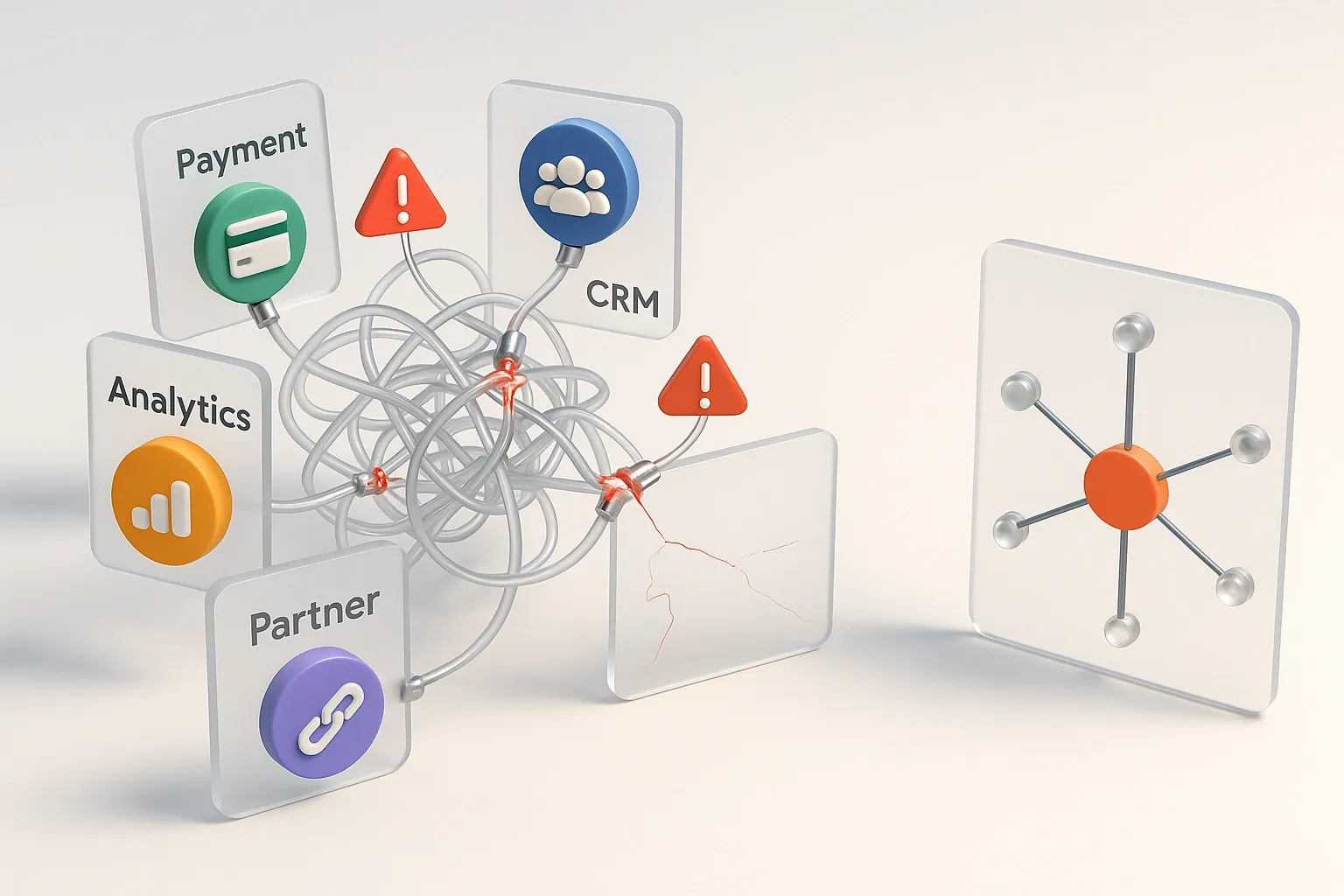
The first iteration of your digital product may have been lean, mean, and relatively simple. Reliability was sky high, but the ticking time bomb that is scalability was always waiting to go off.
You added payment gateways, CRMs, analytics tools, and a plethora of partner ecosystems over the subsequent weeks and months. All of these were integrated with a series of brittle, point-to-point links.
Today, you’re left with a complex, almost unmanageable patchwork quilt of separate features and processes. It seems like every new update you make or feature you add leads to a host of new problems and maintenance issues.
Organizations left with the complexities of legacy integrations spend up to 70% of their development time on maintaining integrations rather than building new functionality. If your competitors have a modernized approach to integration, your platform could be in big trouble.
5. Substandard Caching and Performance Layers
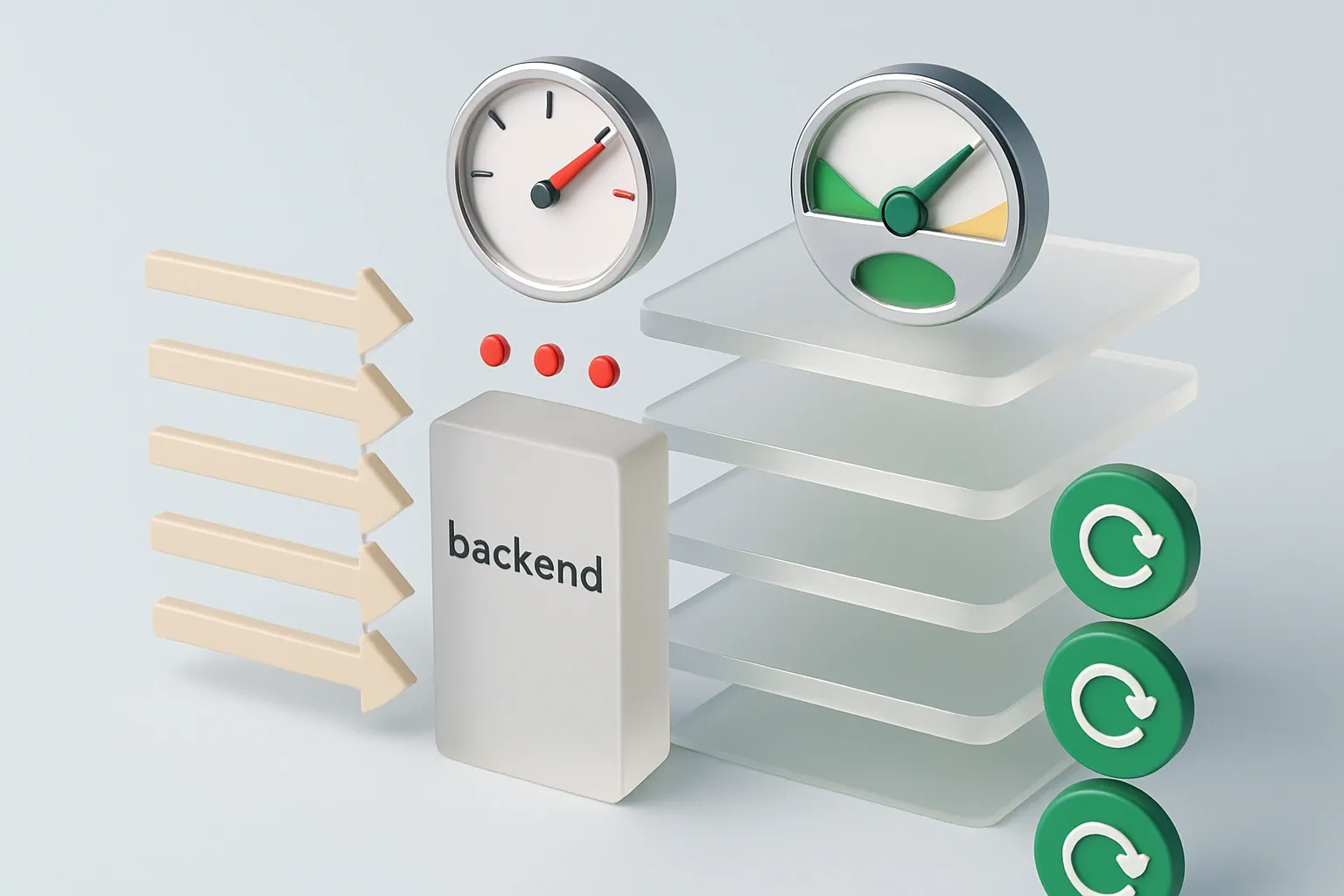
Imagine your newly launched app is dealing with traffic well. Pages are loading quickly, and the user experience is on point. But as your visitor numbers increase, your pages slow down significantly. At first, the slowdown coincides with short-term traffic peaks. But as downloads grow, the degraded performance becomes permanent.
So, what’s happening? Well, in our experience, it’s usually because your core platform is sending every request directly to your backend. Think of it as a chef making EVERY dish from scratch — without any prepped ingredients.
The busier your platform is, the longer the wait — just like in a professional kitchen. While prepping is the answer in kitchens, caching is the answer in software application development.
Caching involves saving copies of the most popular, regularly accessed content. The initial requests fetch and save those copies so you can serve them to your users much faster.
Layered caching places these helpers across multiple levels of your application.
Did you know that just a one-second delay in the page-loading process can reduce conversions by around 7% ? For a business with a turnover of $50,000 per day, that’s $1 million in lost revenue over the course of the year.
Unlock Sustainable Growth with the Help of a Proven Application Development Team
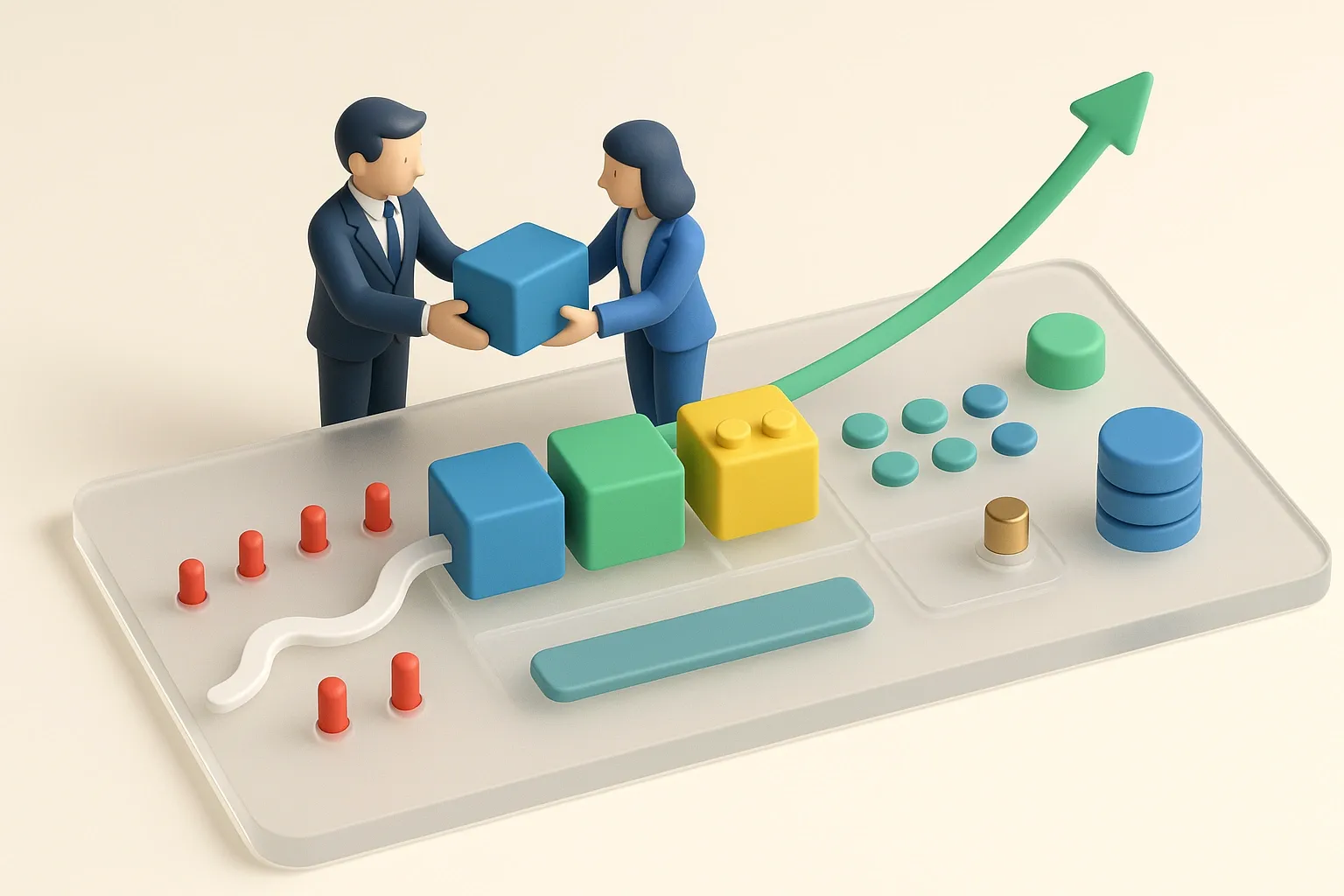
Let’s get the bad news out of the way: These five bottlenecks may already be lying dormant in your existing digital product. And that’s kind of the point. They don’t rear their ugly heads until you start to scale .
But here’s the good news: A strategic web and mobile app development partner can bake scalability into the early version of your platform. Done rightly, this can future-proof your product for long-term growth and profitability.
To get started, contact DigiNeat today to arrange a free strategy sessionм with our experienced application developers.