


Building Secure FinTech Platforms Without Slowing Down Product Innovation
The consequences of giving fintech security and regulatory compliance a backseat aren’t just serious — they’re disastrous. A huge data breach, for example, could leave you with an eyewatering fine. But that could be dwarfed by the cost of lost customer trust.
Did you know that the global average cost of a data breach is now well in excess of $4 million ? Believe it or not, this figure was down 9% on the previous year, thanks to fintech development companies such as DigiNeat building compliance into projects from the outset.
Of course, security shouldn’t come at the expense of innovation. Let’s take a look at why.
Let’s Bust the Security vs. Speed Myth in Fintech Development Once and For All
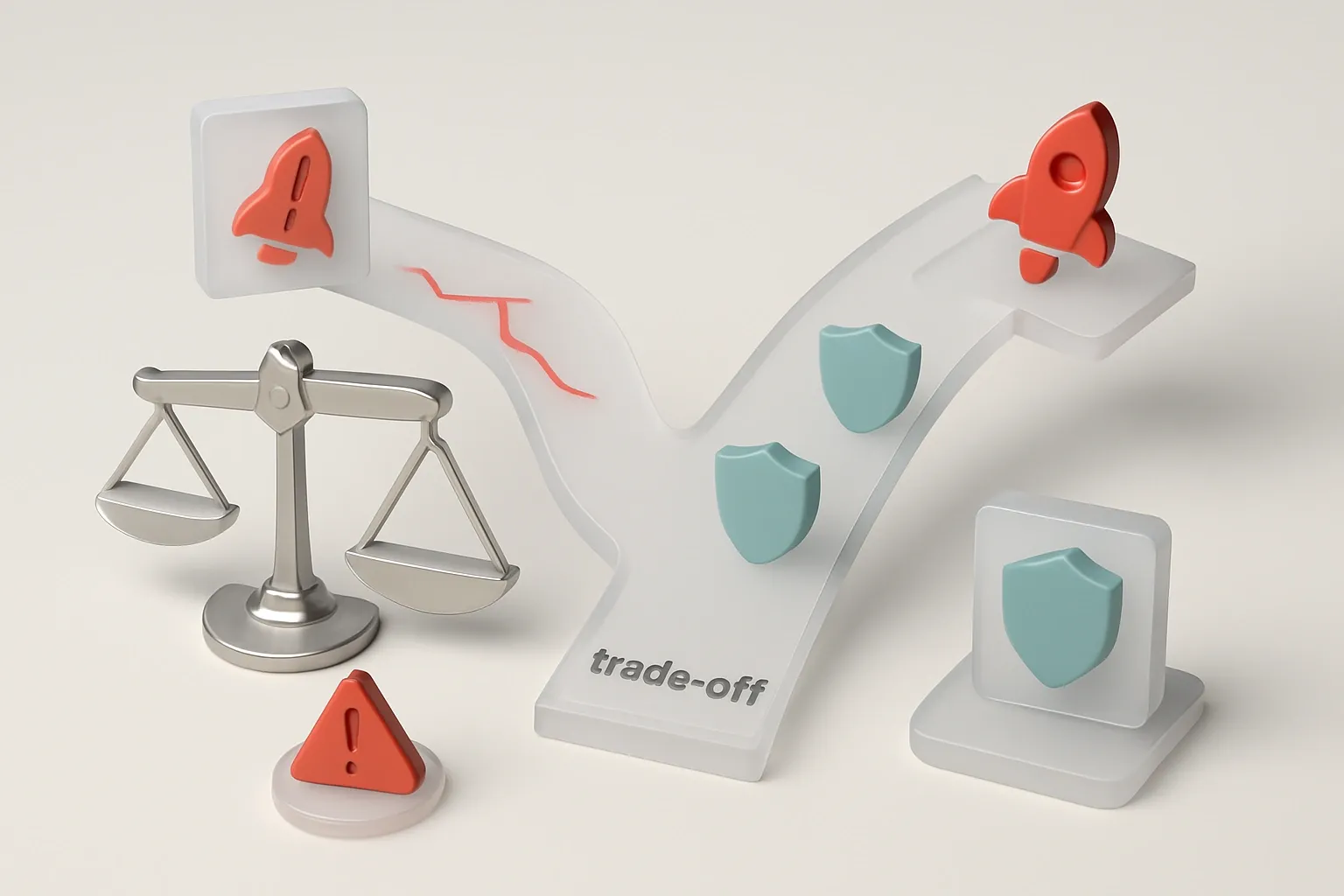
This is a false choice. But we get it. Fintech founders want to launch as quickly as possible to win the market. Hitting the brakes to focus on security and compliance may jeopardize the chances of reaching the market first. It’s a common dilemma.
Regulatory issues can feel like roadblocks that kill speed and momentum. But this is a myth. And if you buy into it, it could be a costly one.
Rushing to market without built-in security and compliance measures could leave your fintech software development project in tatters when you start scaling. Data breaches and regulatory issues can lead to hefty fines, lost trust, and stunted growth. The costs of these issues are usually far greater than taking the time to include security measures from the outset.
By turning to professional fintech application development services , you get the “secure-by-design” approach from the moment your initial strategy session begins.
If you’re thinking about cutting corners in the pursuit of a speedy release, think about it this way. You’re not slowing down the software development process by focusing on security and compliance; you’re speeding up the process of delivering safe and compliant releases.
Enhanced security leads to faster, more confident updates. Customers grow to trust your product. And trust is a prerequisite for loyalty and growth.
You don't have to pick between speed and security. You can have it all with the right approach — and partners.
The Secure-by-Design Approach
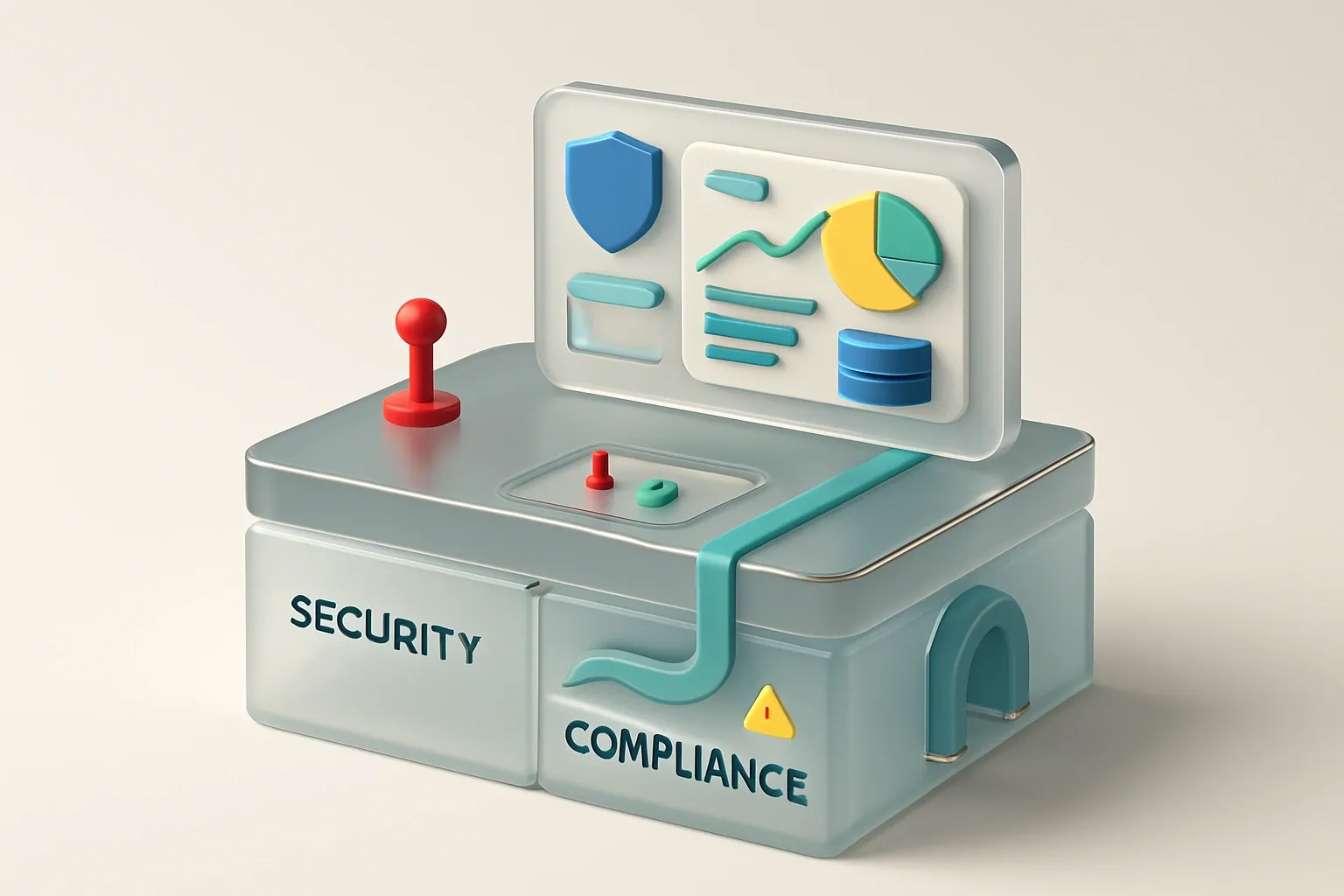
Secure-by-design means treating security as a core part of the product from the outset. The best fintech app developers don’t add security and compliance measures later — they integrate them into the product right from the beginning of the project.
What do builders do when they construct a home? They lay the foundations and build from the ground up. Our foundations as fintech development professionals are security and compliance measures.
America’s Cybersecurity & Infrastructure Security Agency (CISA) outlines the key Secure-by-Design principles that many software development teams around the world adhere to. These principles include:
- Taking full ownership of security outcomes, as well as security measures
- Leading from the top on all matters related to fintech security
- Embracing the concept of radical transparency — errors are owned, and accountability is shared by all
This approach helps fintech app software development teams to reduce exploitable flaws right from the beginning of the process. As a result, products become inherently safe and compliant without slowing down innovation.
If you own an old car, yes, you can have ABS installed retroactively. But it will never be as safe and effective as it would have been if it had been installed during the production process. The same principle applies to custom fintech software development services.
Modular Architecture Makes Security and Speed Work in Harmony
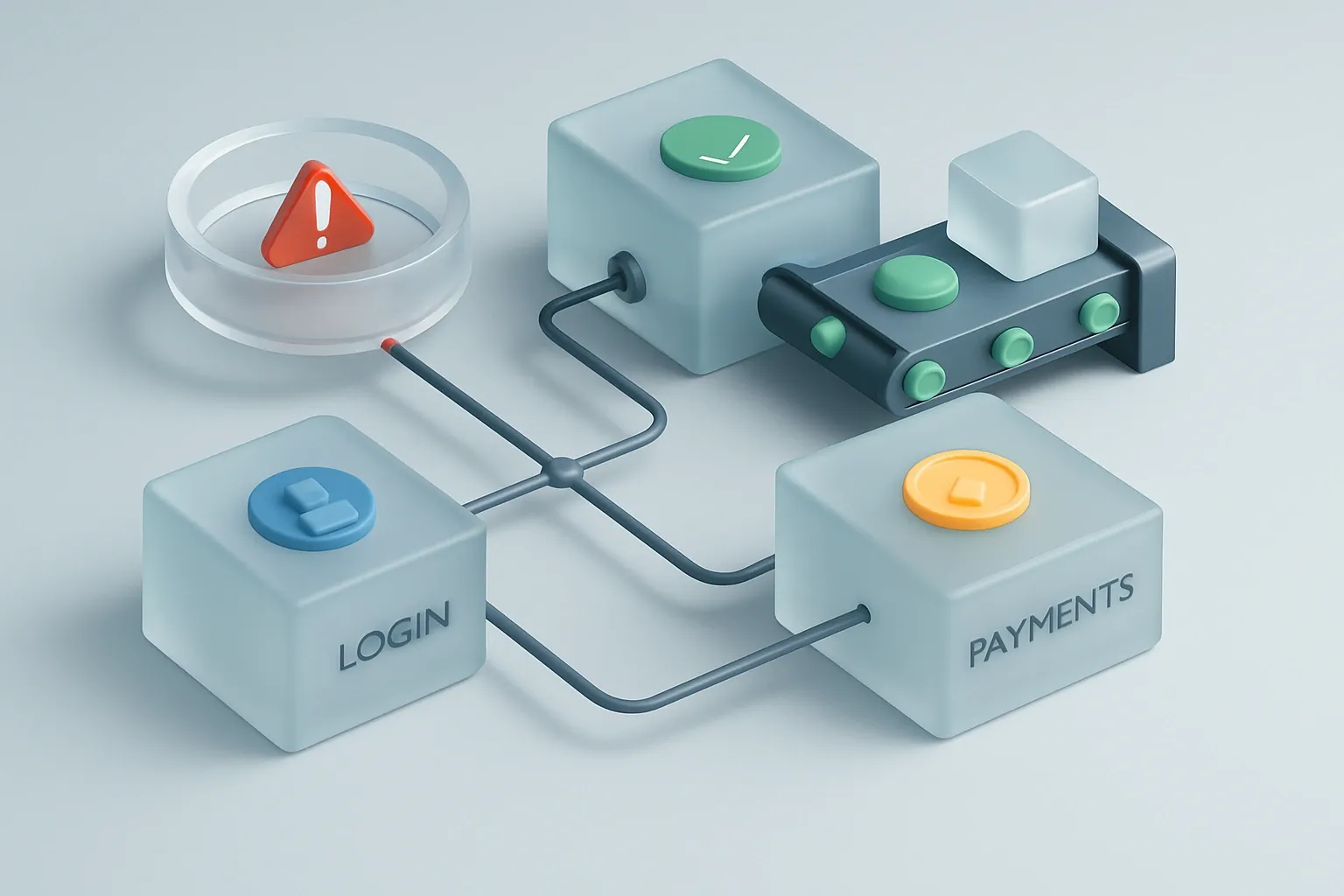
The world’s most successful fintech app development companies turn to modular architecture in search of security-by-design success. This breaks a fintech platform down into independent “building blocks.” Each block performs a specific function, such as user logins, payments, fraud detection, and core functionality.
Here at DigiNeat, we favor modular architecture in software development for fintech for a number of reasons:
Isolated Security
When one block has a vulnerability, we only need to fix or secure that block. We don’t have to take the entire platform down to perform the necessary work. Downtime is minimized, the customer experience remains largely unaffected, and maintenance costs are suppressed.
Faster, Safer updates
When you need to update your fintech app, you don’t have to pause it and disrupt your customers’ experience. We test and release improvements block by block. This means new features and security patches go live in hours, rather than weeks.
Seamless Compliance
The only predictable thing about regulatory compliance in finance is its unpredictability. Regulations evolve. Legislation emerges. All the time. Why pause your entire fintech platform to adapt to these changes when you can simply update only the affected blocks?
Enhanced Resilience
An issue with a particular part of your fintech app won’t affect your entire platform’s performance. With modular architecture, we can fix the affected blocks while keeping users happy and transactions flowing. The modular approach reduces the overall downtime of applications considerably.
Nearly half of all software developers are now taking the modular architecture approach to fintech software development by deploying a series of microservices. And there’s a reason for this: It’s delivering results!
How to Avoid Expensive Security Retrofits

Adding security and compliance measures after launch is one of the most common mistakes made by fintech developers and founders. It involves ripping apart code, re-testing everything, delaying new features, and disrupting user experience.
All the security and compliance issues you dodged during the initial development phase will still be there when you begin to scale — but they’ll be even more difficult, time-consuming, and expensive to resolve.
It’s not just fintech software development teams saying this. NASA research shows that bugs found in the initial design phase cost a fraction to resolve compared to those discovered in integration, expansion, and testing.
The three steps to take to avoid security retrofits are:
- Automate security checks
- Perform early vulnerability scans
- Make security an inherent part of every task to avoid expensive security retrofits.
Outcome-based milestones break development into clear, verifiable checkpoints tied to results. So, rather than dealing with large-scale refactoring tasks, you make a series of incremental changes and improvements as you go — a much cheaper and more effective way to build successful fintech platforms.
Security and Speed Go Hand in Hand with the Fintech Software Development Partners at Your Side
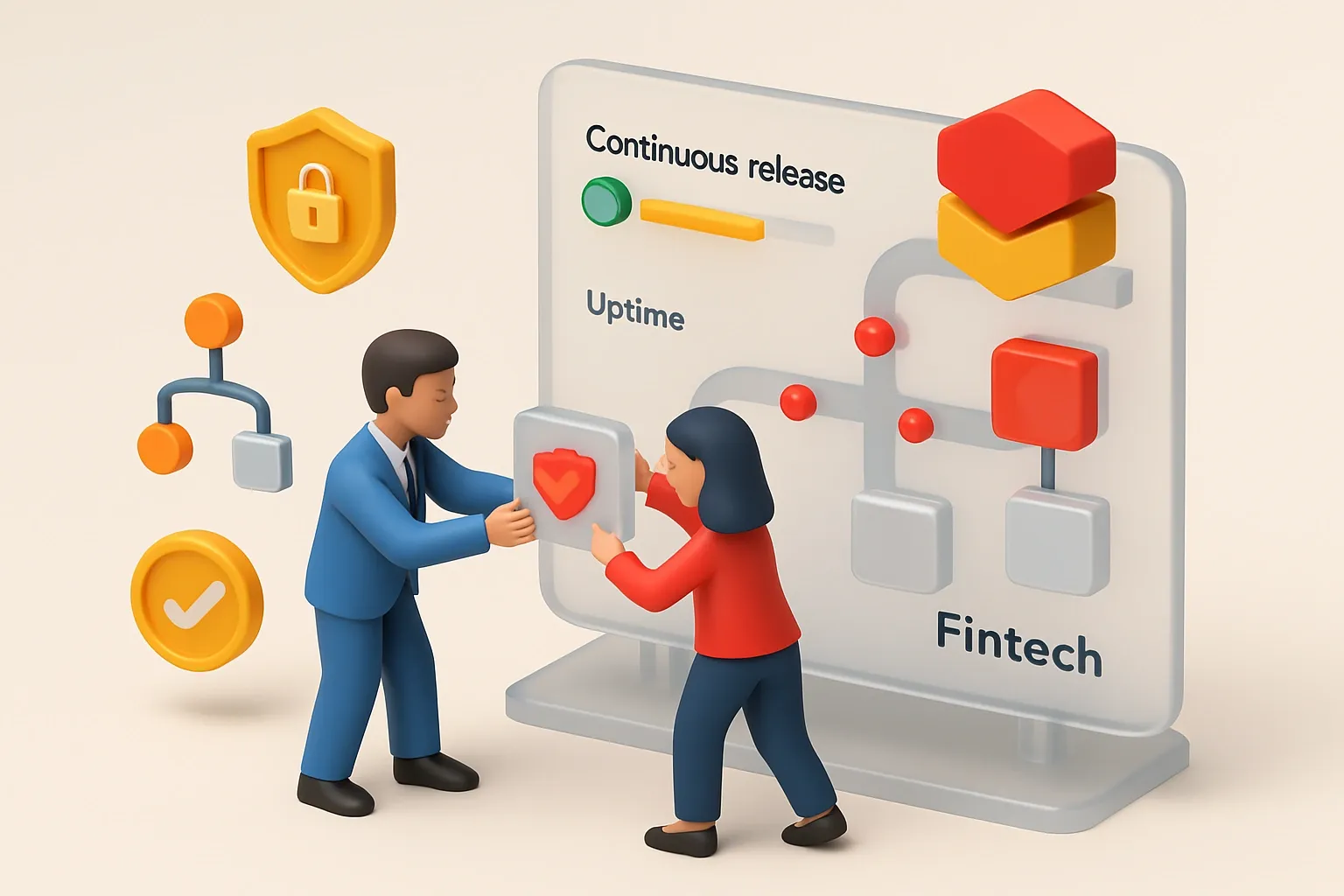
Security and speed don’t have to compete. When they’re built correctly from the start, they strengthen each other. By embracing secure-by-design principles, choosing modular architecture, and using outcome-based milestones to catch issues early, a fintech software development team can work quickly, make changes adeptly, and scale with relative ease.
Think of DigiNeat as your strategic fintech app development partners. Schedule a free strategy call today, and let’s create something extraordinary together.