

Customer Data Security: 10 Checks Every Vendor Must Pass
Dealing with customers means dealing with their data. And in most countries, there are stringent rules governing this information.
Customer data security is part and parcel of both software development and everyday business operations. Get things wrong, and the potential consequences can be catastrophic.
You could have the best internal systems in the world. But if your vendors and associated third parties don’t take the same approach, your efforts and investments could be for nothing.
With cyberattacks and data breaches on the rise, this is the perfect time to outline the 10 checks we perform on vendors to ensure their customer data security measures are fit for purpose.
1. Check Security Certifications and Frameworks
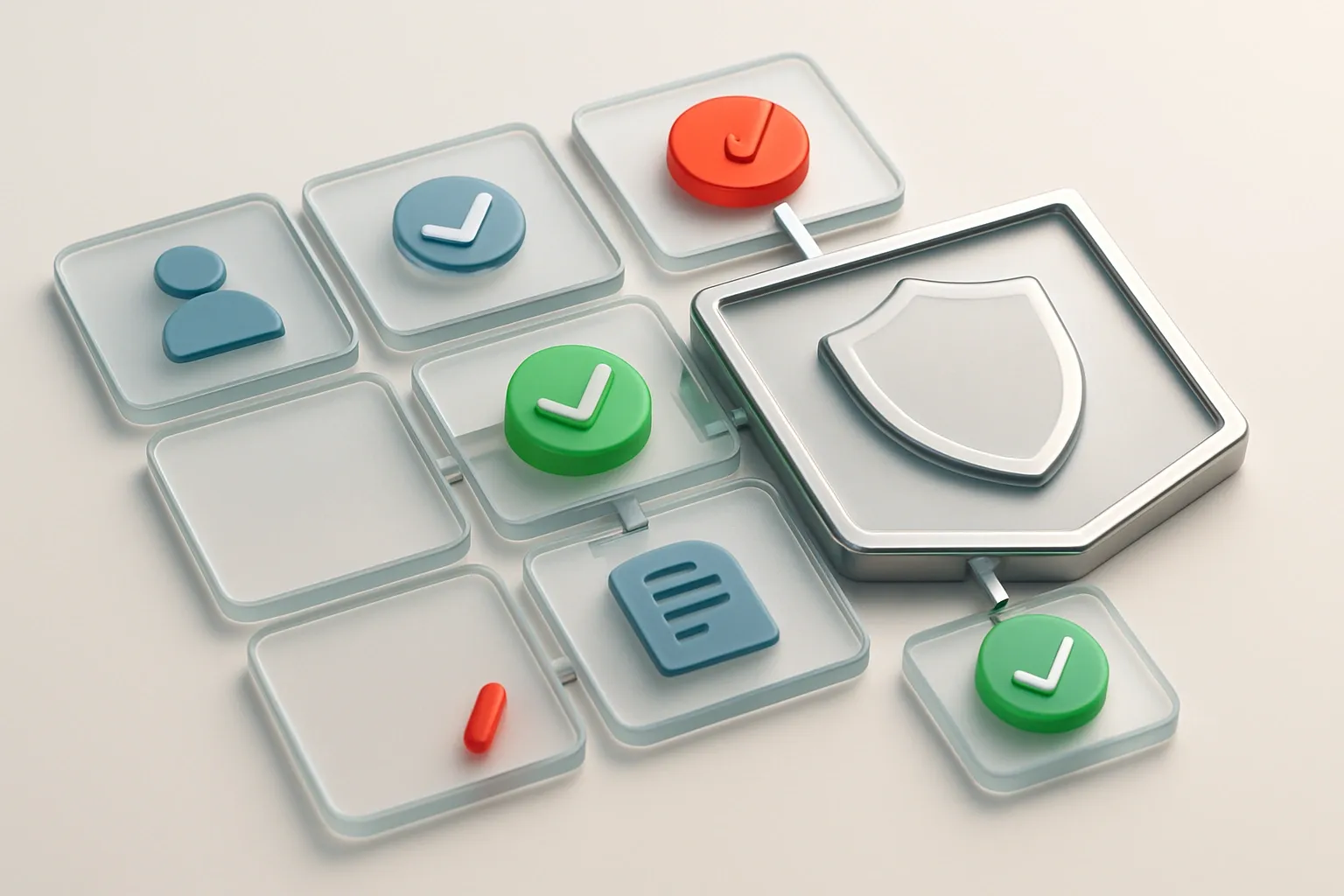
Businesses with comprehensive third-party data breach risk programs are able to eliminate and mitigate risks much faster and more cheaply than those without them.
It’s not enough to take vendors at their word. Ask for proof of active data security certifications, such as ISO 27001, SOC Type II, or evidence of compliance with NIST CSF. Structured controls — along with evidence they’re being implemented — are always better than signals of intent.
2. Check the Vendor’s Data Encryption Measures
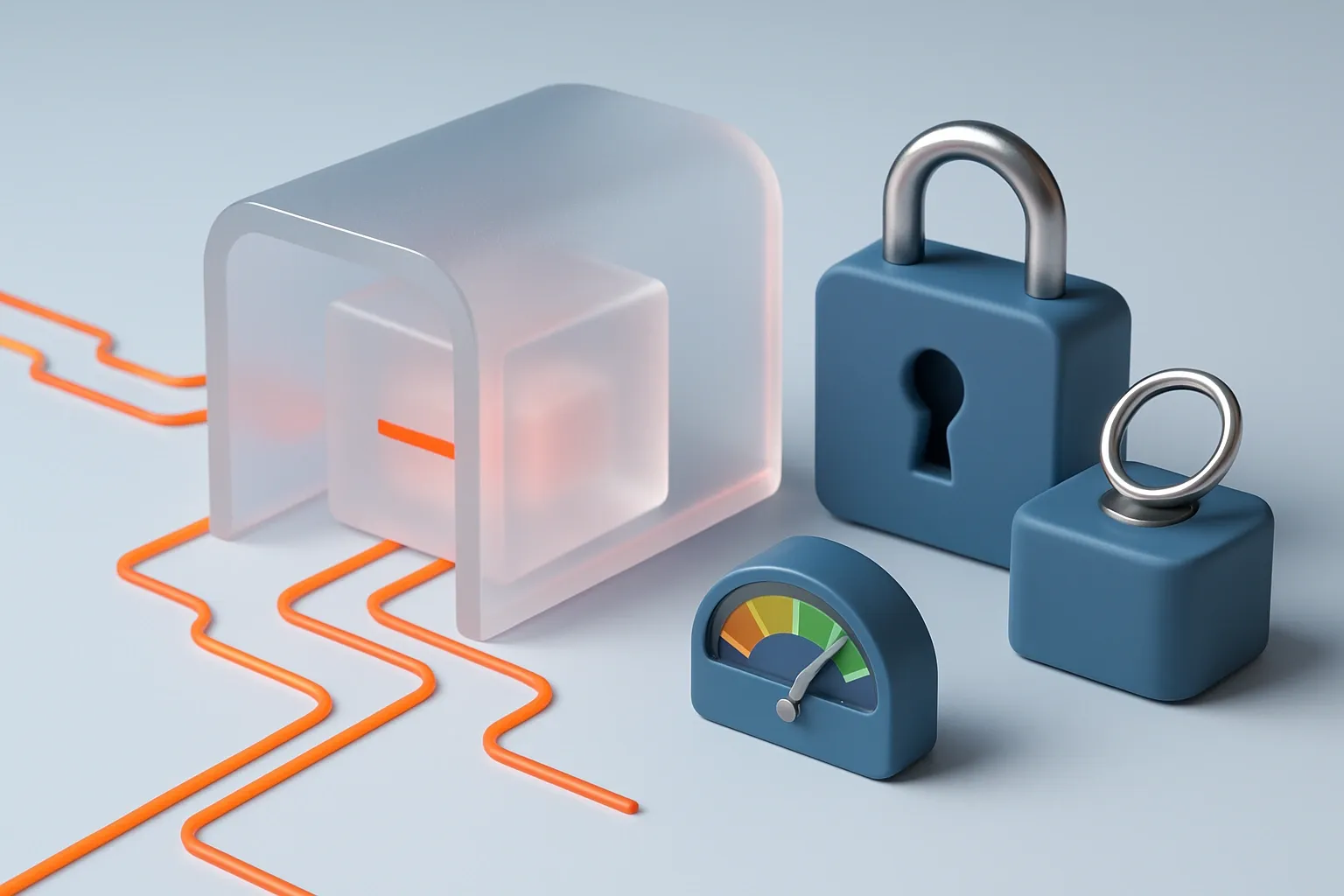
Your customer data might be encrypted, but that won’t count for much if your third-party collaborators don’t take the same approach. Ask for evidence that the data is being encrypted using strong international standards such as AES-256 at rest and TLS 1.3+ in transit.
3. Review Access Controls

Does the vendor enforce role-based access control (RBAC)? This ensures that people with access to the system only get the permissions they need to perform their roles. Blanket admin rights increase the risk of data breaches.
To take things to the next level, ask the vendor to require multifactor authentication across all functions. And if possible, push for the use of just-in-time access that expires after use.
4. Ensure There’s an Incident Response Plan in Place — and That It’s Tested Regularly

Certifications and monitoring tools are all well and good, but they won’t make a significant difference to customer data security without an incident response plan. Once that’s in place, it must be rigorously tested on a regular basis.
Insist that your vendors inform your organization of any potential data breaches or threats within 72 hours of detection. The sooner they do this, the sooner you can fulfil your obligations to your customers.
5. Assess the Vendor’s Data Handling Practices

Your customer data security measures are only ever as good as the worst of your vendors. That’s why it’s vital to ensure they all handle customer data in strict accordance with best practices and local legislation.
Confirm that there are clear rules in place on how, when, and why customer data is stored. How long is it kept? And what is the procedure for data deletion? Poor data storage practices usually worsen the effects of breaches , so always be prepared for the worst.
6. Check That Continuous Monitoring Is in Place
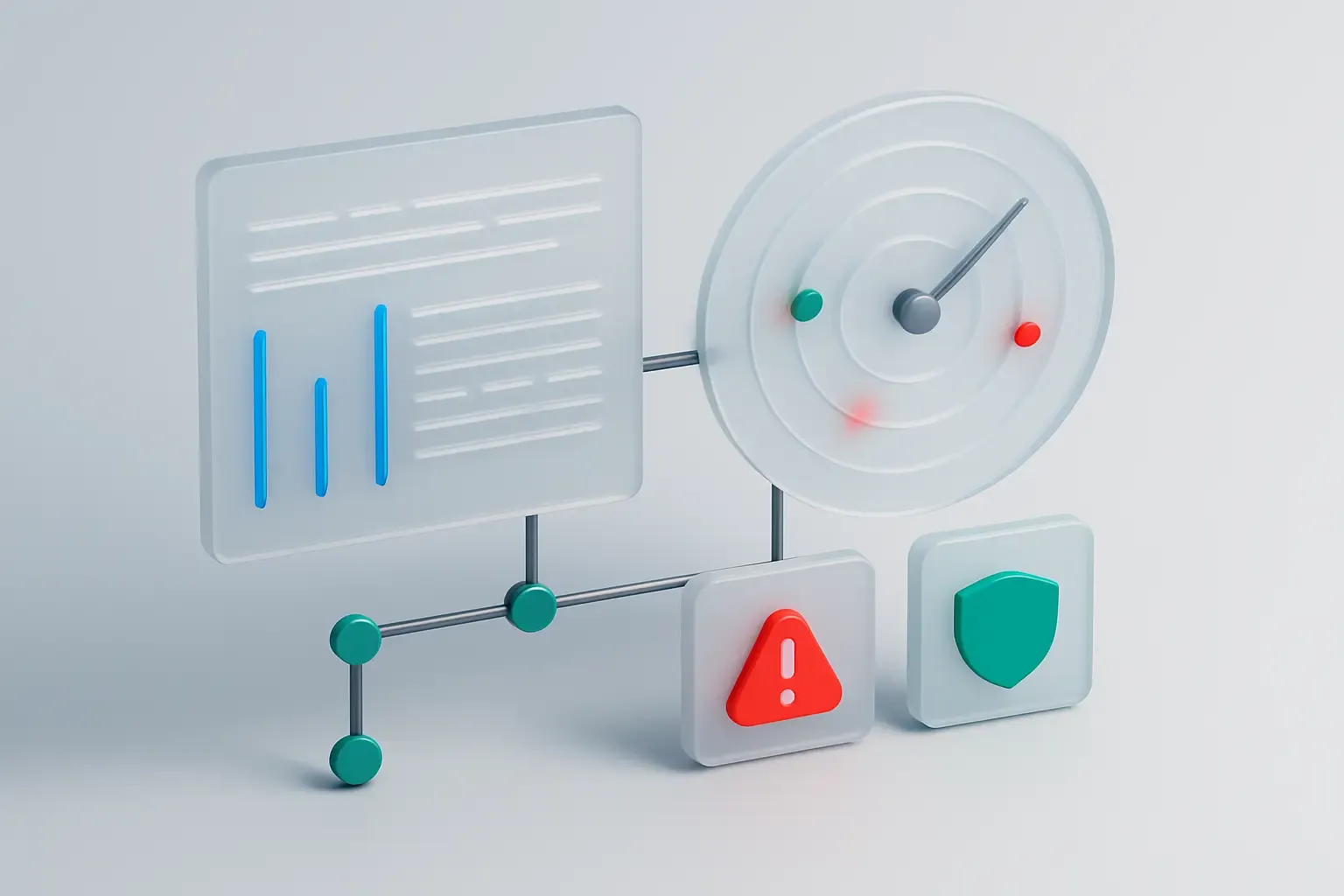
A proactive approach to customer data security is essential. Flaws in vendor processes will directly impact your business in the event of a serious breach. That’s why you need assurances that a proactive system of monitoring is in place.
Look for real-time logging, anomaly detection, and regular vulnerability scanning — not just annual scans. Set up a system that provides this information on a regular basis.
7. Evaluate the Data Security Practices of Sub-Contractors
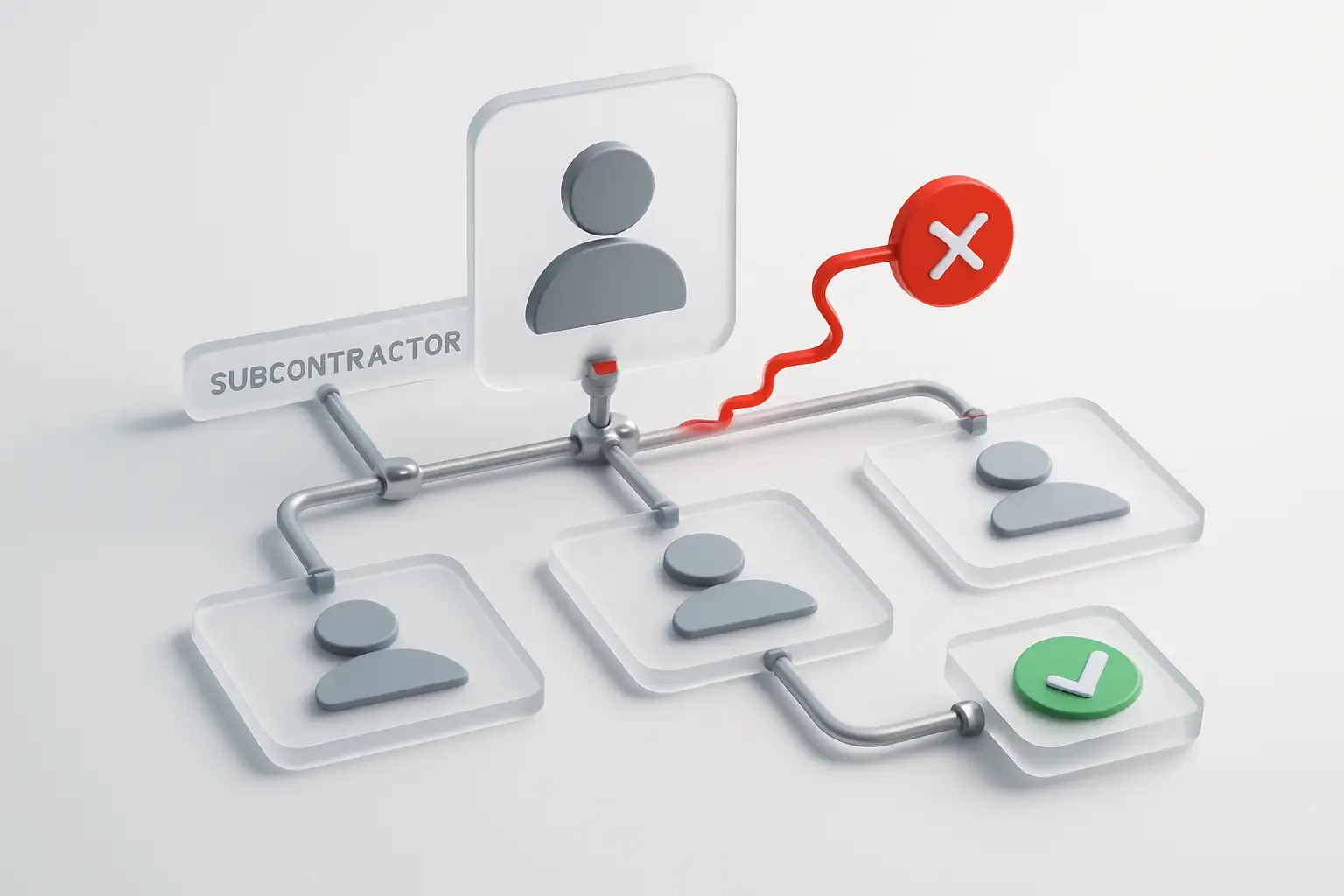
We like to call it fourth-party risk management. If your vendors use subcontractors to fulfil their obligations, you need assurances that those fourth parties have robust and comprehensive data protection procedures in place.
Ask direct questions about how your vendor oversees their fourth-party collaborators. Who accesses data? Why? Is there an incident response plan in place? And what’s the procedure for reporting breaches?
8. Verify That Robust Penetration Testing Is in Place

Make sure your vendors are putting their data protection systems through their paces just like your organization does. Penetration testing prevents the exploitation of known weaknesses, so this is an essential part of any third-party data protection arrangement.
But don’t take vendors at their word. There’s just too much at stake. Ask for proof of independent penetrating testing, as well as evidence that remedial action was taken where necessary.
9. Verify Compliance with Local Regulations Such as GDPR and CCPA

Customer data protection laws are there to protect consumers, but adhering to them can also protect businesses from reputational damage and civil action. Unfortunately, your data security compliance is only as good as the worst of your vendors.
Depending on the jurisdiction, look for documented evidence that every third party adheres to local legislation. If there are gaps, your organization could end up paying the price in the form of fines.
10. Check That the Ongoing Monitoring and Communication Processes Are Fit for Purpose
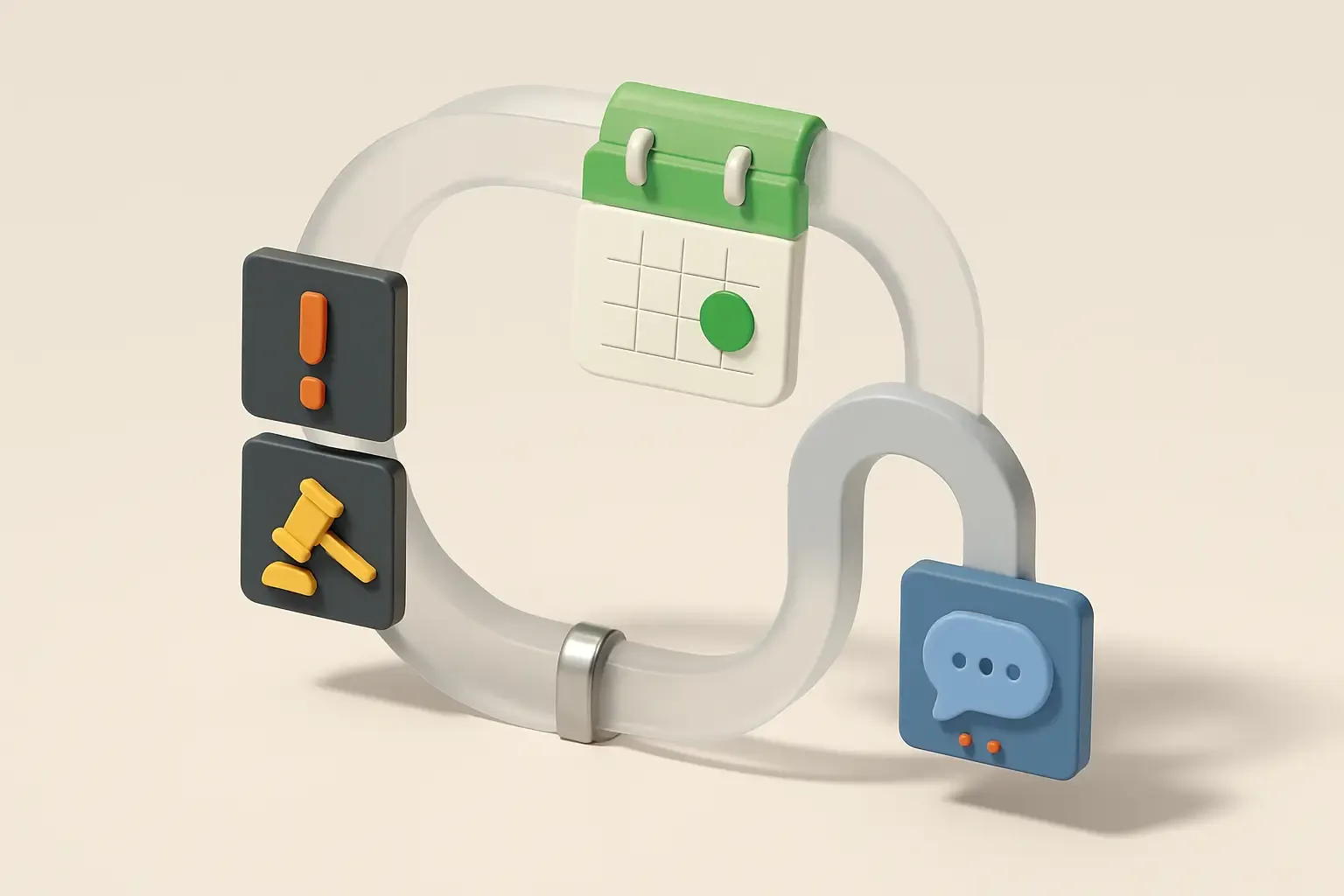
Performing third-party data protection checks is a great start, but it can never be the end. Put in place a robust process for ensuring the necessary measures are in place at all times. Annual reviews, assigning trigger events, and implementing risk-tiered monitoring can all help.
Protecting Customer Data Means Treating Third-Parties as Part of Your Ecosystem

Stop thinking of your vendors as external third parties. When it comes to data protection in web and software development , we integrate checks and processes from the outset. This is particularly important in high-risk sectors such as banking and fintech.
Need expert help with customer data security issues? Want a robust approach to cybersecurity that protects your organization’s balance sheet and reputation? Contact DigiNeat today to arrange a free strategy session.
Like what you’ve read? Like, share, and follow DigiNeat across our socials for more insights, news, and advice.