


Designing Trust in FinTech: UX Decisions That Reduce Churn and Support Compliance
Yes, consumers want speed and functionality. But let’s not forget that they’re also handing over their most sensitive data and hard-earned money. They’re making split-second decisions. Without inherent trust, many of those consumers will look elsewhere. And let’s face it: there are many options to choose from these days.
Something is happening to trust in the fintech sector. According to Mastercard, 76% of global consumers are more concerned about cybersecurity than they were two years ago . This increasing wariness is leading to increased average churn rates.
But trust starts with the UX decisions fintech app developers make. And that’s what we’re about to dive into. How can the right UX decisions reduce churn and support regulatory compliance? We’re about to find out!
Trust Signals Can Make or Break Financial Platforms
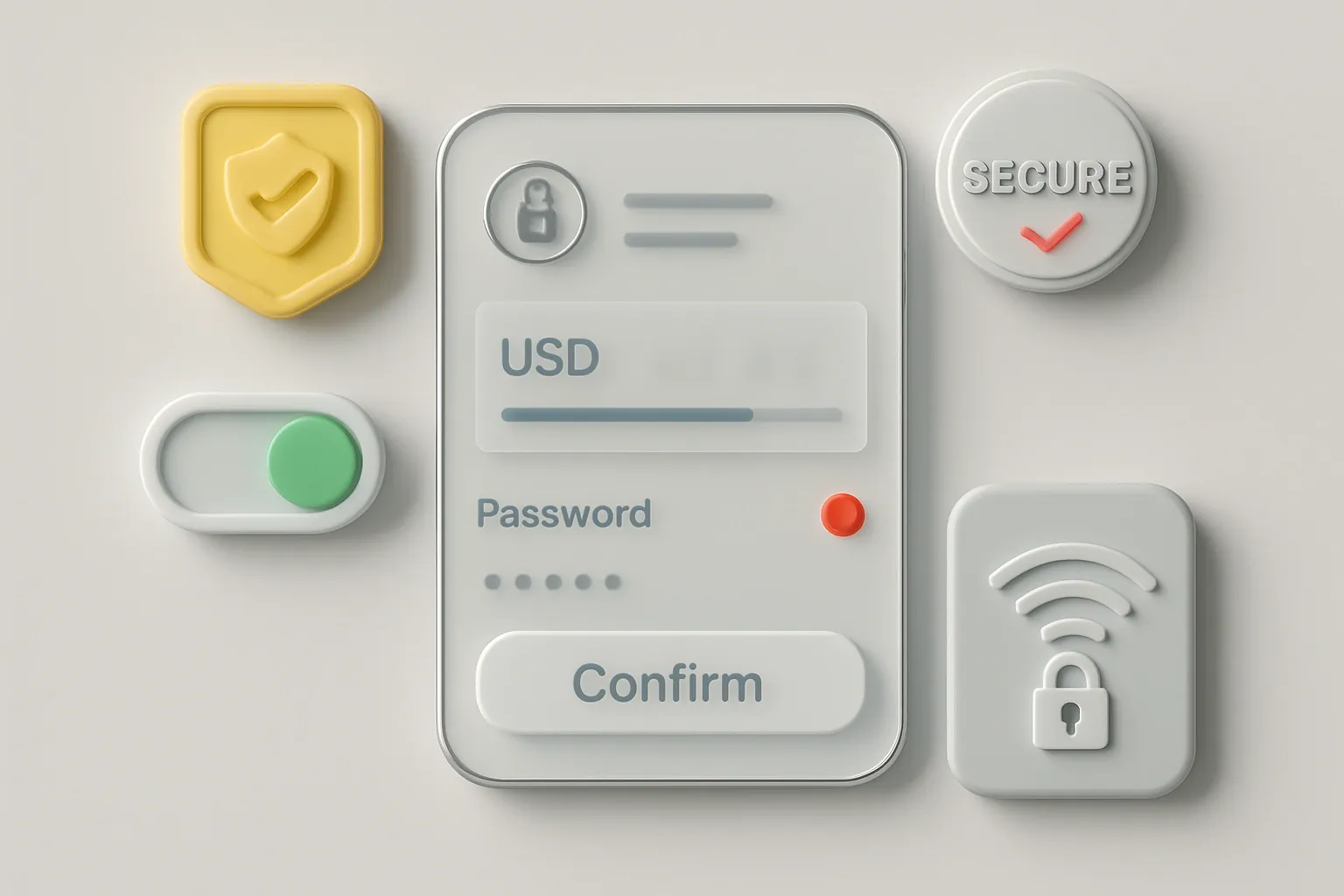
Any successful fintech software developer will tell you that trust signals have the potential to make or break a fintech platform. The average user first arrives at a new application with suspicion and skepticism. But the right trust signals — delivered at exactly the right times — can assuage those concerns.
We’re not talking about anything too revolutionary here. A prominent padlock icon in the right place, HTTPS confirmation, and “transfer encrypted” messages all combine to develop trust.
Biometric logins and multifactor authentication are also signs that an application can be trusted. Combine all these things with progress bars, consistent layouts, clean interfaces, and transparent explanations, and you should be well on the way to earning the trust of your users.
A good fintech software engineer knows that first impressions are everything when it comes to trust. Research shows that users can form their initial opinion on an application’s visual appeal within just 50 milliseconds . There’s no room for error. If your UX isn’t on point, your churn rates could soar.
Common UX Mistakes That Can Damage Trust and Cause Churn

Ideas and concepts are great, but they don’t guarantee the commercial success of an application — any successful fintech software development company will tell you that.
Even the smallest flaws in your design can lead to frustration and doubt among users. Remember: this is an industry in which switching providers takes just a few taps. When doing so seems easier than persevering with substandard UX, churn soars.
One of the worst offenders in this regard? Overcomplicated onboarding processes. When you overload users with information, batter them with jargon, and send mixed messages, you start to break down trust and precipitate churn.
Fintech app users don’t want repetitive tasks, excessive identity verification processes, or a lack of reassurance. They want a frictionless experience that leaves them believing that their data and money are in the best possible hands.
The data tells you everything you need to know about the relationship between bad UX and churn. The global average for onboarding abandonment among digital banks can reach up to 63% when the onboarding process is slow, confusing, or stressful.
Another potential UX disaster involves poorly handled Know Your Customer (KYC) and Anti-Money Laundering (AML) checks. Do the processes drag on? Do they feel overly intrusive? Is there a lack of context?
Up to 70% of users drop out of KYC and AML checks when the verification process feels slow or complicated . And once this happens, it’s very easy to lose users for good. Trust is broken. And in this climate, there are plenty of alternative fintech platforms waiting to sweep in.
Walking the Fine Line Between Usability and Compliance

The average fintech app development company has a rough ride these days. The compliance landscape has never been more complex or diverse. When you factor in issues such as KYC, AML, and GDPR, it’s a miracle that any developer can squeeze in all of these requirements while delivering on usability. But they do. Every day.
Compliance shouldn’t feel like punishment. It shouldn’t feel like your application is shining the light of suspicion on the user. Get the balance right, and you don’t just avoid churn; you reinforce trust, boost retention rates, and develop your brand’s reputation.
Smart fintech software developers minimize friction and deliver on compliance obligations through good design. For example, the use of progressive disclosure reveals information and requirements only when necessary. Just-in-time explanations keep things clear, concise, and contextual. Automated checks and other forms of backend security keep the user focused on the job at hand.
Automated KYC and simple verification processes reduce churn by up to 50% . Why? Because they reduce friction while enabling faster compliance adherence. But when the balance is off, regulatory scrutiny is often the next issue to deal with.
We like to call this compliance by design. Progressive disclosure, just-in-time explanations, invisible backend security, and risk-based approaches all combine to create a secure, compliant, easy-to-use fintech application. That’s the recipe for long-term commercial success.
The Fintech Goldrush Can Be Won by Using UX as a Route to Retention and Growth

This is a golden era for fintech. That’s a double-edged sword for fintech app developers, however. Yes, there’s a huge demand for effective platforms and tools, but there’s never been as much choice for consumers.
One way to give your platform a commercial edge is through your UX. Developing trust through UX boosts engagement, repeat usage, and perceived value. Nail it, and you’re looking at long-term organic growth.
Intuitive, easy-to-use, and trustworthy fintech apps reduce customer churn by up to 14%. Perhaps more interestingly, these traits increase transaction volumes by up to 10%. Good UX really does pay the bills!
If you’re willing and able to invest in good UX, you can amplify these results further. For example, regular UX testing and iterative improvements can increase revenues by 10.8% according to research. And it’s all down to higher customer satisfaction rates and sustained engagement.
A Strategic Partnership with a Fintech Software Developer Is the Key to UX Success

A vendor agrees on a scope and delivers the product. A strategic partner works with you to ensure the long-term success of your digital product. That’s exactly what DigiNeat does.
We combine fintech expertise with user-centric UX and compliance by design to engineer products that minimize churn and maximize engagement.
To create a fintech application that walks the fine line between trust, usability, and regulatory compliance, contact our team of fintech software developers today to arrange an initial strategy session.