


Full Automation Still Delivering Failures? 5 Hidden Gaps in Your Tech Stack
But hidden execution gaps in your tech stack could be causing persistent failures.
On paper, your stack is running smoothly. But the failures keep coming. Silent degradations develop. Incidents take your team of web developers by surprise. Reliability metrics start to drop.
In our experience, these failures are often down to automation without accountability, monitoring, observation, and ownership.
More automation doesn’t necessarily translate to more stability. Let’s take a quick look at five potential issues at play — so you and your web developers can address them without delay.
1. End-to-End Leadership Is Lacking

When automation ramps up, responsibility and accountability often take a dive. Who has to jump in when an automated rollback doesn’t trigger? Who owns monitoring and observability?
When there’s a lack of leadership and ownership, fingers get pointed. Blame gets thrown around. And the platform suffers due to delayed resolutions and repeated incidents.
Established organizations are 66% more likely to respond effectively to incidents through automated rollbacks and clearly defined processes that bake in accountability.
2. Automation Isn’t Supervised and Owned
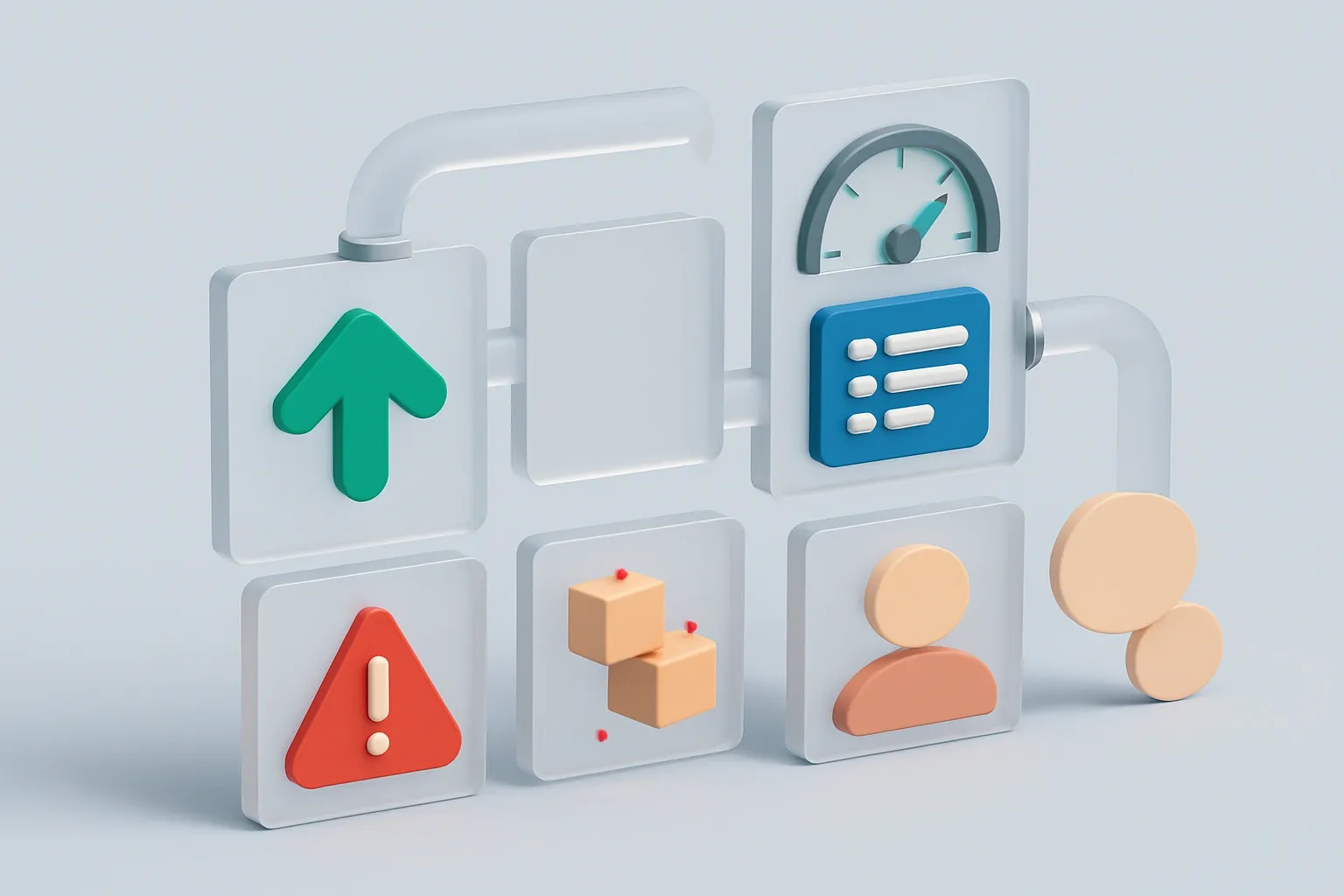
Updates and server changes are automated. And that’s great news. But who checks the automation process itself? That’s a question good web and app developers answer and act upon early in the development process.
Automatic testing can identify issues, but not always. Server setups can quietly change. Limits can cause partial breaks. While automation can transform digital products, it’s not infallible. Someone should be assigned the task of monitoring the processes and instigating fixes when they’re needed.
When automation failures start developing, they’re often go unnoticed at first. App developers only hear about them when users report slowdowns or crashes. According to one report, teams lose an average of around seven hours per week dealing with this issue.
These quiet failures make everything look okay until real users notice slowdowns or crashes. Many teams lose about 7 hours a week dealing with these inefficient automatic steps
3. Information Siloes Are Hiding Potential Issues

Automation tools create records of what is happening, but if those records aren’t connected, identifying and mitigating the issue can become a difficult task.
One report might suggest success while another might signify a small error. It’s not until you view the process in full — by accessing all the relevant reports — that you realise something isn’t right.
This happens more in complicated setups, where small issues hurt speed without raising alerts. Teams that do poorly have change failure rates over 30% , while top teams keep it under 5% thanks to better data management practices.
4. There Are Too Many Tools Without a Plan or Rules

Automation is good. But too much without a plan and a clear set of rules can do more harm than good. Keeping track of changes, testing code, and practicing fixes can prevent the accumulation of small errors over time.
Adding more and more automation tools to your digital product might seem like the best way to blow your competition out of the water. And while it can be, it’s important to remember that every new process can have a knock-on effect on others.
In our experience, automation projects often fail because the primary focus is on adding more, rather than improving the overall experience. Perhaps that’s why 70% of these projects don’t achieve their initial objectives.
5. Web Developers Aren’t Learning from Incidents

Ask any software developer, and they’ll tell you that introducing automation tools to established digital products often leads to issues. Some issues are trivial, while others lead to significant disruption. At least that’s what happens when there aren’t rules and a plan in place!
At DigiNeat, we like to use such incidents as learning exercises. Once we’ve dealt with the issues, we perform a full review. How can the problems be prevented from happening again? Can the monitoring, mitigation, and resolution processes be improved? Were the alerts clear and fully communicated? Is automation monitoring up to scratch?
Every automation tool and process should be assigned an owner. This person, or group, should take full responsibility for the processes involved. Connect all the relevant information in one place, and make it easily accessible to all. And set a simple set of rules to ensure everyone performs their role in full.
Learn today, and you can prevent future software projects from going over budget.
Fill the Gaps in Your Tech Stack and Revolutionize Your Use of Automation Tools
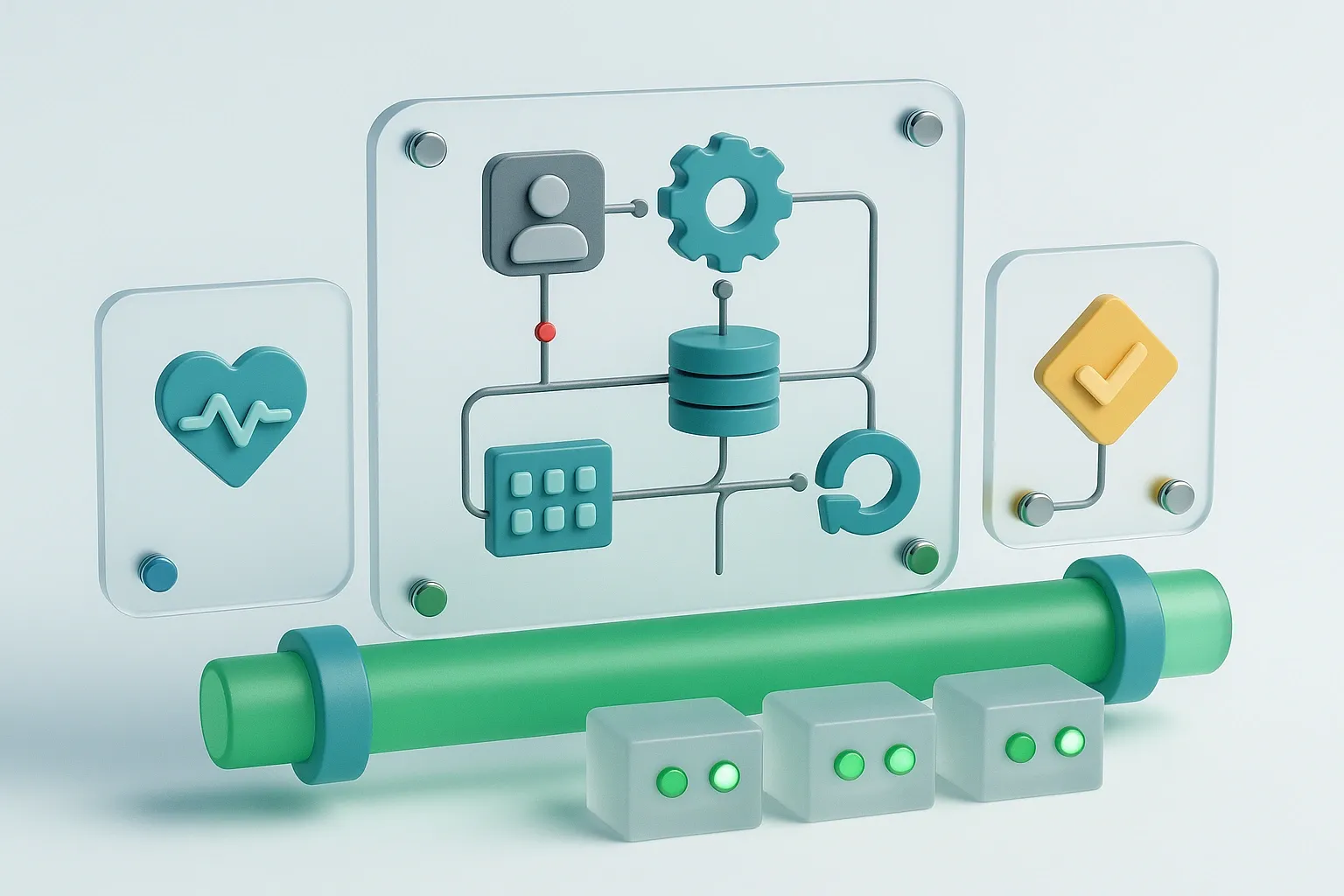
As an established web development company, we work with CTOs and product leaders to find and fix these kinds of gaps in their systems. Our advisory services help build clear, watchful, and strong setups that make automation a real strength.
Contact us today to arrange a free strategy session. With us as your partners, you can utilize the latest automation tools to their fullest.