
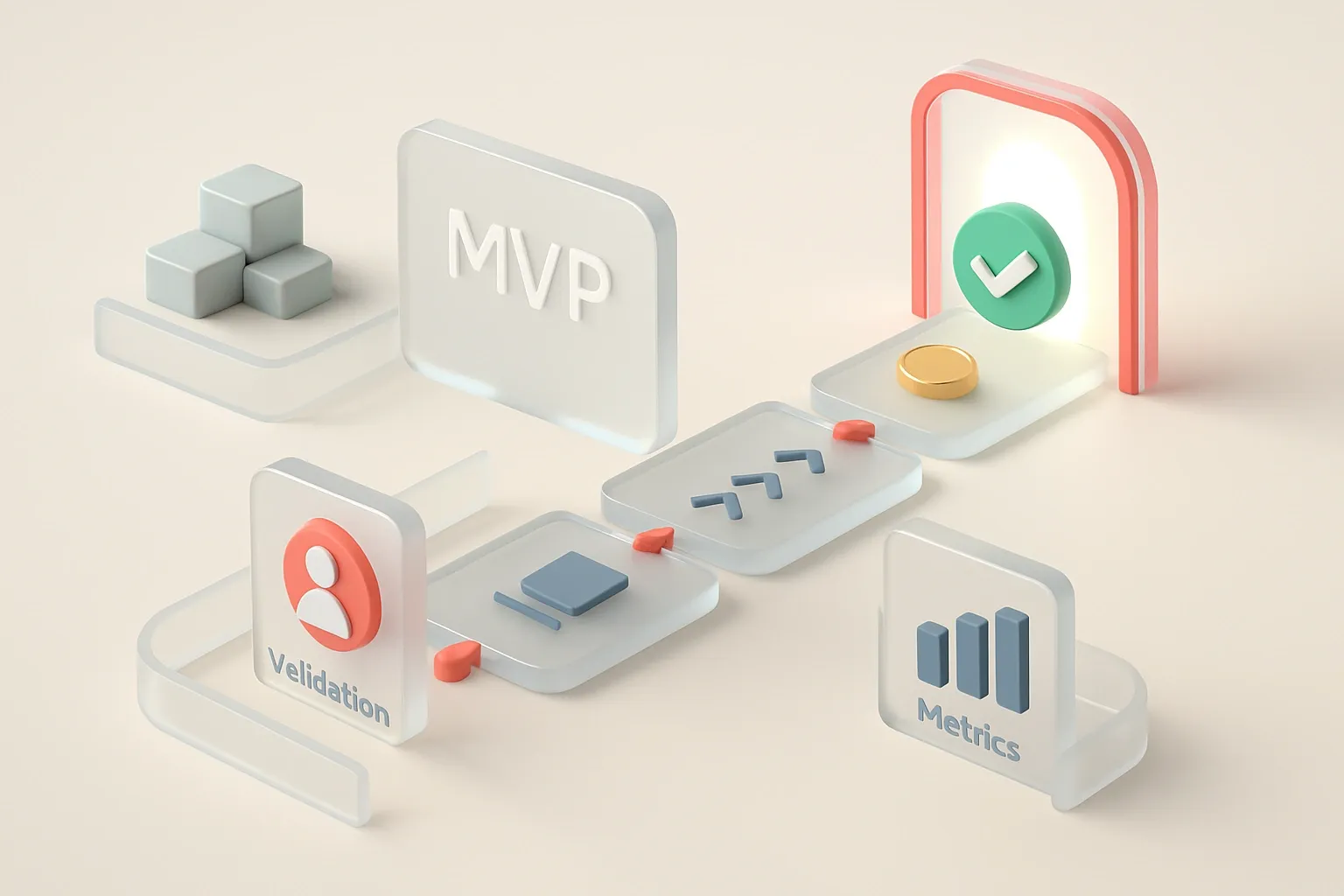

How to Build an MVP That Converts: A Practical Guide for SaaS Founders
But why does that happen? There’s an inevitable sense of urgency when someone comes up with a seemingly great concept. As a result, they push to get it out as quickly as possible… they add more features later. And they keep adding.
But we know that rushed MVP development can lead to disappointing sign-up rates and churn. A less measurable metric of failure is reputational damage, which is close to impossible to quantify for SaaS startups.
Let’s examine what constitutes a successful MVP project, but it’s probably best to begin by assessing why things go bad.
Why Most MVPs Fail to Convert (And What Winners Do Differently)
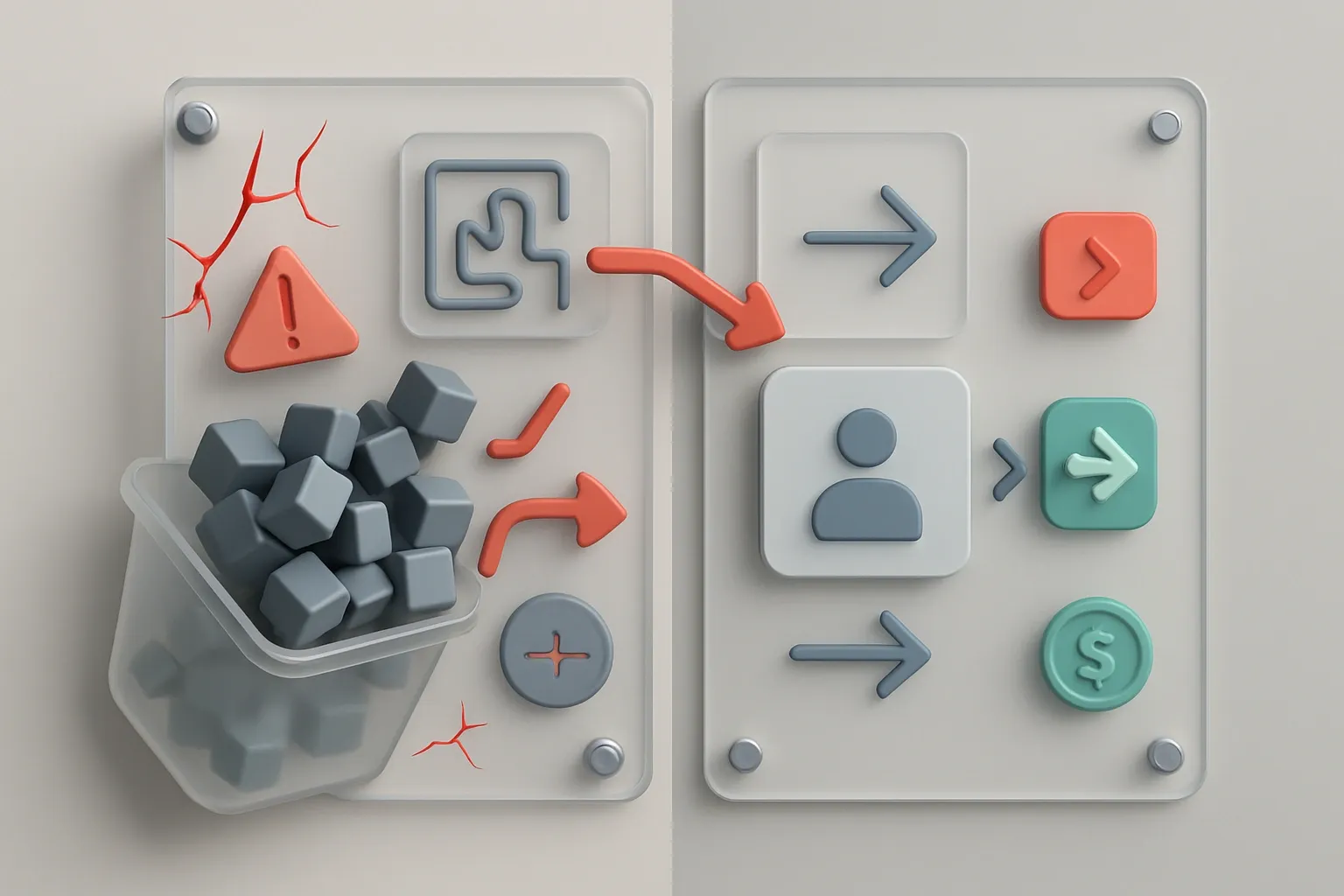
If an idea for SaaS gets good feedback from peers and potential users, it’s probably got legs. The main issue is usually related to turning initial users into long-term customers. Why does this fail to happen? Well, there are a few reasons:
- Feature overload
- Ignoring real pain points
- Cumbersome onboarding or interfaces
- No clear value proposition
- Weak conversion paths
So, the users sign up for the concept, rather than the finished product. And once they try that product, they leave in droves.
Winning MVPs take a completely different approach. They focus on solving one core problem exceptionally well. And nothing more. Building a bigger product can come later.
Immediate value is the goal of reputable MVP development teams. From day one, conversion is the priority. And MVP developers relentlessly check that every feature delivers through interviews with users, tests, and early launches.
Talking to clients, we’ve found that most SaaS projects fail because founders attempt to build fast and hope for the best.
Minimize development costs and secure brand buy-in from the outset.
5 Elements of a Converting MVP

A reputable MVP development company looks beyond the initial concept. The key to longevity here is turning initial sign-ups into brand loyalty. Why? Because if your concept is a good one, your competitors will try to deliver a better SaaS platform that does pretty much the same thing.
While there are many ways to develop an MVP for long-term success, here are five tried-and-tested elements that have been shown to deliver results:
Tackle a Serious Pain Point
Choose one painful problem your users will pay to fix and check that it works. As Eric Ries says in The Lean Startup, focus on learning what really works with minimal effort.
Provide a Powerful Value Proposition
Make the primary benefit obvious from the start. Make onboarding quick and easy so users see the value from the moment they start interacting with the product.
Create a Clear Conversion Journey
Guide users straight to the key action, whether that’s using the core feature or paying. Even the slightest of distractions or hurdles can send your users into the arms of your competitors’ SaaS platforms.
Measure Metrics from Launch
Track the numbers that matter from day one: activation rate, time-to-value, and trial-to-paid conversion.
Scalable Foundation
Build with clean architecture and smart tech choices so you can iterate quickly without reworking features down the line and adding to your MVP development costs.
UX-First Development with Continuous Feedback
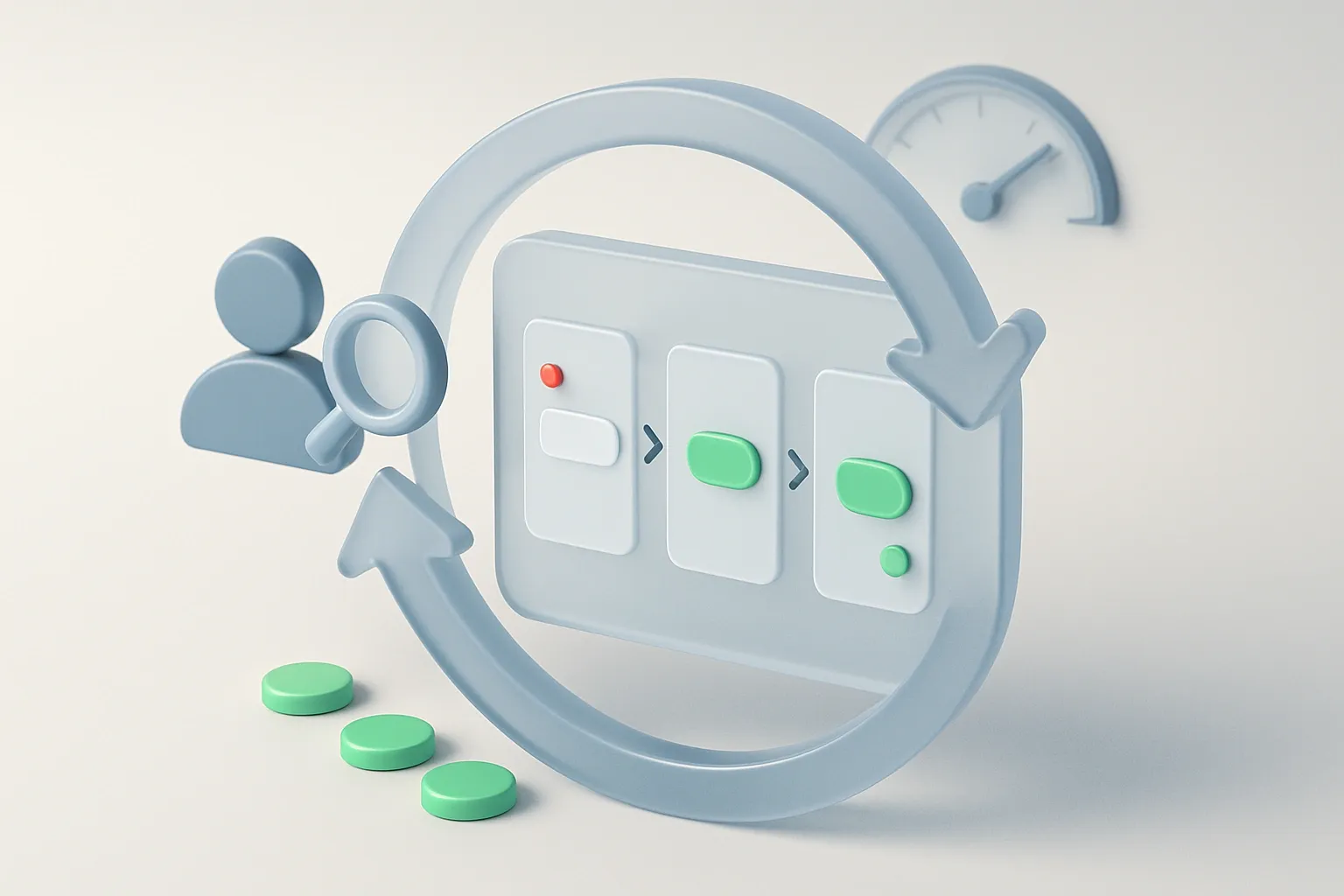
Users form a view about SaaS platforms in seconds. And this perception dictates whether they stick or twist.
Effective conversion starts with UX. A poorly designed interface, confusing onboarding, and slow load times are all potential turn-offs. That’s why the foundations of a successful MVP are always based on delivering a seamless user experience.
An experienced and successful MVP development agency will prioritize:
- Simple, intuitive flows
- Rapid prototyping
- Early user testing
Put simply: Build a piece, test it, measure what works, listen to feedback, and iterate.
When your project meets the pre-agreed criteria linked to the milestone, payment is released. Every phase should, therefore, improve the user experience and deliver valuable information.
Focus on Revenue and Engagement Metrics, Not Feature Stacking
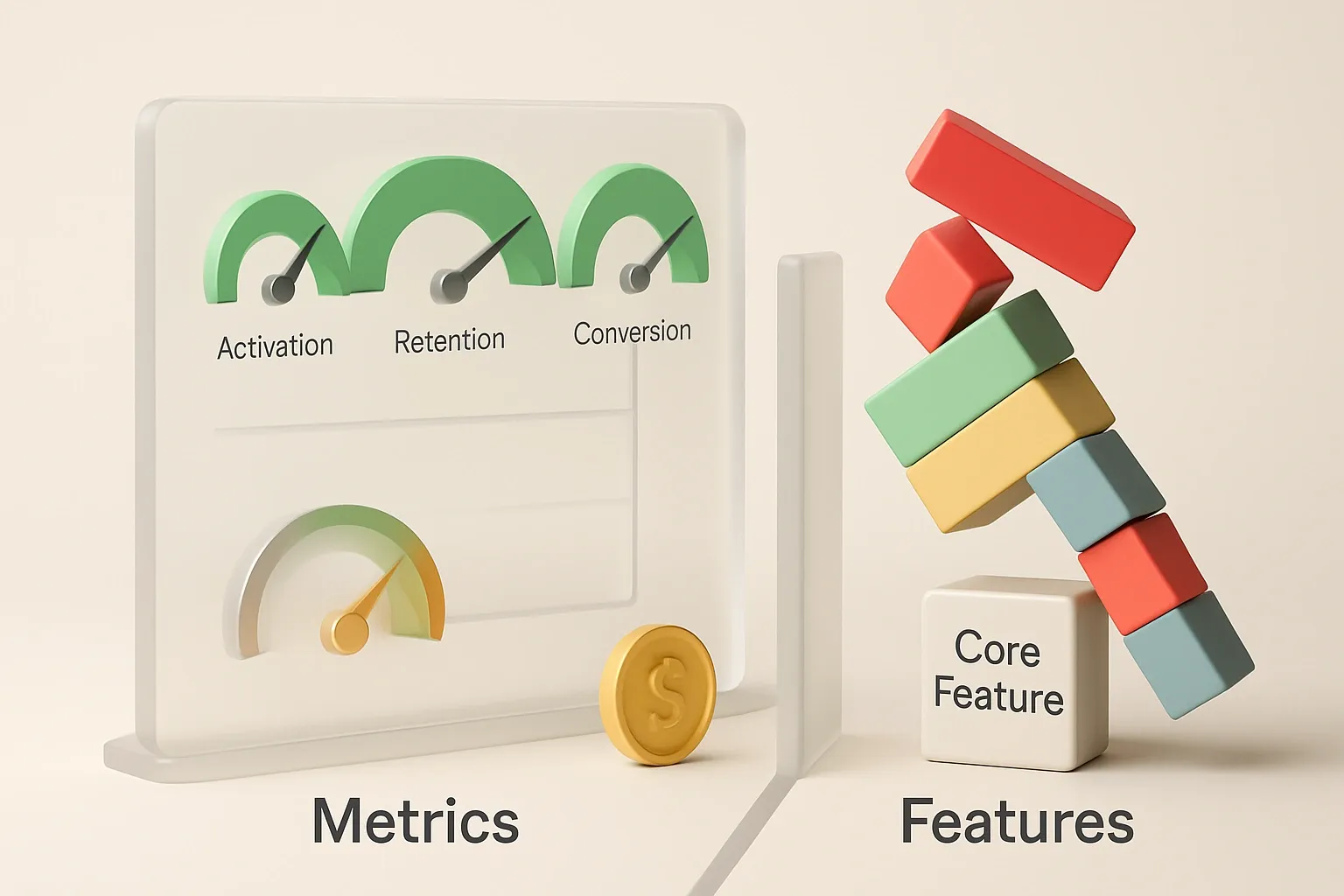
You’re on a roll. The last couple of phases have been implemented smoothly. However, MVP development for startups can change course at any time. While you might be chomping at the bit to add more features sooner, doing so prematurely could derail the entire process.
Be smarter. Whenever you make a decision based on an SaaS feature, ask yourself if it will increase activation rates. Will it enhance retention or grow revenue?
Nice-to-haves come later, when you’ve nailed the essence of your product. For now, stick to essentials, such as core functionality and payment integration.
The Practical Steps Needed for Successful MVP Application Development
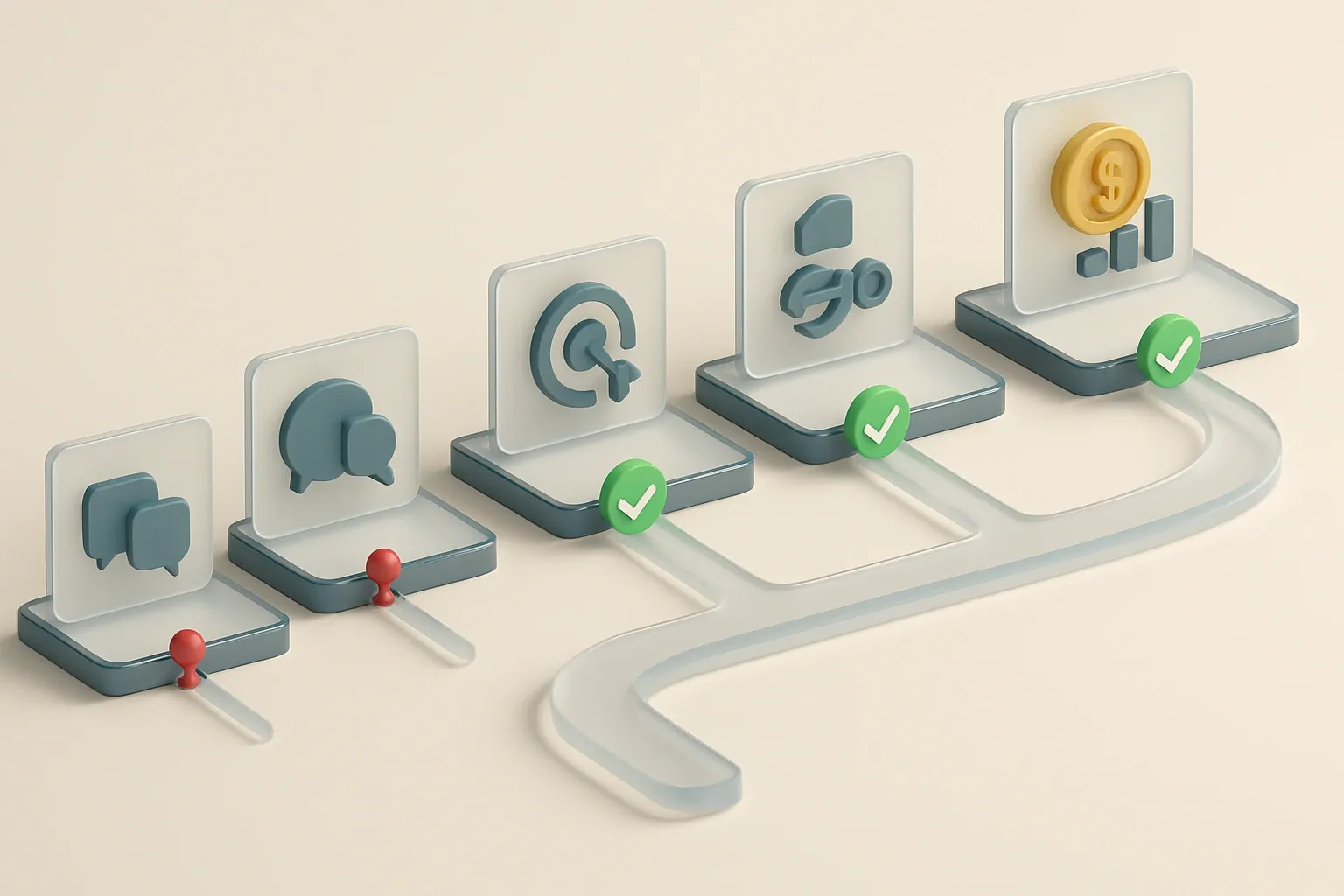
Using an MVP approach to test assumptions about their SaaS concept increases your chances of delivering sustained, long-term revenues by 50%.
Here are five steps that can help you refine your approach for success:
1. Check the Concept Has Legs
Talk to potential users through interviews. Run landing page tests. Make sure your product works, and confirm there’s real demand before writing any code.
2. Define Success
Decide right at the beginning of the process what the ultimate success of your project will look like. This might be activation rates, trial conversions, or feedback.
3. Be Realistic
Stick to what’s needed to deliver core value and measure those metrics. While it might be tempting, don’t add features that don’t support your primary objective (at least not yet).
4. Go Slowly
Develop your MVP from the ground up. Is your core function delivering, and does the feedback suggest success? Test with real users at each stage, and apply what you learn to the product.
5: Start Small
Release your MVP to a limited audience, track the metrics closely, and iterate quickly.
Why Choosing the Right MVP Development Company Is Crucial
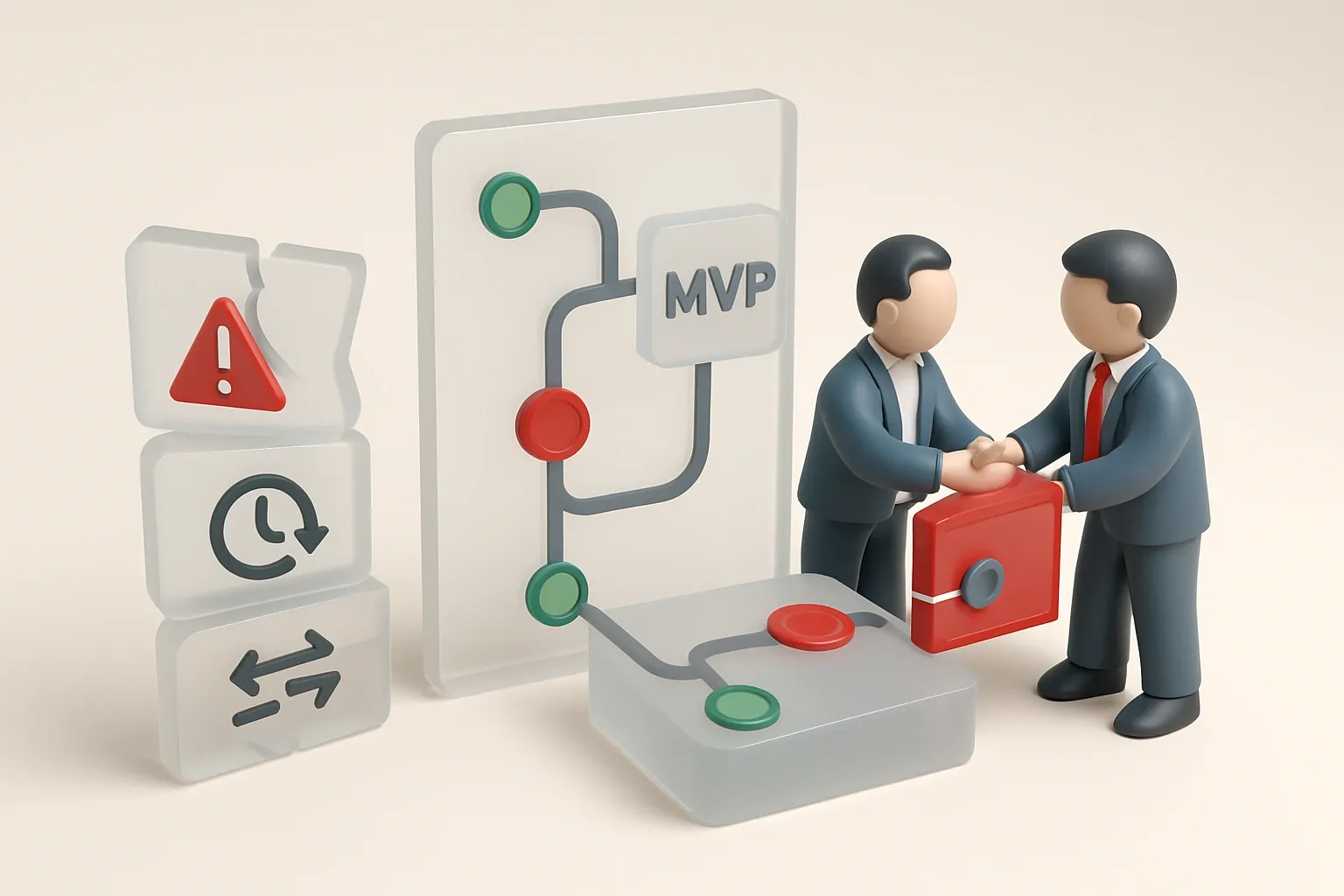
Don’t think of MVP developers as service providers. Think of them as partners. The most successful agencies in the world think that way.
Going it alone or with the wrong MVP development agency might seem like the cheaper, faster solution today, but it could lead to serious problems down the road. In our experience, those problems include:
- Incompatible priorities
- Technical debt
- Delayed validation
Choosing the right partner is about finding an ally who succeeds only when your SaaS product does. Contact DigiNeat MVP developers today to arrange an initial strategy session.