
Your Incident Response Plan Isn’t Ready. Here’s How You Know
A good plan includes steps for detection, containment, communication, and recovery in the event of a cyber incident.
While your plan may look comprehensive and detailed, it’s important to remember that having a plan isn’t the same as being ready.
Nothing can prepare your organization and its application developers for a full-blown cyber-crisis. When there’s real money and reputation at stake, dealing with a major incident can become fraught with problems.
To be sure your cybersecurity incident response plan is up to scratch, you must test it under real-life conditions. Otherwise, real incidents may lead to extended downtime, higher costs, and slower recovery.
So, if you’re not 100% sure your organization is ready for a major cyber event, here are six signs it’s anything but.
1. Your Cyber Incident Response Plan Hasn’t Been Tested with Real-Life Scenarios
If your plan has never been tested, it remains unproven — it doesn’t matter how good it looks on paper. Tabletop exercises, simulations, and full drills reveal issues such as unclear roles, communication breakdowns, or missing steps.
Stress-testing your plan can save you and your team a huge amount of confusion and panic in the event of a real attack. According to one source, only around 30% of organizations regularly test their incident response plan . Put simply, they don’t have a clue whether it will work or not.
2. Incident Response Plan Testing Is Rare or Superficial

In our experience, an annual incident response plan test just isn’t sufficient. If you’re determined to give your digital products and infrastructure maximum protection, we recommend quarterly tests — particularly in high-risk sectors such as banking and fintech.
But that’s not enough. You need to throw everything at your plan to make sure it’s robust and relevant. When certain aspects of your plan fail — and they undoubtedly will at first — you get the chance to review and improve. Just make sure that you include all departments, key personnel, and stakeholders.
Organizations that test regularly reduce breach costs by an average of $1.49 million through faster, more effective responses. It actually pays to get prepared!
3. Your Plan Doesn’t Include Clear Ownership

What good is your incident response plan if it collects dust throughout a major incident? To ensure your plan can protect your business interests, you need to make certain people accountable and responsible for its execution.
Who decides when it’s time to activate your plan? Who communicates with your customers and partners? Who is in charge of containment and mitigation efforts?
Be decisive. Get things in black and white. Assign key responsibilities and accountabilities, and follow through on them. Ambiguity can lead to the breakdown of even the most detailed incident response plans, which is why exceptional app developers always assign tasks and ownership.
4. Your Plan’s Estimated Recovery Times Feel Unrealistic
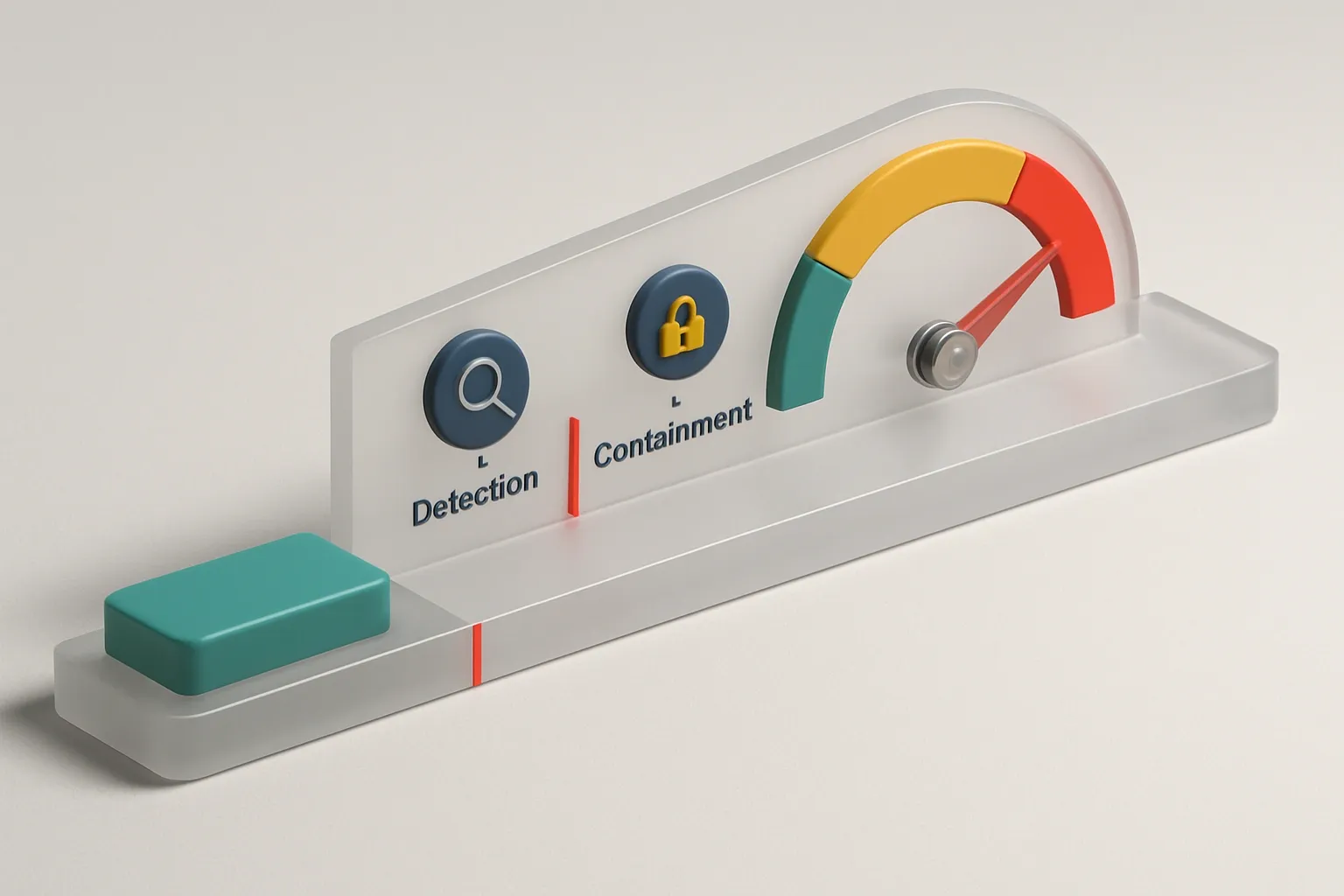
Conscientious application developers always plan for the worst-case scenarios. And experienced developers know that containment and recovery are often long, drawn-out processes.
The average organization needs around 180 days to identify a breach and another 60 days to contain it. So, from the initial event to restoring order and security, you’re looking at six months. If your plan estimates recovery in just a few weeks, it’s definitely time to revisit it.
Make sure your plan accounts for every possible recovery action, and devise your projected timeline accordingly. Getting this wrong could send your recovery costs spiraling out of control in the event of an incident.
5. Your Incident Plan Communication Processes Aren’t Practical

To fully and effectively execute a cyber incident response plan, all the key players have to come together at the right time. Accountabilities and responsibilities must be executed on time and in full, and that requires effective communication.
In our experience, however, too many incident response plans collapse into chaos because lines of communication haven’t been developed in advance.
Alerts, updates, notifications, and reporting must be smooth and integrated into one clear plan. If you don’t test your communications when you test your plan, the entire process might fail due to misinformation, delays, and compliance issues.
6. Your Plan Wasn’t Updated to Incorporate Learnings from the Last Incident

The best software developers never miss an opportunity to learn from their mistakes. Even the most detailed and well-thought-through incident response plans can be torn to shreds in a real-life incident. But if you can use what you learn to improve your plan, the pain, chaos, and financial loss won’t be for nothing.
No initial incident response plan is ever without at least some significant flaws. What’s more, there’s no such thing as the perfect plan, as compliance issues and threats never stop evolving.
The good news, however, is that a continuous process of testing, debriefs, and iteration can significantly improve the effectiveness of your current plan.
Guard Against the Latest Cyber Threats with the Help of Experienced Software Developers

As experienced, highly rated app and web developers, we always bake security and incident response plans into our digital solutions . Staying at least one step ahead of the latest threats is always the best way to mitigate any potential damage.
We form strategic partnerships with founders, CEOs, security leaders, and executive teams to ensure organizations are ready to deal with attacks and breaches — and not just their incident response plans.
Reach out today to arrange a free strategy session . It’s time to minimize the high costs of recovery and reputational damage following a cybersecurity breach.









 4.9
4.9