

Your Monitoring Dashboard Looks Good, So Why Are You Still Blind?
But beware of green lights and ticked boxes, as they can often give you a false sense of security.
Incidents and challenges appear all the time. Users complain. Revenues take a dip. So, why is your dashboard not telling the true story?
The problem isn’t a lack of data — it’s a lack of visibility and ownership. Of course, dashboards are important tools for software developers and their teams, but they can mask big risks and potential issues.
No matter how good your dashboards are, there will always be a gap between what dashboards display and how the team interprets the data.
Move away from passive monitoring and embrace proactive risk management. That’s easier said than done, so it’s a good idea to dig deeper into what you’re looking at.
A Perfect Dashboard Doesn’t Represent a Perfect Platform
The metrics on a dashboard may look great. They look even better when they’re shared with founders and investors. But they rarely tell the whole story.
CPU usage, error rates, and response times might be phenomenal, but metrics like these can hide a myriad of destructive issues. And the longer these issues are left unchecked, the more damage they can do.
According to a recent analysis, one in eight large-scale enterprises loses more than $10 million per month due to undetected disruptions. The lesson? You need to dig way down into your daily operations to get a true understanding of what’s really happening.
Dashboards display known metrics, but they don’t know what they don’t know. If they’re not looking for hidden issues, they’ll never report them.
And let’s be honest: app developers are always plagued by a myriad of potentially damaging issues, including problems that stem from third-party integrations and interactions with microservices.
Monitoring Is a Good Start, But Observability Pays the Bills
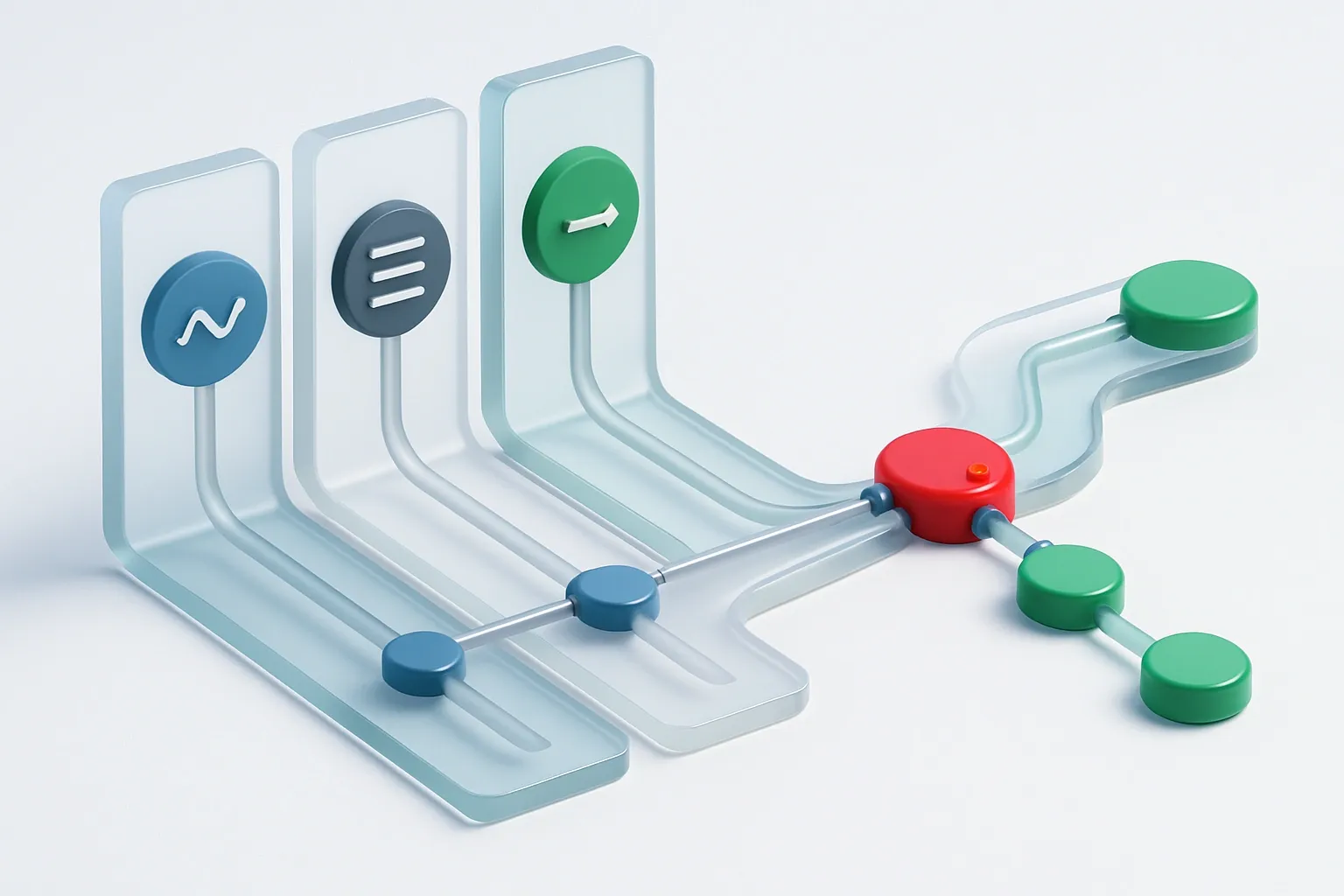
The average team of application developers collects huge amounts of data. Unfortunately, much of it remains siloed or aggregated in a way that hides the root cause of issues.
Let’s look at a real-world example that affects web developers regularly. The dashboard is reporting 99.9% uptime. Happy days, right? Not necessarily.
Look a little deeper, and you might discover that slow database queries or cascading failures from a minor service are silently affecting performance. These issues don’t raise any dashboard alarms. The first time you hear about them is when users start complaining about slowness or repeated crashes.
Monitoring gives you a brief overview. “Is it working right now?” It might be, but that’s not to say there aren’t problems under the hood.
Observability goes further. It’s like using a set of diagnostic tools to perform exploratory surgery on your platform. You can go a step further and ask, “Why is this slow?” What caused a recent spike?
Modern apps are more dynamic than ever. That’s why a good software development company embraces observability; it allows for the exploration of unknown problems by connecting ALL the data.
At a time when 55% of business leaders say they lack the information needed to make smart decisions about technology spending , observability should be baked into your everyday processes.
Ownership Gaps Amplify Blind Spots
Who takes ownership of investigating a slow endpoint? Whose responsibility is it to investigate code changes following an alert? When development cycles are fast and chaotic, ownership often becomes an afterthought. And when the sh** hits the fan, the finger-pointing begins. All the while, the issue persists.
A dashboard presents real-time data. When all the lights are green and user feedback is universally positive, everyone is happy. But when things start going wrong, a dashboard alone doesn’t attribute accountabilities and responsibilities.
There’s serious data that shows human error is the cause of nearly 40% of major tech-related incidents within large organizations . More often than not, inadequate procedures and a lack of oversight are to blame.
Eradicate Surprises to Stay in Control
Positive dashboards take all eyes off the ball. Blind spots persist. And when they do, failures catch everyone off guard.
In our experience, these nasty surprises lead to increased downtime and lost revenue. And the potential reputational damage is often incalculable. When it comes to software products , take it from us: a single undetected issue can destroy months of hard work and progress.
When you increase visibility across all your processes, potential issues can be addressed before they cause disruptions. Operational control improves when teams — and the individuals within them — own the outcomes.
Control is the father of resilience. And in-built resilience is the father of positive user experiences. Staying in control at all times is usually the best way to keep a lid on software development costs.
Look Beyond Dashboards for True Visibility
Monitoring gives you a snapshot. It doesn’t tell you what’s coming down the tracks. It doesn’t prepare you for the sudden crash in your future. But observability does. Move away from the simple collection of metrics and towards the collation of actionable insights.
The software developers at DigiNeat always make full visibility across all processes a priority. It’s this approach that avoids the kind of nasty surprises that increase downtime, churn, and revenue loss.
Reach out to the team today to organize an initial strategy session.