
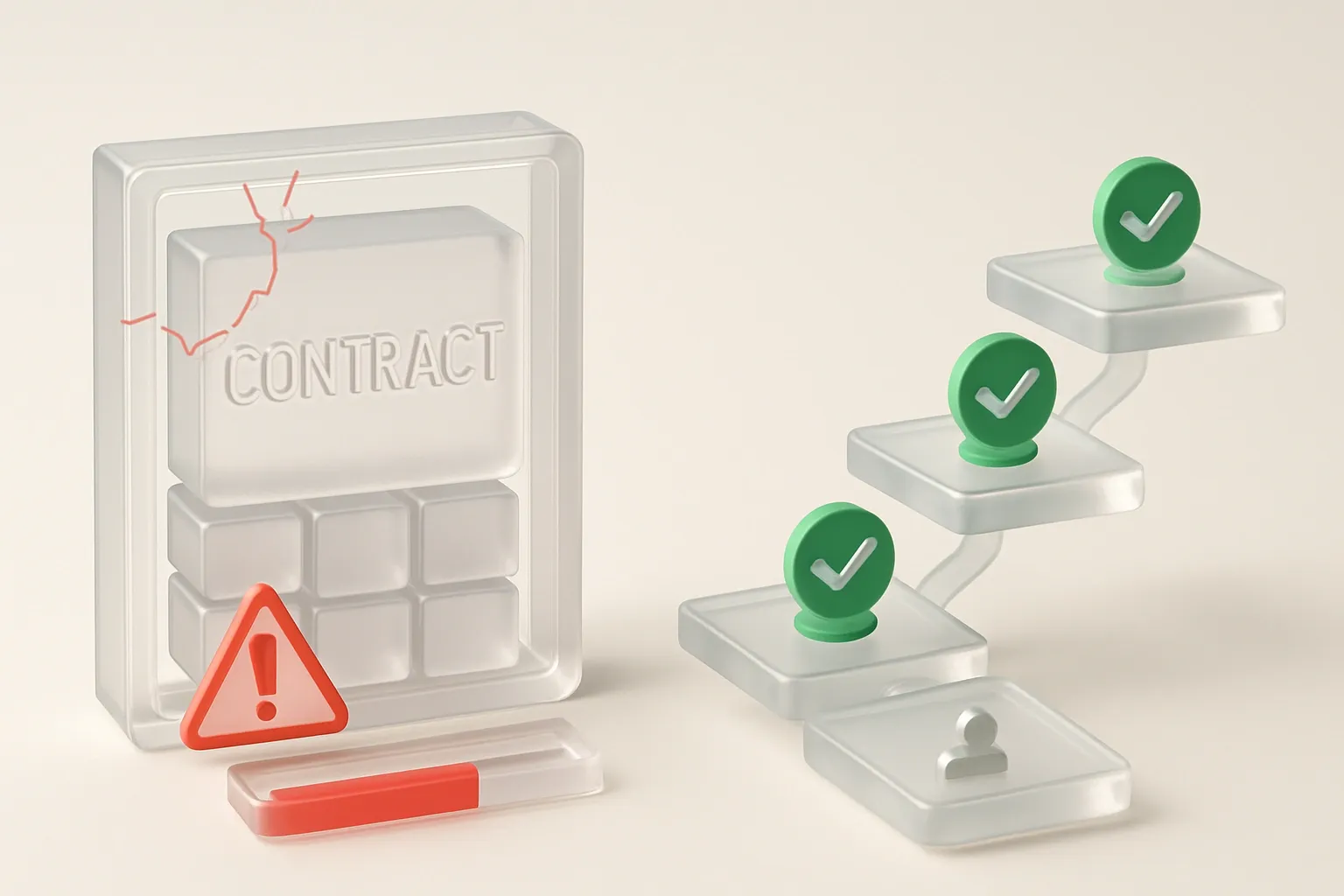

Why Outcome-Based SaaS Development Outperforms Fixed-Price Models
New insights become available when users get their hands on the product. Certain features won’t quite hit the mark. Potential integrations might emerge. And market conditions may evolve.
Put simply, SaaS development must evolve as circumstances change. And that’s why outcome-based development is now king.
Progress and payments are tied to progress. When developers deliver a milestone, they get paid. And only then do they move on to the next phase.
SaaS development companies such as DigiNeat are embracing the results-driven option because it delivers for everyone. Let’s take a close look at this increasingly popular approach.
The Limitations of Fixed-Price SaaS Development

It’s completely understandable for a business to want budgetary certainty. In fact, it’s essential. But what good is delivering an SaaS development project if the final product isn’t fit for purpose?
Agree on the scope, lock in a price, and set deadlines. Sounds easy on paper, doesn’t it? But this antiquated approach to SaaS development services isn’t suited to today’s technological landscape.
SaaS platforms are inherently iterative. Think of the world’s biggest and most successful. They start by delivering the core service. They then expand over time once the fundamentals are in place. Software-as-a-Service products are also market-driven. And as we know, markets are fickle and subject to swift change.
There are several reasons why SaaS developers are turning away from the fixed-price approach, but here are three of the most compelling:
An Overly Rigid Scope
We make a lot of assumptions when we’re scoping out a SaaS development project. But user feedback, competitor moves, market changes, and new technologies are all thrown into the mix. And when that happens, it’s common for even the most effective and exciting visions to become inappropriate.
Fixed-price contracts demand a detailed scope. When you need to make changes, however, a formal change request is required. But they’re not accounted for. And neither are the costs they entail.
It’s in a development team’s best interests to either stick to the plan in its entirety or charge a significant change fee. And both of these options can lead to disputes.
Misaligned Incentives
SaaS developers want to agree on a scope, a budget, and a timeline at the earliest opportunity. It’s only natural. Certainty is essential for most businesses. But that objective probably doesn’t align with yours as the client.
Features are delivered because they were included in the initial scope — not because they add value at the moment of launch. Rather than innovating and coming up with creative solutions, developers can end up simply ticking boxes to ensure all the deliverables are achieved on time and within budget.
Put simply, development teams and clients aren’t on the same page when a fixed-price approach is in place.
Changes Are Very Expensive
The vast majority of successful SaaS launches require at least one major change from the initial vision. User testing may reveal the need for a new flow. Regulatory changes might occur. Your nearest competitor might beat you to the punch.
When a fixed-price approach to SaaS development is in place, these changes trigger change orders. And if you’ve ever had to submit one, you’ll know how expensive they can be.
An initial quote might have sounded very reasonable at the time. But when all the change orders are added together at launch, your total development cost could have ballooned considerably.
The further into a project you get, the more expensive sudden changes can become. And as a result, you’re forced to make trade-offs and compromises. Before you know it, you’re left with a burgeoning bill and an SaaS platform that fails to resonate with its target audience — even if it meets all the original specifications.
What Is Outcome-Based SaaS Development?

Progress and payments are linked directly to achieving pre-agreed, meaningful milestones. When developers hit them, the payment is unlocked. These milestones can differ from project to project, but they are often linked to user experience, security, functionality, and commercial performance.
This runway-focused approach builds software products in stages. That way, founders can keep a tight lid on costs while testing new ideas based on the fresh insights they receive along the way.
And there’s strong evidence to suggest that this approach delivers results. According to the Standish Group's long-running CHAOS studies, Agile projects are three times more likely to succeed than traditional fixed-scope approaches.
The Key Elements of a Results-Oriented Approach to Developing SaaS
Be ready to change course at a moment’s notice. With lead times of up to two years, what was once a great vision — along with a perfect project scope — might be redundant by the time of launch. Choosing the results-first approach avoids this by delivering four key elements:
Milestones: Hit a target, such as delivering secure payment processing or scoring well in user testing, and payment is released to the development team. The project then moves forward to the next milestone.
Flexibility: Priorities can shift based on feedback or market changes because the need for them is identified much earlier in the process. And that’s a recipe for low-cost change orders.
Adaptability: When issues arise, solutions can be found more quickly when an SaaS development project is broken down into small chunks.
Results-First Approach: Every iteration prioritises tangible value (retention, growth, revenue, etc.). The outcome-based approach lends itself perfectly to a process of constant and continuous feedback.
How Runway-Based Development Lowers Risk for SaaS Founders

One of the biggest startup killers is the drying up of capital. Multiple changes due to unforeseen circumstances quickly add up, and leave projects hopelessly overspent and off-course.
But runway-based SaaS development reduces the chances of this scenario occurring. The entire process links development milestones with your available capital. Funds are only released when tangible targets are realized.
We’ve seen it countless times at DigiNeat: Build and validate core features first before gathering user feedback. Proceed only when those features are proven. It’s an approach that keeps both costs and overall timeliness down.
And there’s evidence that this milestone-driven approach boosts success rates dramatically. Projects using flexible, iterative methods deliver significantly better results. Ultimately, runway-based development gives founders the breathing room to adapt, refine, and grow sustainably in uncertain markets.
Why Outcome-Based Models Excel in Fast-Changing SaaS Environments
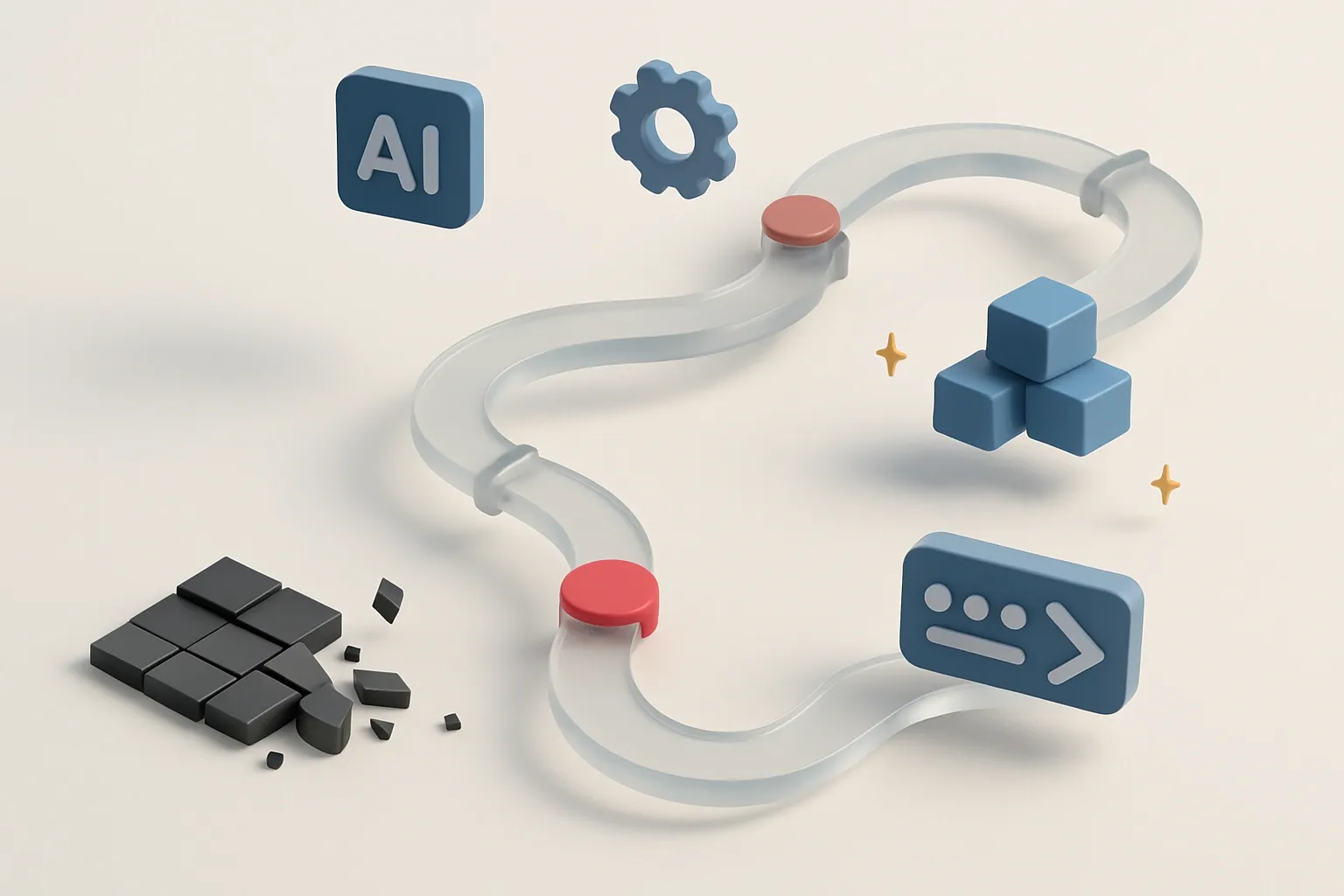
The SaaS landscape is changing fast. Emerging technologies and approaches, such as AI integration, composable architectures, and a relentless focus on flexibility and speed, are to blame. This is why flexibility and adaptability are crucial.
Key changes include:
- Heavy adoption of AI and machine learning for automation, predictive features, and personalization.
- The rise of vertical and micro-SaaS for niche markets
- API-first designs for seamless ecosystems
- Low/no-code tools accelerating development
- Usage-based pricing models are gaining traction
The only predictable thing about the world of SaaS app development these days is its unpredictability. But an outcome-based approach is built for this exciting new age.
Quick adjustments are made possible by flexibility and adaptability. Quick adjustments keep development costs low and minimize disputes. Milestones maintain project momentum while delivering value.
According to the 2020 Standish Group Chaos Study, Agile projects are three times more likely to succeed than the so-called Waterfall projects. Why? Because the SaaS landscape has never been more unpredictable.
Partner with DigiNeat for a Successful Outcome-Focused Approach to SaaS Development
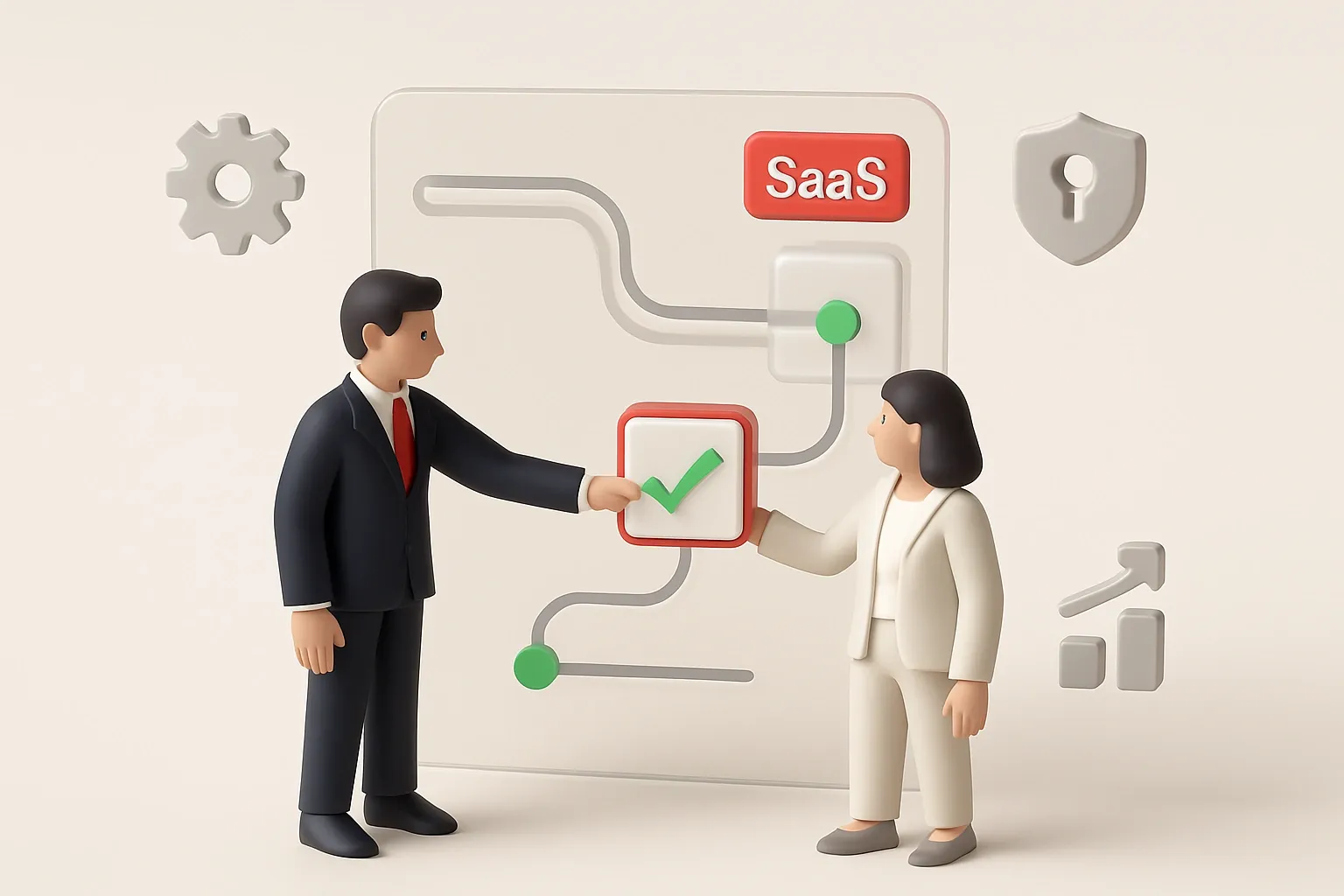
Build your next SaaS product without blowing your maximum budget or running into severe delays, both of which have the potential to damage your reputation.
Contact DigiNeat today to explore an outcome-based partnership that accelerates your vision while protecting your runway. Let's succeed together.