
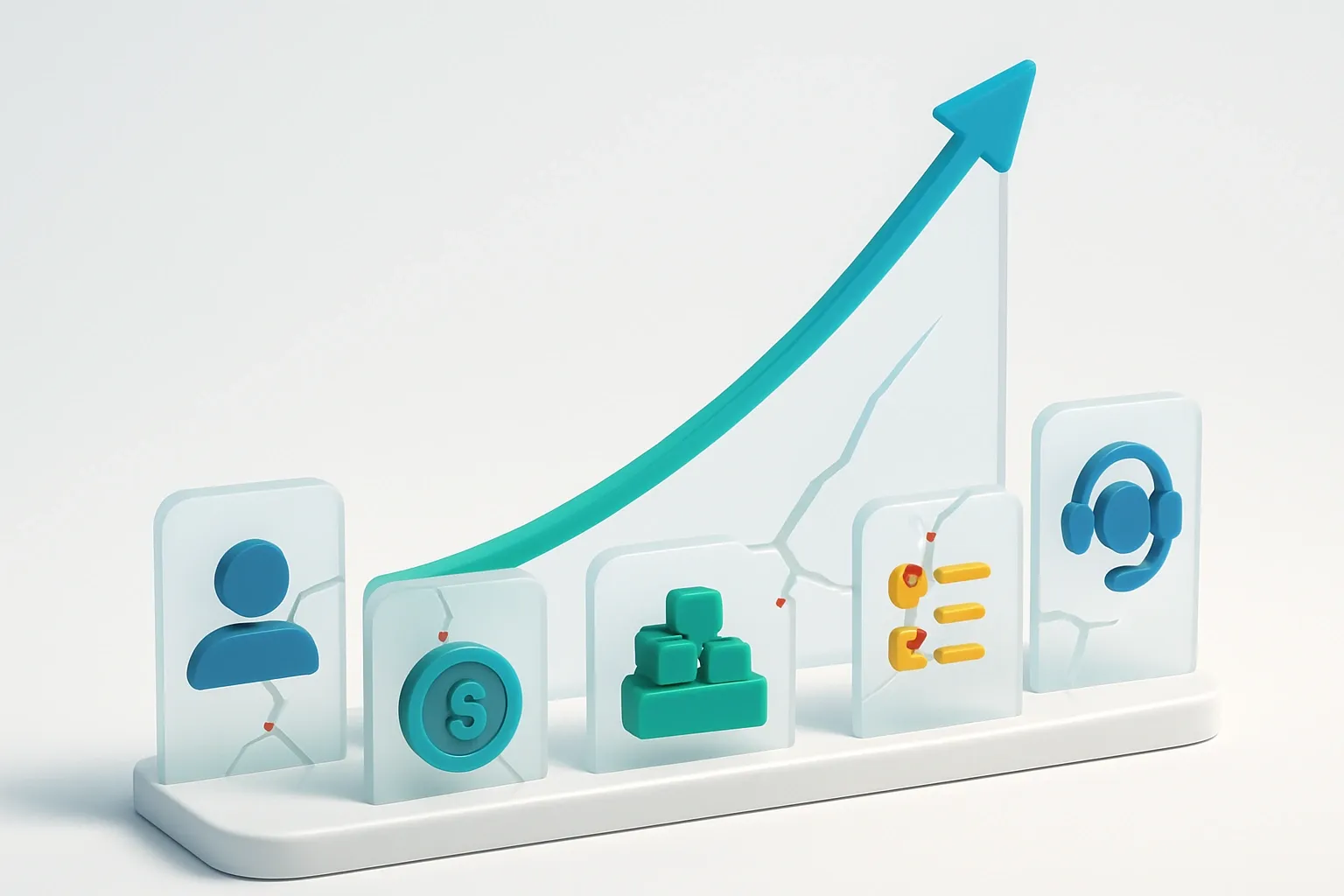

Scaling Fast? 5 Operational Risks That Appear After Series A
Software product growth amplifies success, but it also has the uncanny knack of exposing hidden weaknesses. Little niggles that were once easy to deal with suddenly become massive logistical challenges — costing money and many personnel hours to fix.
Here at DigiNeat, we’ve witnessed every possible operational risk encountered by web development teams, founders, and stakeholders. Here are five of the most serious.
1. Hiring Outpaces Leadership Capacity
Fast growth is all smiles and sunshine until you realize you don’t have the team to cope with it. Unfortunately, too many product managers start hiring without first putting in place the necessary leaders and operational structures.
In the early days of software development, generalists can perform multiple roles without too much hassle. But when you start to scale, specialized functions don’t get the attention they need. And gaps in accountability start to appear.
When a web development project begins to grow in complexity and scale, only specialists can keep things moving efficiently without sacrificing quality. If those people aren’t hired and integrated properly, team cohesion suffers, which leads to higher turnover — something that affects around a quarter of startups each year.
2. Financial Controls Struggle to Keep Up with Spend
You have fresh capital in the bank, so there’s no immediate threat to your project. You can start investing to accelerate growth. But unless you have scalable financial systems built into your process, the rate at which you spend can become incredibly difficult to predict.
It’s not unusual for startups to overspend on web development under the assumption that subsequent funding rounds will be successful. But when market conditions change, that cash is often not forthcoming.
Building revenue milestones into your project scope can help you control the scaling process. But losing track of expenses can quickly lead to a situation where you’re firefighting and burning through cash.
3. Existing Infrastructure Fails to Cope with Increased Volume
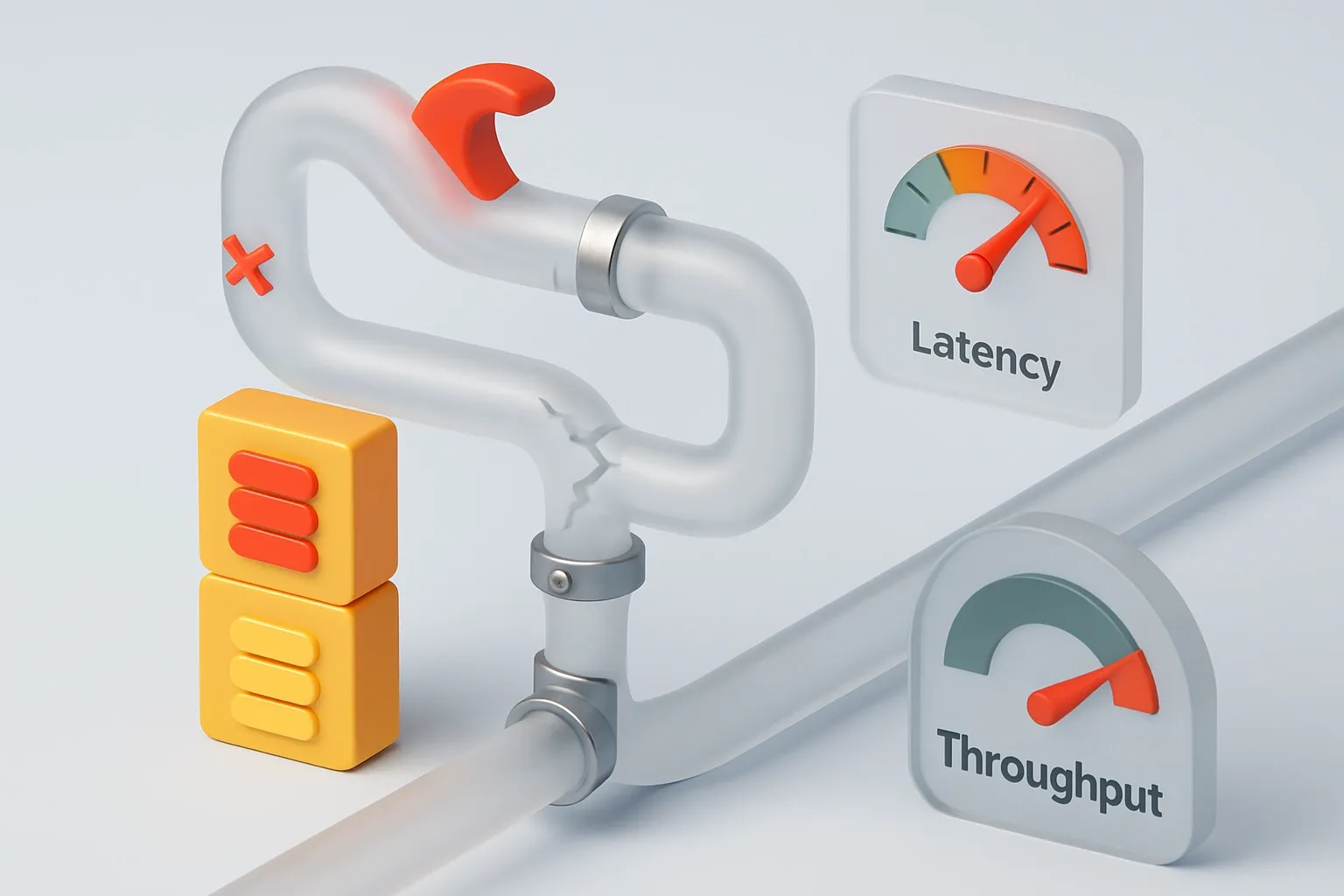
Things were going perfectly when your digital product was only serving a handful of customers. But that infrastructure may quickly buckle under the pressure of swiftly ballooning volume.
Manual workflows just aren’t fit for the rigors of modern software applications — particularly in dynamic sectors such as banking and fintech.
When processes needed for customer service, sales, and fulfilment are being delivered by people rather than automated processes, bottlenecks develop. And that’s the path to delays and quality degradation.
It’s vital that you put in place the necessary infrastructure before you start scaling. Research shows that around 74% of high-growth startups fail due to having infrastructure in place that just isn’t up to the job.
4. A Lack of Strategic and Everyday Decision-Making

Founders and managers thrived on making quick decisions during the early stages of web development. But when volume ticks upwards, every decision has more at stake. The potential for errors of judgment grows. The complexity of decisions increases. Suddenly, delegation and structured governance become critically important.
When roles and responsibilities aren’t clearly defined, communicated, and executed, everything gets directed back to the top. And when that happens, processes grind to a halt.
Before you know it, your organization isn’t equipped to deal with sudden market shifts, operational metrics, or user feedback. Left unchecked, this issue can seriously harm your chances of successful funding rounds.
5. Customer Service Takes a Back Seat to Operational Priorities

The best web development services integrate usability and customer experience processes from the outset. More importantly, however, they don’t begin scaling until the infrastructure needed to cope with higher volumes is well established.
When operations start showing signs of strain, firefighting measures kick in. And they nearly always take priority. As a result, support times start falling back. The inability to personalize the experience leads to churn. Product inconsistencies begin to appear.
Unfortunately, there’s often a lag between these issues appearing and growth metrics pointing to an issue. In the meantime, you’re losing trust and damaging your brand.
Don’t run before you can walk. Avoid the temptation to scale too quickly, as this is a sure-fire way to trigger dreaded churn spikes.
Avoid These Operational Risks By Scaling with a Trusted Web Development Company
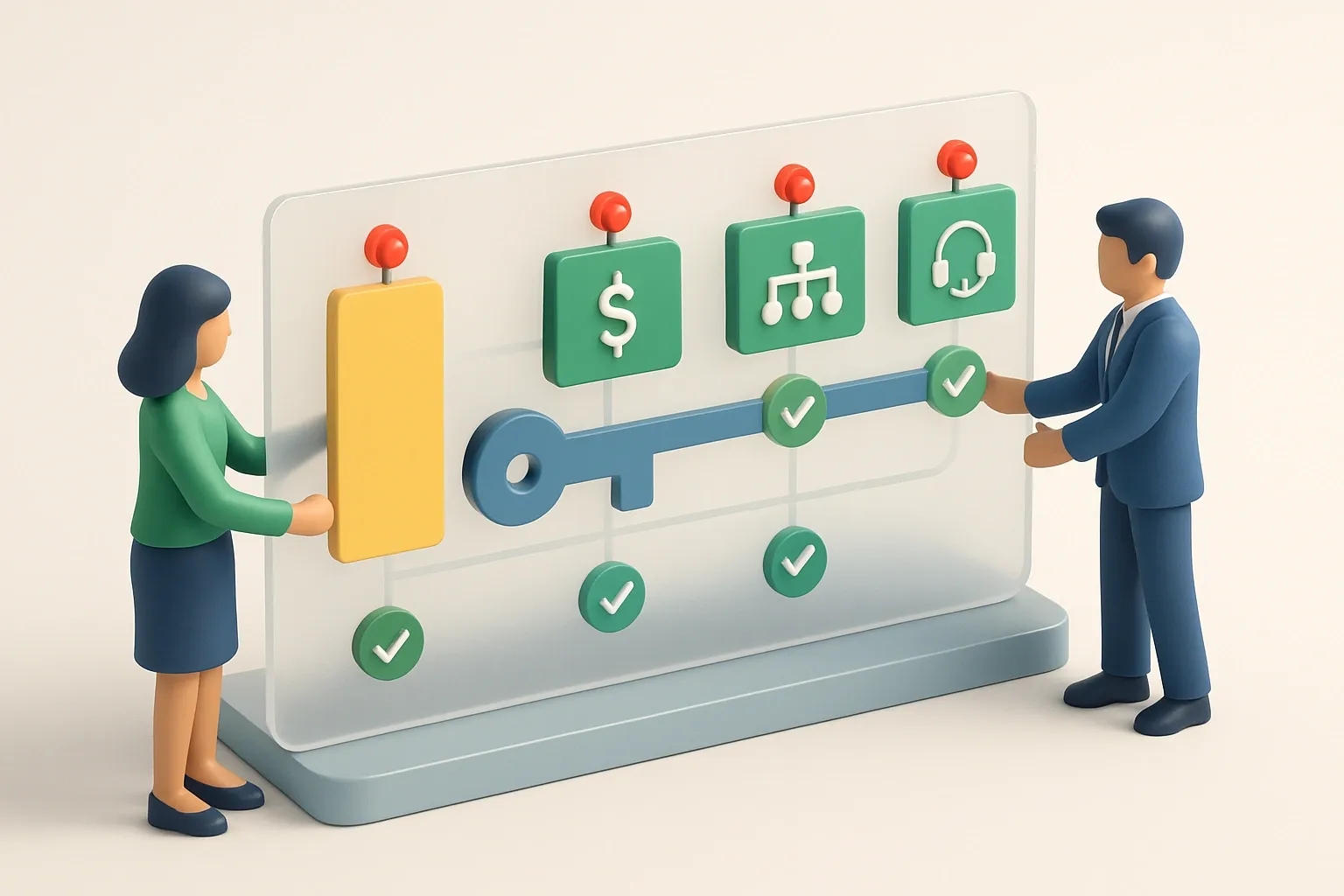
The risks we’ve outlined here aren’t inevitable. But if you race ahead with your scaling journey, at least one of them will put your long-term growth in jeopardy.
We work with post-Series A founders and executive teams to deliver web development projects that can scale seamlessly. Interested? Contact us today to arrange your free strategy session.