

Why Design Systems Matter in SaaS and How They Accelerate Product Growth
According to a study from McKinsey, design plans deliver more successful SaaS app design projects. Iteration is faster, without sacrificing quality. Technical and design debt are both minimized. And the reliable, predictable user experiences SaaS design plans deliver reduce churn and accelerate growth.
In our experience, SaaS design plans are indispensable. Let’s explore the reasons why.
Why an SaaS Design Plan Is Crucial to the Success of Your Project
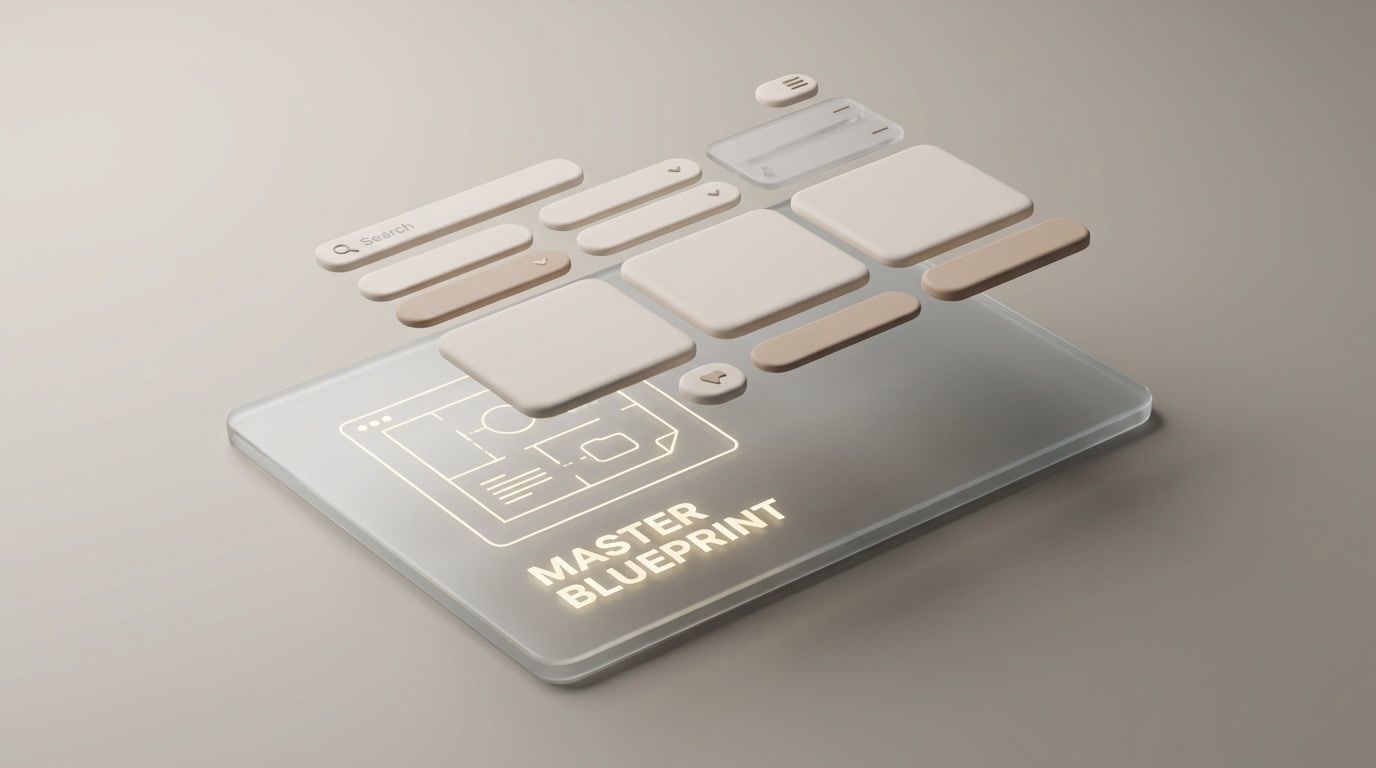
Iteration is an unescapable truth in SaaS application development. User demands shift. New technologies emerge. Markets evolve. Products grow in popularity. And all the while. SaaS development teams have to gradually build on what they’ve already accomplished.
Figma’s internal research shows that designers using a mature design system complete typical tasks 34% faster than those without one. It’s equivalent to gaining significant additional capacity on a design team.
Winging it doesn’t deliver long-term results. At DigiNeat, we hear about projects that failed due to the lack of a robust and comprehensive design plan. When you build a Saas platform, formulate a design plan before you do anything else.
The Cost of Not Having a SaaS Design Plan

The bigger your project or team becomes, the greater the need for a detailed SaaS design plan. The consequences of pressing ahead without them are serious — and very costly!
- Inconsistent UI across features
- Duplicated design
- Duplicated code
- Slower delivery and longer development cycles
- More bugs
- Friction between designers and developers
We get it. Coming up with a killer idea for the next big SaaS platform is a big deal. It’s only natural to want to dive right in. If you’re not first, you're last. The pressures on SaaS founders to be first are immense.
But if being first means retrofitting a design system later, you’ll end up paying the price of rewriting legacy UI and paying down technical debt. Taking the time and resources to create a solid SaaS design system today will save you a lot of money and headaches down the road.
The Benefits of Using a Comprehensive SaaS Design System
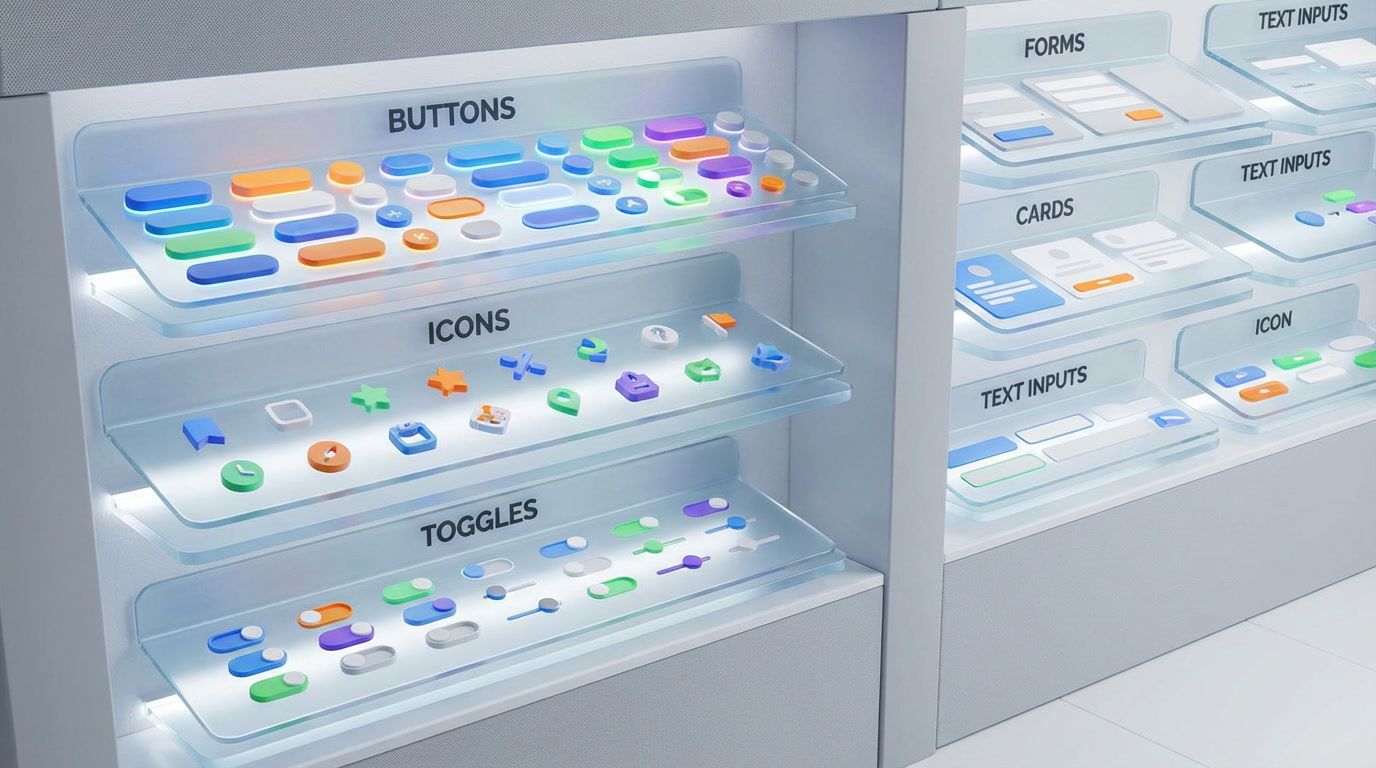
A recent study showed that developers built a UI element 47% faster using a mature design system. The fact that accessibility and visual consistency were also enhanced was a welcome bonus.
Consistency of design and UI: These are the main benefits of starting a SaaS web design project with a carefully thought-through design system in place from the outset. But there are others:
Consistent Branding and User Experience
Your design system is the foundation for brand and UX consistency across all features. Consistency is the key to user trust, so investing in a system from the outset can pay dividends long into the future.
Faster Development
When you can easily reuse proven components, everything becomes faster and easier. Teams can assemble new screens without having to reinvent the wheel, and that’s always good news for your software development costs.
Reduced Bugs
Standardize your patterns right from the beginning of your project. When done correctly, this minimizes implementation variations, making maintenance in the future quicker and easier — with far fewer opportunities for error.
Smoother Collaboration
When miscommunications are avoided, mistakes — and the rework they create — are kept to a minimum. Clear documentation and shared assets all play their part in making collaboration smoother and more successful.
What Does a Successful Design Plan Look Like?
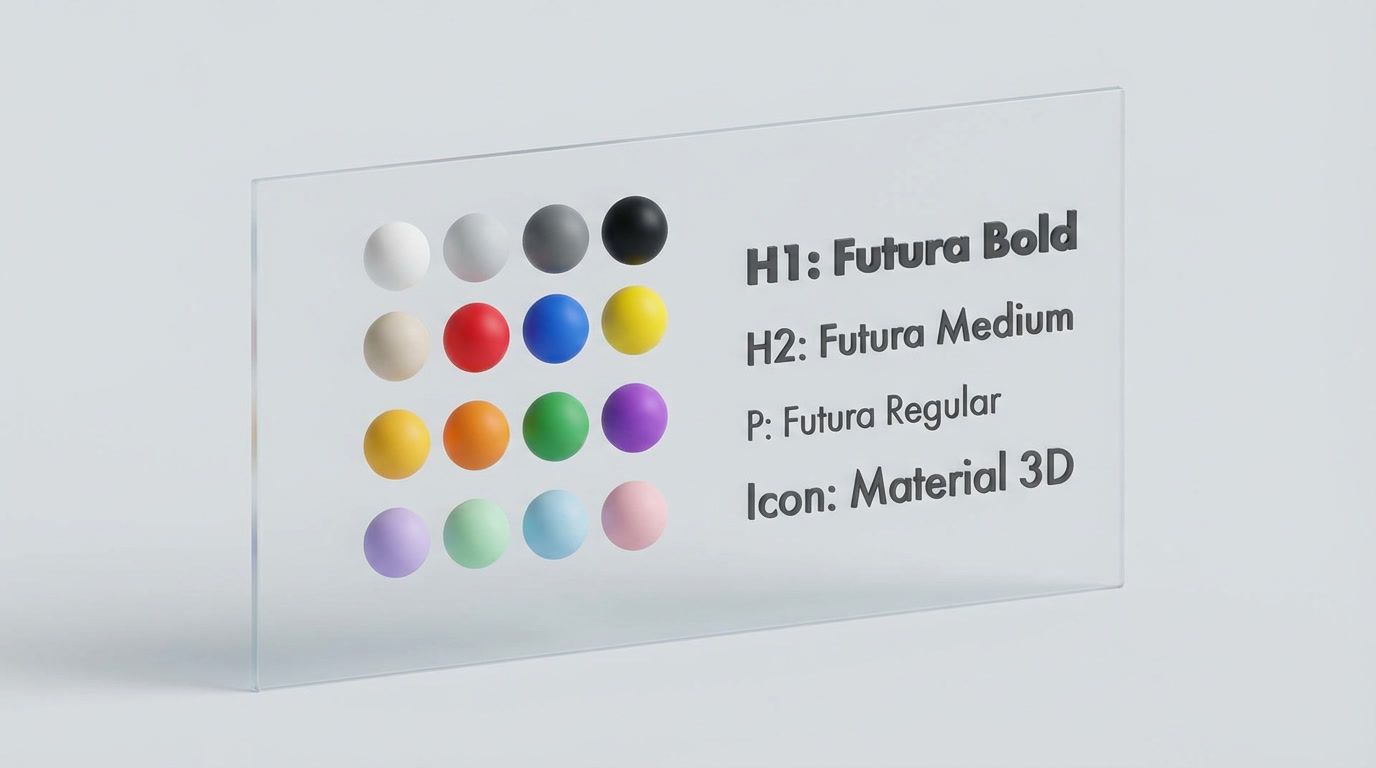
Of course, every SaaS design plan is different, as no two concepts are ever the same. But in our experience at DigiNeat, a great design system includes the following elements.
Design Tokens
We use centralized design tokens to define key visuals such as colors, typography, spacing, shadows, and other effects. This guarantees consistency and uniformity across all design tools and code.
Component Libraries
When we create SaaS applications at DigiNeat, we rely on a series of proven, reusable building blocks. These elements include forms, cards, buttons, etc. We pre-build these components and test them thoroughly. The result? Our teams can create new, high-quality interfaces quickly.
Patterns and Guidelines
Standardize your patterns and create universal guidelines from the outset. Do you have any repeatable layouts? Is there a navigation flow that has delivered results? Can you standardize interaction processes and accessibility standards for long-term consistency? Make the decisions as a team, and communicate them to everyone via accessible documentation.
Governance and Tooling
Who must take overall ownership of the project and all its various tasks and responsibilities? The combination of strong governance and supporting tools, such as syncing tokens, could be the key to keeping your platform ahead of the curve.
The Right SaaS Design Plan Can Enable Scaling and Iteration

Maybe you’ve created a successful SaaS platform without a comprehensive design system. You’ve nailed your core objective by keeping things focused. That’s great — until you want to enhance your platform for long-term growth.
You can roll out features quickly and efficiently when you have a Saas design system in place. Reusing proven patterns and components is easier, and everyone follows the same playbook. When you want to add new features, the process is quick and relatively straightforward. So, saving time, cutting costs, and avoiding inconsistencies all become part of the process.
Documentation and standardized assets provide clear guidance for new members of your team. So onboarding doesn’t affect ongoing projects as much. And if you’re planning for significant growth, these elements lay the groundwork for multi-product ecosystems.
What Are the Main Obstacles to Design Plan Adoption?
A 2024 McKinsey study found that companies with mature design systems achieve 20 to 30% savings in annual design and development costs. So, the obstacles that are holding you back from pressing ahead with a SaaS design system should be tackled, one by one.
Many clients tell us that they’re worried about the initial cost of developing a comprehensive SaaS design system. But it’s important not to lose sight of the main goal. The initial effort and expense quickly pay off through time savings and reduced technical debt. It’s not unusual to see an ROI in just a few months, thanks to faster delivery times and reduced inconsistencies.
Implement design plans in stages. Start with high-impact areas and gradually rework old UI. However, make sure everyone is on the same page throughout the process. Involve designers, developers, and all stakeholders from the outset.
Consistency, maintenance, and governance can also throw a spanner in the works. The right people must take ownership of the right processes; otherwise, systems quickly become outdated and inconsistent. Before you know it, your design system is a problem, rather than a solution.
Create a Future-Proof Design System for SaaS Development

Scaling and iteration suddenly become less costly and more effective when there’s a universally agreed design system in place. Here are some tips to get you started:
Audit Your Key Elements
Start by auditing all your UI elements. Identify those that are reusable, then prioritize all your high-use components and tokens. We prefer taking an incremental approach, starting with a minimal viable system before expanding with feedback from the team.
Assign Ownership and Processes
Who should take ownership of the project? Who should take ownership of the project’s core elements? Assign roles and responsibilities from the outset. Explain update processes thoroughly. Just be sure to cover issues such as versioning, contribution workflows, and reviews.
Focus on Key Outcomes
Keep your eyes on the prize, but remember that there will be a series of key outcomes to look for during the development process. We recommend prioritizing scalability, user experience, and ease of maintenance.
Proven design systems increase the average efficiency of design teams by 38%. This gain will prove invaluable as your product continues to evolve and grow.
Deliver Sustained Product Growth with the Help of SaaS Design System Experts
At DigiNeat, we partner with SaaS teams to build and implement future-proof design systems engineered for seamless growth. We don’t just provide SaaS interface design solutions; we immerse ourselves in the operations and objectives of our clients for shared wins.
Let’s discuss strategy. Contact the DigiNeat team today to give your SaaS product the best possible chance of long-term success.