


Why FinTech Products Fail After MVP (And How to Scale Without Rebuilding)
But it’s important not to take anything for granted. Even the most successful fintech MVPs fail hard when it’s time to scale.
The global fintech market is expected to top 1.7 trillion by 2034 . There’s absolutely no doubt that this is a great time to get involved. But delivering an MVP is just the end of the beginning. Around 73% of fintech startups fail within the first three years . Let’s take a look at the reasons why — and what you can do about them!
MVP Wins Don’t Always Lead to Successful Scalability. Here’s Why

You’ve proved the effectiveness and viability of your fintech product with a great MVP. But don’t pop the champagne just yet. By their very nature, MVPs are stripped back to the basics. When it’s time to start dominating the market, you’re going to need to add the wow factor through exceptional usability , built-in trust, and features people actually want.
Here at DigiNeat, our fintech software developers have delivered countless fintech MVPs over the years. But we’ve also heard on the grapevine about MVPs that killed at investor meetings, only to wither and die at scale. But why? Here are a few potential reasons:
Non-Modular Architecture
Early builds often use tightly coupled codebases that handle low volumes. However, performance bottlenecks arise when transaction counts rise or new features are added. Every time you want to add or update, you have to tackle the entire platform, rather than focusing on smaller elements.
Poor Security
The most basic protections against data breaches and fraud may be enough for an MVP, but they can quickly buckle under the pressure of traffic when your MVP starts to scale.
The Absence of Compliance by Design
For the best long-term results, talented fintech application development teams bake in compliance to every aspect of design. The alternative is to bolt on regulatory mechanisms further down the line, which can be complex, time-consuming, and very costly.
Overly Optimistic Growth Assumptions
The best fintech developers make realistic assumptions about traffic, latency, and other issues that can affect the scalability of a fintech MVP. Over-inflated assumptions can quickly lead to slow user experiences, downtime, and lost trust.
Rigid Data Models
Your MVP performs brilliantly when it’s rolled out to a limited number of test users, but it struggles when you start to scale. It’s a tale as old as time. Problems arise because everything was crammed into a rigid database instead of being carefully organized.
Rushed Decisions Often Lead to Technical Debt Mountains

Fintech founders obviously want to be the first. That’s how it should be. But when being first comes at the expense of rushed fintech MVP development, the consequences can be catastrophic when the scaling phase begins.
Technical debt is the enemy of seamless fintech scaling. This is because prioritizing speed over quality leads to poor code and architecture. Technical debt refers to the cost of putting those mistakes right. The more shortcuts you take, the higher your technical debt mountain becomes. This makes scaling a nightmare.
McKinsey says that technical debt can reach between 20 and 40 percent of the value of an organization’s entire digital estate . So, what happens? Instead of investing resources into new products, investors and founders are forced to divert budgets to reworks.
There are many reasons why fintech development decisions are rushed. And, to be honest, they’re all completely understandable. However, accomplished and experienced fintech app development experts avoid them at all costs.
- Choosing monolithic architectures to save time and costs
- Skipping comprehensive testing and documentation to get to market fast
- Choosing temporary integrations
- Developing inferior databases that can only cope with low volumes of traffic
Preventing Rebuilds Through Outcome-Based Milestones
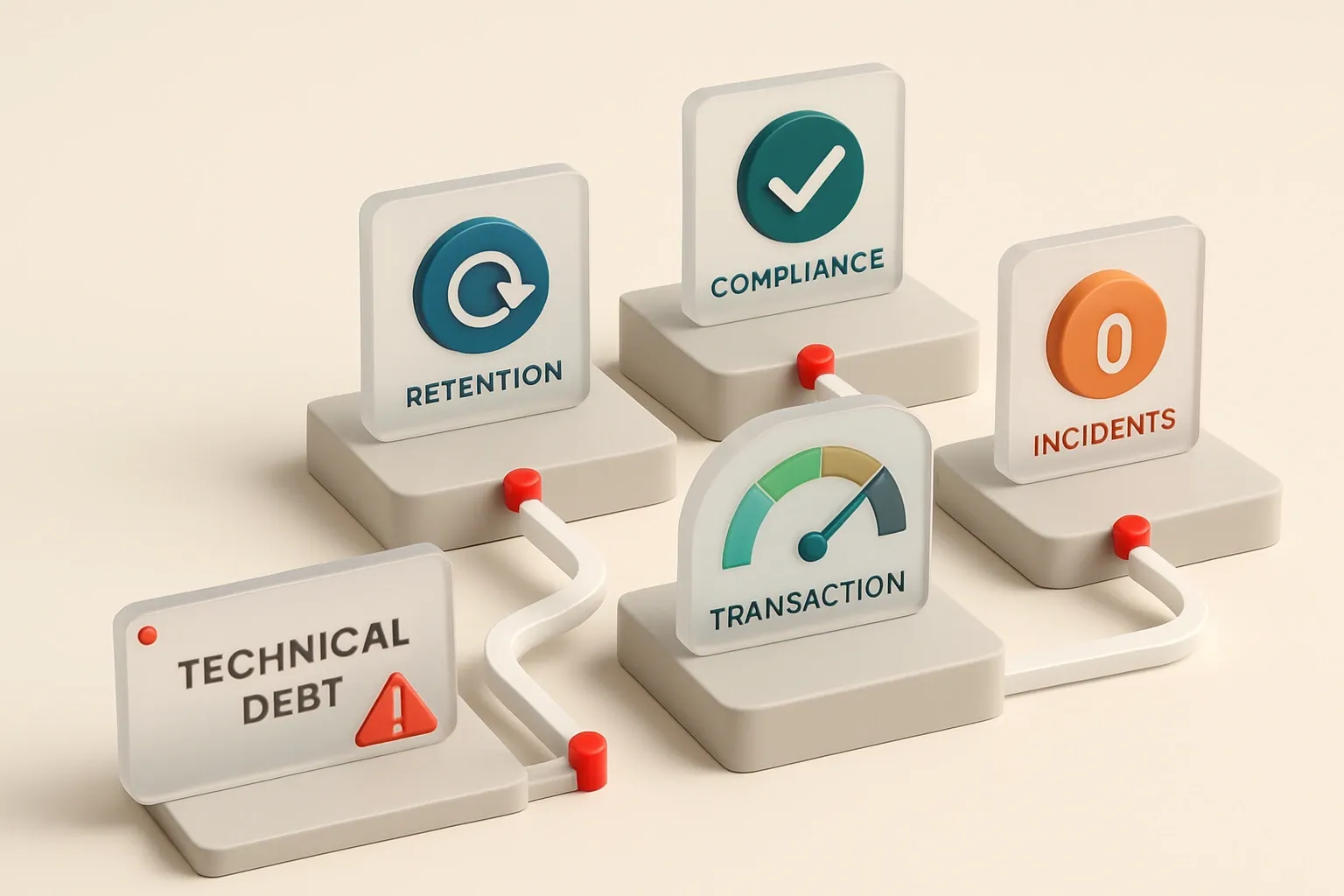
When you approach fintech software developers, ask them if they use an outcome-focused approach to development that involves meeting key milestones. In other words, you need to know that progress — and the payments you make — are directly tied to your business objectives, whether they’re retention targets, transaction volumes, or fintech compliance scores.
Outcome-based fintech application development allows for an iterative approach. Together with your developers, you create joint roadmaps, schedules, reviews, and targets. This method of working allows you to tackle technical debt as and when it rears its head.
A proactive approach to technical debt can reduce reworks by up to 52% compared to retrospective fixes. But it gets better. Data shows that integrating debt mitigation measures into project scopes leads to significantly fewer production incidents.
Here at DigiNeat, we’ve seen what’s possible when an outcome-focused approach to scaling fintech MVPs is used. Modular architecture makes future growth easier and more achievable. Shared accountability gets everyone pushing in the same direction. And iterative fintech development allows for testing, feedback, and tweaking — reducing the risk of nasty surprises down the track.
Even the best laid plans have the potential for failure points. By taking things milestone by milestone, fintech app development teams can turn those potential failures into growth opportunities.
Scale Your Fintech MVP with the Help of Strategic Software Development Partners

At DigiNeat, we’re strategic partners rather than vendors. But what does this mean? Put simply, it means we don’t simply deliver your product and leave you to it. We become fully invested in the long-term success of your fintech platform.
Yes, we deliver fintech MVPs, but we stick around to ensure they deliver at scale. Avoid the pitfalls of scaling your core digital product by reaching out for an initial strategy session with our experienced fintech application development team.