


Why Your Product Team Is Busy Despite Flat Growth
A frenzy of activity doesn’t always translate to a frenzy of downloads and activations. We’ve seen it firsthand. And overwork isn’t to blame. Execution is outpacing strategy. If it continues, your digital product may fail.
To take decisive action, you need to know what’s going on and why. So let’s take a look!
You’re Shipping Features That Aren’t Tied to Growth Outcomes

Adding more and more features isn’t an effective strategy. Take it from us. Hitting schedules and ticking boxes is all well and good, but if your efforts aren’t linked to meaningful growth metrics, what’s the point?
We call these application development projects “feature factories.” They’re far more concerned with cranking out feature after feature without measuring their impact or checking that they’re actually solving customer problems.
So what are the tell-tale signs of a “ feature factory ?” In our experience, they include a lack of post-launch performance tracking, success based on shipping rather than results, no connection to core metrics, and a distinct lack of post-release tweaking.
Before you start thinking about shipping a new feature, ask yourself: “How will this deliver short, medium, and long-term growth?” And when we say “think to yourself,” we mean have the conversation with your team.
Your Software Development Working Culture Views Activity as Progress

Things are happening. Everyone is busy. Story points are being completed, and several releases are being delivered with each sprint. Your app development project has real momentum, right? Well, not necessarily. In our experience, the illusion of momentum takes eyes off the prize.
Don’t fall into the trap of becoming an output-focused team. If your efforts — and resources — aren’t delivering tangible value, you’re all wasting your time.
The need for speed always requires trade-offs, the most destructive of which is an acceptance that quality must take a back seat. Delivering updates and new features at a pace could be hiding the catastrophic stagnation of your digital product.
Don’t focus so much on outcomes. Instead, track user behaviors and key business results. What’s happening to your retention levels? Are your conversion rates ticking upwards? Are your product revenues growing? These are the metrics that really matter when it comes to growth.
Output Is Given Priority Over Outcome
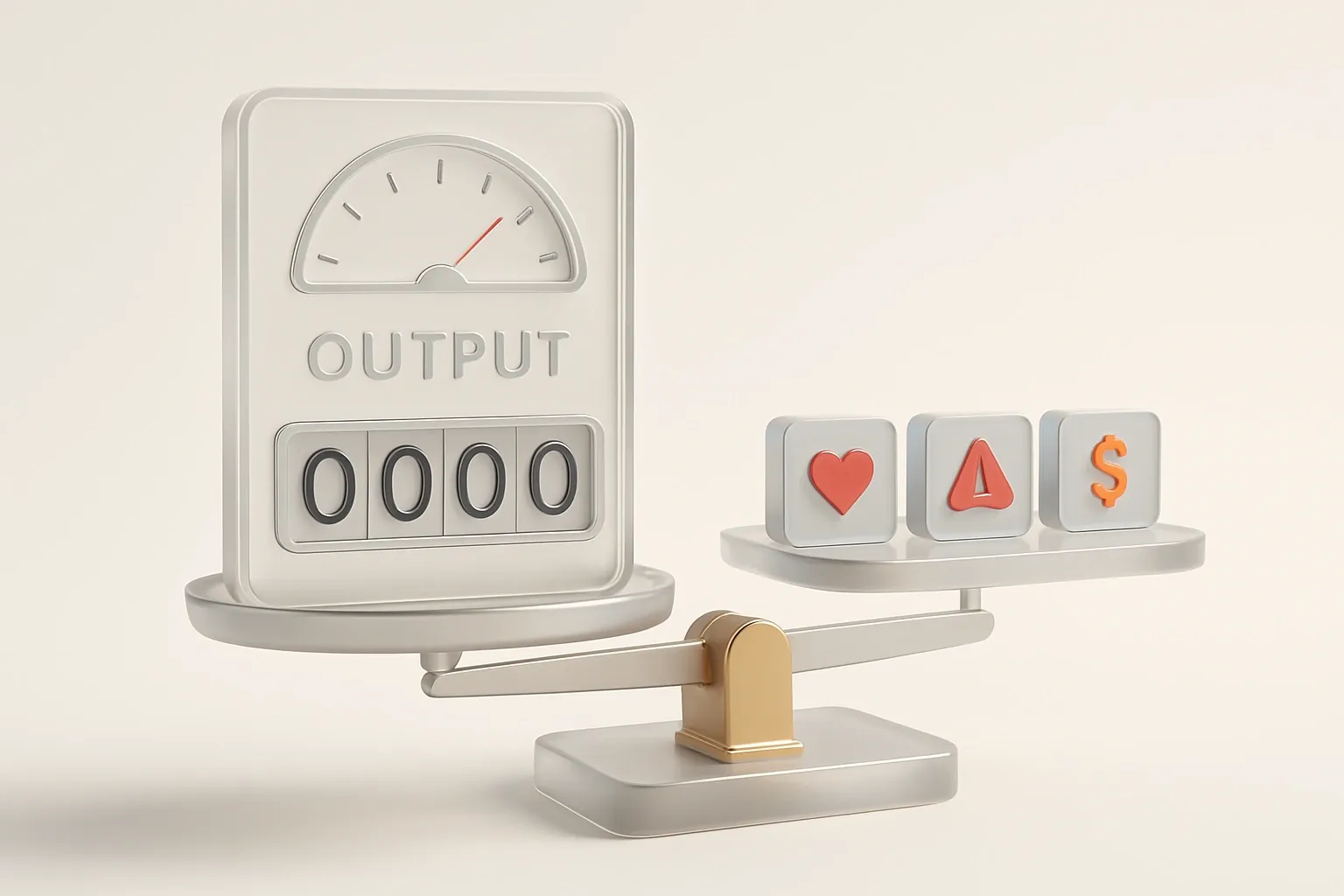
According to a Pendo study, 72% of product managers struggle to prioritize due to pressure to ship quickly rather than focus on quality.
All too often, founders, managers, and software developers are happy to tick boxes and meet deadlines. But these are outcomes that aren’t directly linked to growth metrics.
Yes, hitting targets prevents some very awkward conversations. But all you’re doing is kicking the can down the road. When flatlining product growth starts to harm the commercial viability of your venture, the conversations will be more awkward than ever.
4 Tips for Shifting Application Development Focus from Output to Outcome
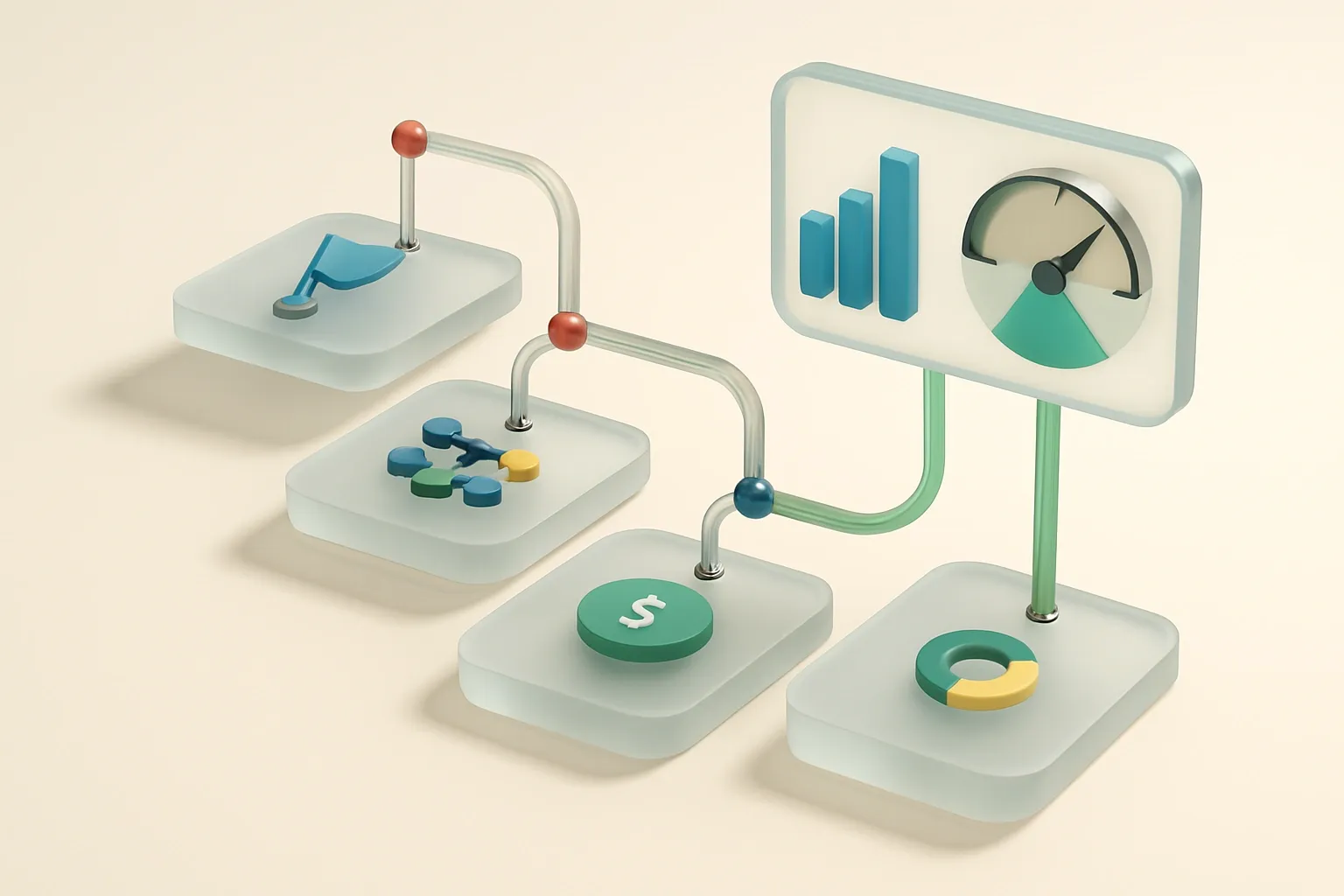
Once you realize there’s a problem within your web development team, you can start working smartly instead of quickly. Here are our tips to help you do just that.
1. Tie Every Feature to Company Goals
Make sure every piece of work is directly linked to your organization’s goals. For example, if your organization is looking for a 20% increase in revenues, demand that each new feature plays a significant role in achieving that objective.
The good news is that things are changing. Product managers are finally prioritizing outcome-based roadmaps rather than feature shipping. Their teams are still as busy as ever, but their efforts are linked to the delivery of key commercial objectives.
2. Prioritize Problem-Solving
Use data-driven scoring that links value to effort. You can get the information you need to draw the necessary conclusions from centralized customer feedback, interviews, and support tickets. Focus your efforts on real problems rather than assumptions based on historical data or standard practices.
3. Focus on ROI
Every time you launch a new feature, track key metrics such as adoption rates, revenue contribution, and churn. This will help your app development team iterate more effectively — and in a way that delivers product growth.
4. Measure the Impact of Your Efforts
Every decision you make, and every task you undertake, should deliver a positive effect on your commercial results.
Regularly review expected versus actual outcomes, as this will help you hone your approach over time. Test, review, repeat; that’s the way you’ll know your launches are addressing real needs. A limited yet focused product roadmap will help you do this.
Turn to an App Development Company That Always Focuses on Outcomes Instead of Output
At DigiNeat, our ethos is always more haste, less speed. Taking the time to measure outcomes and link features to key objectives might feel like it’s slowing things down, but it’s actually doing the opposite.
We aren’t software vendors; we’re application development partners. We don’t succeed until our clients see the growth their products deserve. To develop your next successful application, reach out today to arrange an initial strategy session.