


5 Signs Your CTO Is Underestimating Cybersecurity (and What the CEO Should Do)
It only takes one breach to give you an idea of just how exposed your software and systems are. But then it’s too late. Downtime is costing you a fortune, user trust is crumbling, and the road to recovery is long and arduous. And these are BIG problems in a high-risk industry such as fintech.
When compliance and security issues are nonexistent, it’s easy for false confidence to rear its ugly head. Yes, your monitoring tools can keep you informed, but unless there’s a visible plan to deal with incidents, your entire organization is in danger.
Worried that your CTO may have taken their eye off the cybersecurity ball? Here are five signs that may be the case — along with some fixes we’ve seen deliver results for cybersecurity in software engineering.
1. The CTO Has Monitoring in Place with No Mention of Incident Readiness
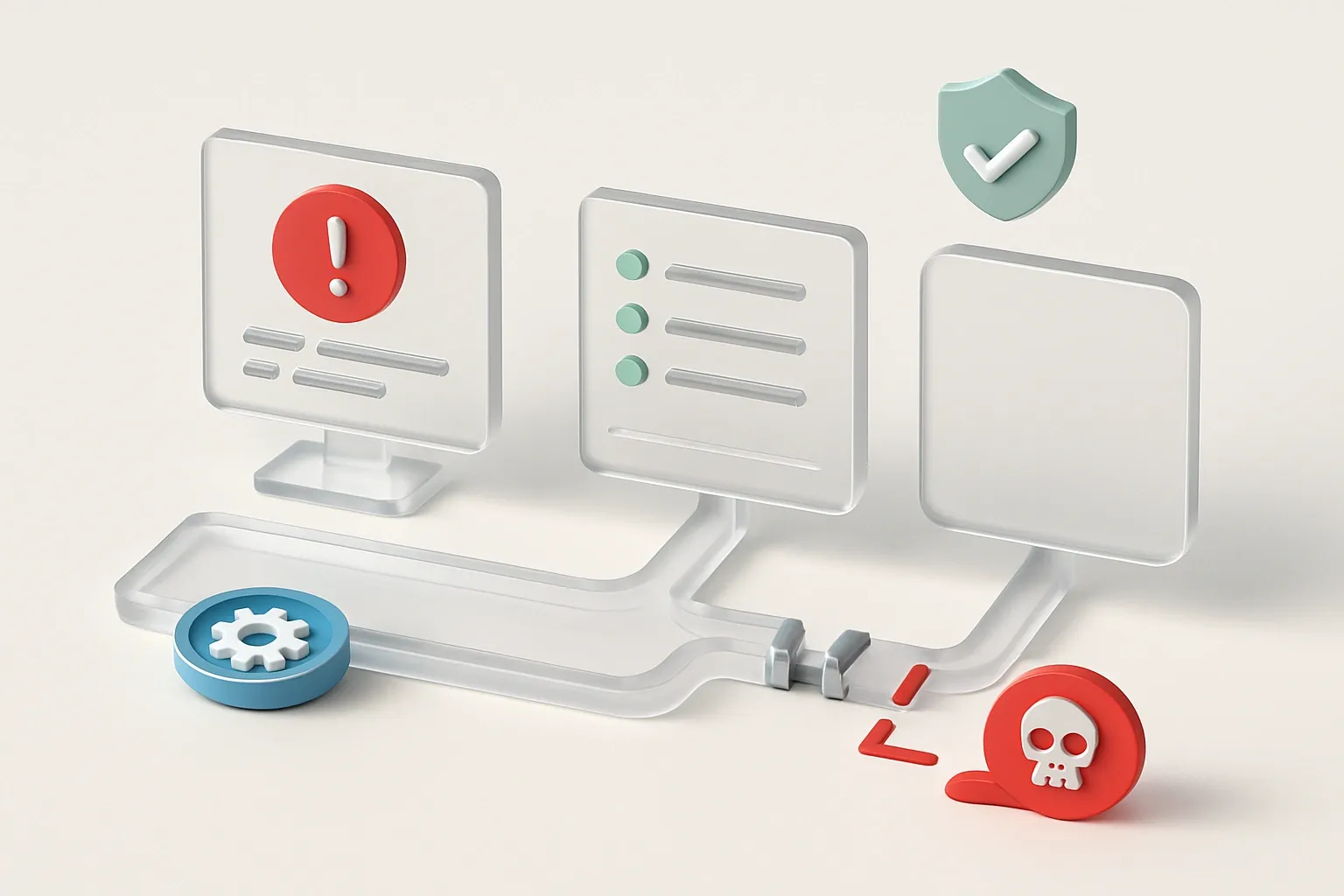
Did you know that organizations with a tested incident response plan save an average of $1.49 million per cyber breach compared to those that don’t test regularly?
Logging data and sending alerts will only get you so far in terms of a robust cybersecurity plan. If your CTO isn’t openly sharing details of a practiced and tested cybersecurity incident response plan, it’s time to start asking questions.
Monitoring just detects issues, but without a plan to deal with them, those issues can quickly escalate and cause catastrophic damage.
What the CEO Should Do
As a CEO, ask your CTO to walk you through their most recent simulated incident response. If they don’t have one, make it a top priority. From there, schedule regular reviews of simulations to ensure timelines, decision rules, and the lessons learned are assessed and documented.
2. Response Times and Containment Plans Aren’t Quantified
Be prepared for every eventuality. Be prepared for the worst. These are the mantras of all good IT specialists and software developers.
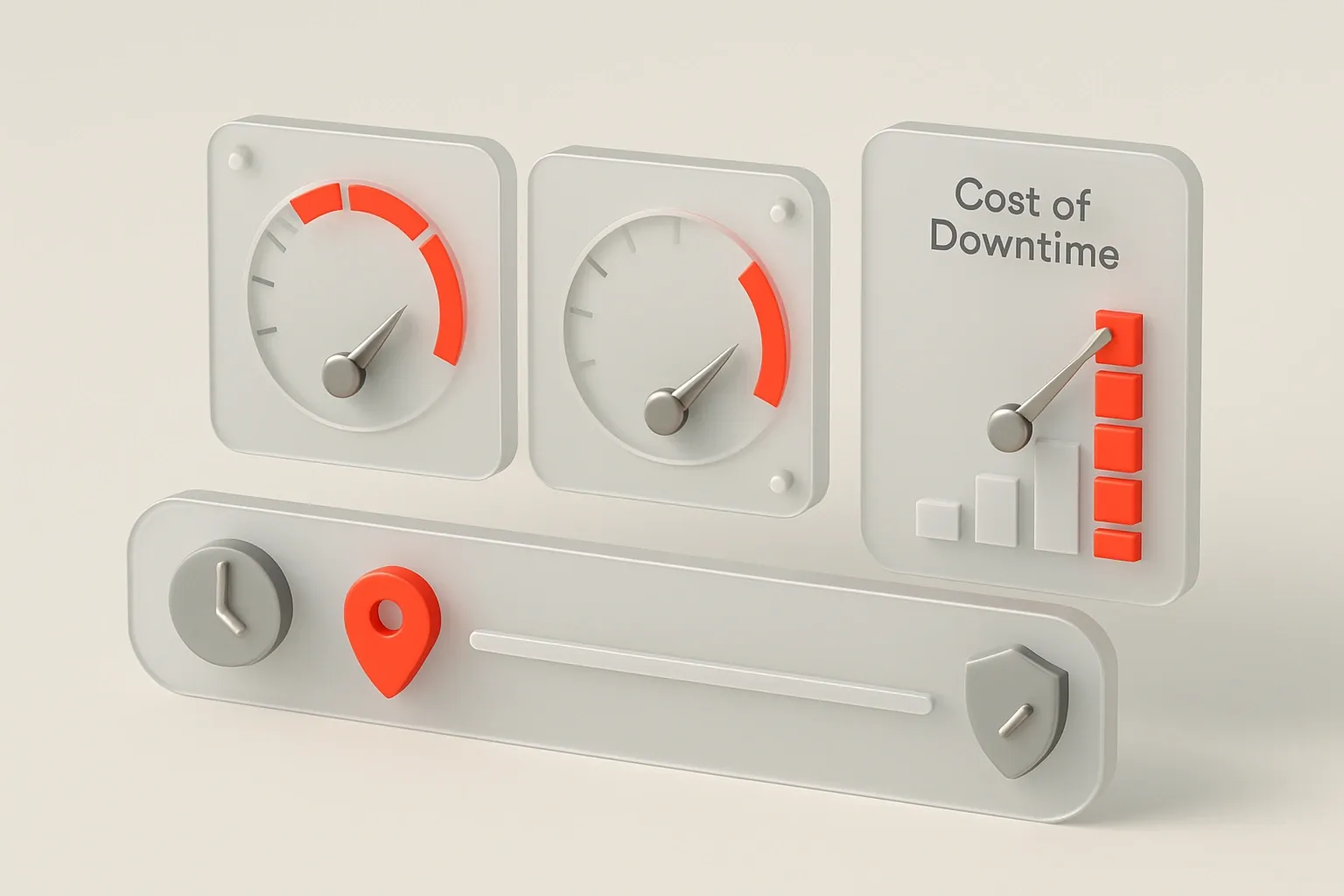
Globally, it takes an average of 241 days to identify and contain a data breach. That’s a long time for damage to escalate and costs to accumulate.
The longer your software or system is exposed, the higher the damage becomes. Your CTO should be able to discuss the specifics of your cybersecurity incident response plan, including mean time-to-detect (MTTD) and mean time-to-contain (MTTC).
What the CEO Should Do
Ask the CTO to report key metrics regularly — quarterly should be the bare minimum. Compare the numbers against industry averages and set improvement targets, even when the results are positive.
3. Executive-Level Simulations Aren’t Frequent — Or Non-Existent
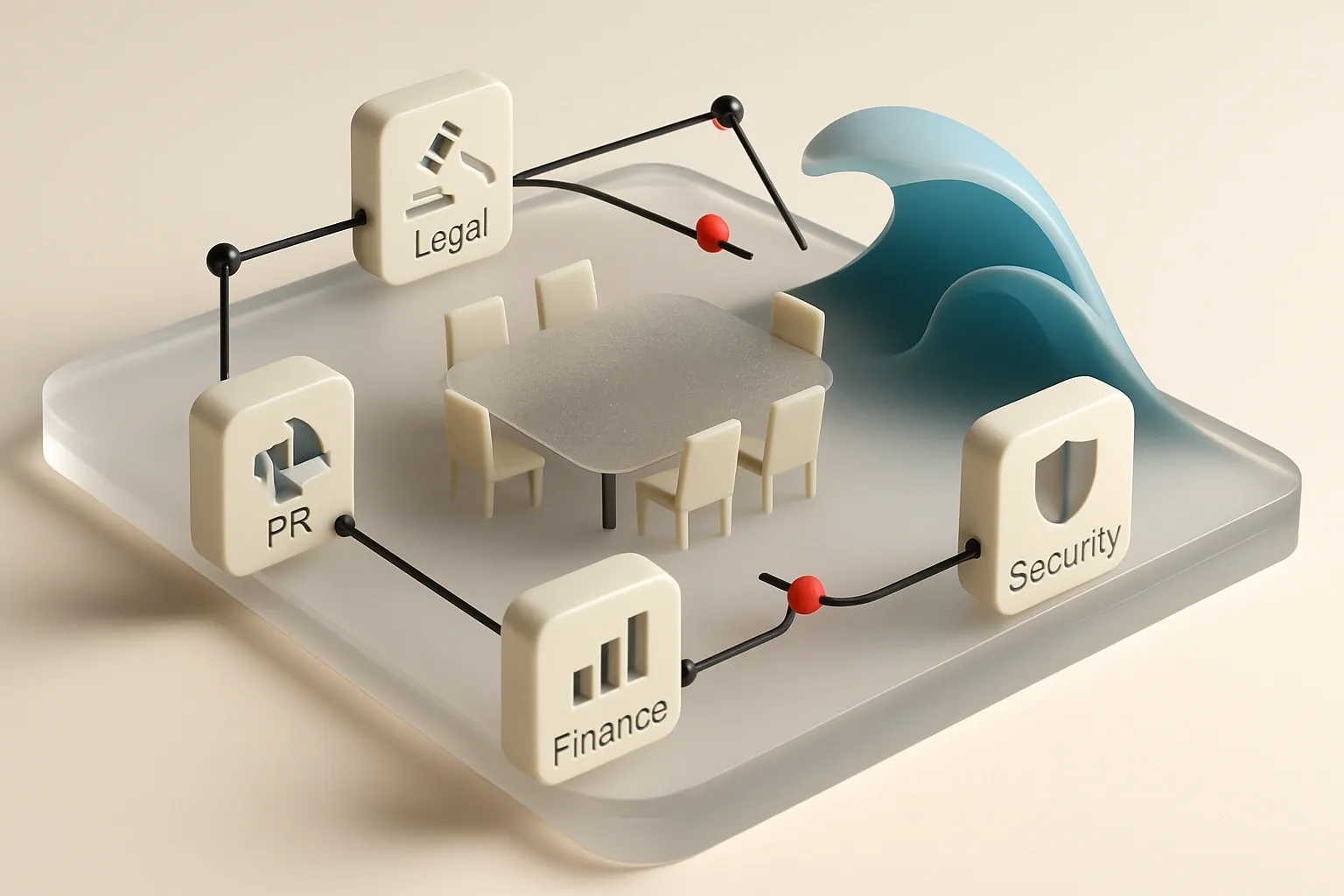
It’s important for leaders to participate in data cybersecurity breaches. While the CTO may argue that technical controls are enough, they can’t be 100% certain until coordination between departments and across hierarchies has been fully tested.
When things go wrong, leaders have to take fast and decisive action. But if these processes haven’t been practiced, delays and missteps can occur when reality bites.
Just less than a third of organizations regularly test their cybersecurity incident response plans. So, more than two-thirds are gravely underprepared for the inevitable chaos caused by breaches.
What the CEO Should Do
Hold regular tabletop exercises — at least biannually. Make sure everyone is involved, including board members, legal representatives, PR personnel, and finance specialists. And make sure you adopt realistic, robust scenarios to identify the inevitable gaps that exist in communications and decision-making.
4. Your Cybersecurity Updates Focus on Budgets and Tools Rather Than Business Impact

Cybersecurity in software engineering should focus on how cybersecurity measures minimize interruptions to operations, maintain user trust, and protect revenues. Unfortunately, we know that too many place the primary focus on new tools, compliance checkboxes, and budgetary concerns.
The average cost of dealing with a major data breach globally was $4.44 million in 2025. The less prepared organizations are, the higher the costs become. And there’s also the costs associated with damaged trust to consider.
What the CEO Should Do
Ensure that the cybersecurity incident response plan goes further than ticking boxes and estimating costs. Reports should include metrics that accurately measure the impact on the business, including continuity metrics, downtime costs, and resilience levels amid robust, real-world scenarios.
It’s also a good idea to link cybersecurity investment to big-picture issues such as stakeholder confidence.
5. Third-Party Risks Aren’t Being Actively Measured
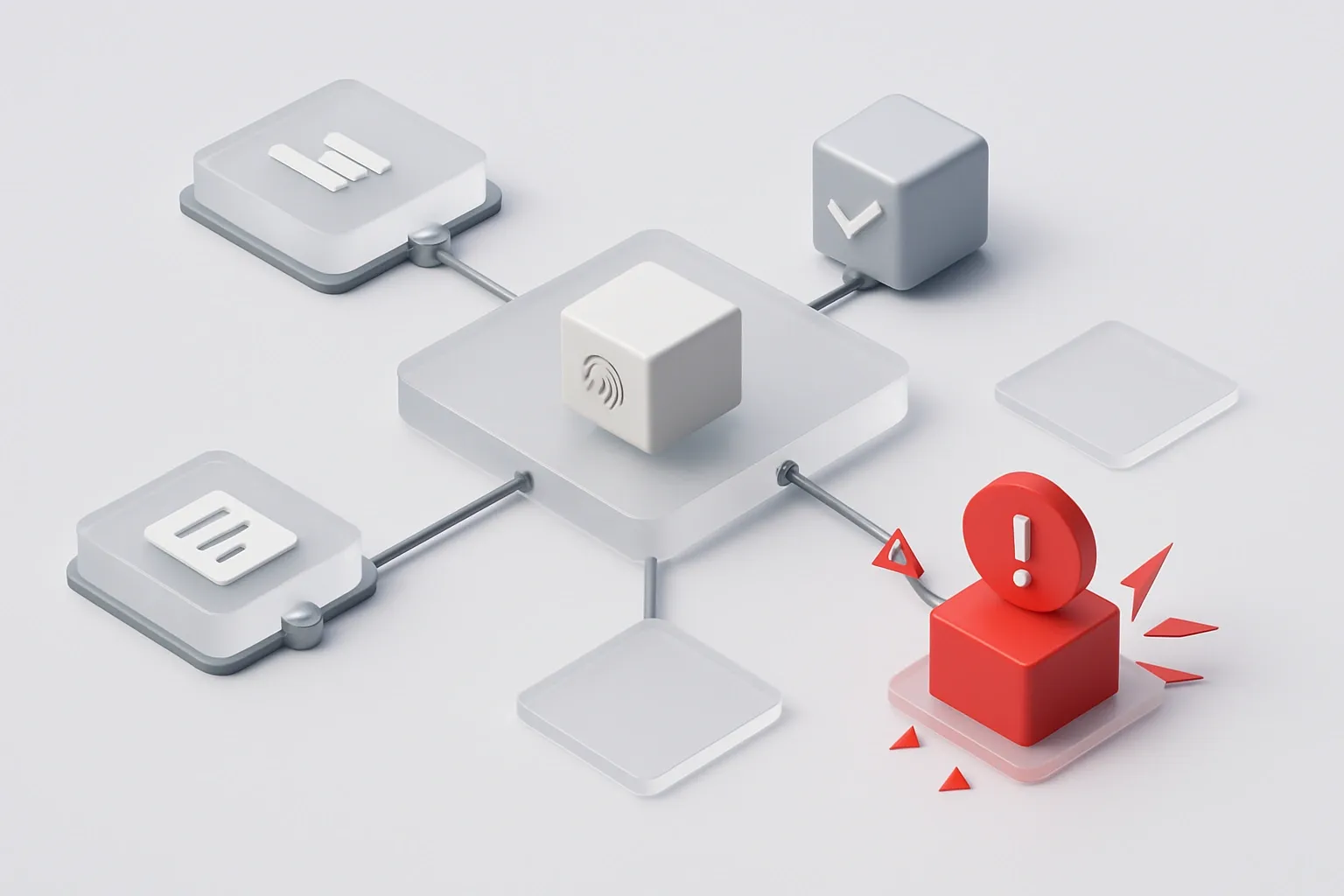
Most CTOS will acknowledge that third-party risks exist — such as those in the supply chain. But there’s often limited visibility when it comes to the access given to suppliers and contractors. The same lack of visibility applies to contracts and incident-sharing procedures.
It’s not enough to acknowledge the cyberthreats posed by third-party suppliers. Third-party vendor and supply chain compromises accounted for 15% of global breaches in 2025, so taking a proactive approach to threat detection is essential.
What the CEO Should Do
Get the CTO to implement a third-party cybersecurity risk program. This should include annual assessments, continuous monitoring, and contractual clauses to ensure incidents are shared quickly and in full.
To make this easier and more effective, the CTO should include supply chain representatives in board-level discussions about cybersecurity.
Take the Proactive Approach to Cybersecurity in Software Development

As an experienced and fully proven software development company, we work with both CTOs and CEOs to ensure their products and processes are fully protected against data breaches.
Unfortunately, the “It’s all under control” approach just isn’t good enough — particularly in high-risk sectors such as fintech. Talk to our software developers about your approach to cybersecurity. Contact us to arrange an initial strategy meeting.
And if you like what you’ve read, like, share, and follow DigiNeat for more software development and cybersecurity tips.