


The True Cost of Feature Bloat
But why do experienced business leaders throw feature after feature at an app when the costs are so high? In our experience, it’s a combination of influence from competitors, customer requests, and a fear of falling behind.
But when it comes to successful SaaS development, less is definitely more.
We call this phenomenon feature bloat, and it’s a silent killer of countless high-profile software development projects. When it strikes, development cycles extend, user experiences are fragmented, and costs are raised. But it doesn’t have to be this way.
When we develop SaaS, avoiding feature bloat is always a top priority. Let’s examine the reasons why.
What Is Feature Bloat?

Let’s start with a formal definition. Feature bloat refers to unused code and features that waste resources, potentially degrading performance.
Sounds counterintuitive, right? The bigger and “better” you make your SaaS app, the less well it performs. While this isn’t always the case, it’s definitely a serious issue in SaaS software development right now.
Let’s use an analogy to make the point. Imagine you’re going for a long hike. It’s your favorite way to pass the time, and you want to make the experience unforgettable. So, you pack your rucksack with a range of tools, aids, foods, drinks, and paraphernalia.
But after just a mile or two, your back is buckling under the weight of your bag. You’re struggling to walk in a straight line. All of a sudden, your favorite pastime is becoming a rather unpleasant endurance test.
SaaS apps are like hiking rucksacks: The more that’s stuffed into them, the harder it is for users to reap their benefits.
This phenomenon is particularly lethal for early-stage SaaS companies. With limited resources, tight runways, and an urgent need for rapid validation, founders cannot afford distractions.
Excessive Features Confuse Users and Harm Usability

You might hear it called the “paradox of voice.” While having plenty of features to choose from might sound amazing, it can quickly lead to decision paralysis. There’s more for users to understand, and onboarding can become a hard slog.
The result? Many users simply don’t have the time or patience to invest in your app. Higher churn rates and lower satisfaction rates due to feature bloat have killed countless SaaS development projects over the years.
Unnecessary Complexity Causes Serious Development Delays

Every time you decide to throw another feature at a SaaS software application development project, you add dependencies. You increase the amount of testing required. You increase the amount of integration needed.
When we develop SaaS at DigiNeat, it’s always a multidisciplinary team effort. When there’s a clear plan in place with a limited and focused scope, everything runs like a well-oiled machine. But when features are continually added during the process, the team’s attention has to be split. And that’s not good for the overall productivity of a SaaS development project.
Rushed or poorly integrated additions add to the technical debt of the project — the messy code that must be fixed further down the line. A 2018 study of software developers found that technical debt causes them to waste an average of 23% of their development time, often on extra testing and rework. And time is money in the SaaS development game!
Why Your Version One Must Focus Ruthlessly on Core Value

Our advice is to start your SaaS application by perfecting one function. Avoid the temptation to solve multiple problems at the same time. Countless client anecdotes tell us that this particular temptation can derail projects before they start delivering a return.
Keep your focus sharp. Deliver value. Build loyalty. Once your application is up and running, your users will tell you what’s needed and what should come next. Listen to them!
Slack started life as an internal team communication tool. Zoom started with simplified video calling. Calendly began as a link-based scheduling tool. What do all of these applications have in common? They launched with a narrow yet clearly defined scope.
When you build for everyone, you run the risk of spreading your resources too thinly. And more often than not, that leads to generic products that fail to gain traction.
The Power of Disciplined Scoping in Building a Focused MVP

Disciplined scoping is essential when you develop SaaS. Start with clear boundaries from the outset. Decide what’s non-negotiable today and what can wait until tomorrow.
Here at DigiNeat, we work in partnership with our clients. From planning to delivery, everything we do together is designed to keep the project focused and limited in scope. But how do we do this?
We start by mapping the entire use journey. What’s the primary problem we’re solving? What are the steps required to solve it? What is the smallest set of features needed to deliver a user-friendly solution?
Then, we base our scoping decisions on early feedback from research and customer interviews. Validating the problem rigorously ensures the initial MVP identifies and tackles a genuine pain point.
Tight scoping safeguards the founder’s original vision, prevents dilution from distractions, and keeps the team on the same page. But uncontrolled SaaS development scope and multiple changes, according to one study, form the recipe for delays and project overruns.
Accelerate Product-Market Fit Through Prioritization and Validation

Take it from us when we say that a lead SaaS product allows for tighter, faster feedback loops. Testing is quicker and simpler as a result. This makes life easier when we identify areas that require iteration.
What is driving user retention? What’s responsible for most of the revenue? Once we know the answers to these questions, we double down on delivering the features that will bring success. Without this approach, you run the risk of developing a SaaS application that no one wants.
When we’re asked how to build SaaS, we say prioritize ruthlessly. Pour the vast majority of your time, money, and effort into the small number of features that deliver the most value. These are always the features that solve significant problems for users.
Adopt Outcome-Based Development and Metric-Driven Decisions

Try not to think in terms of “building features” when you build a SaaS platform. Instead, focus everything on the delivery of specific outcomes.
So, before you even think about coding or any of the dozens of tasks required to develop SaaS products, define what success looks like. What specific and measurable change will tell you and your team that your efforts and investment have succeeded?
Once you know what delivers value, make those areas your priority. Track usage analytics, retention rates, and feature adoption throughout the project. Your audience will tell you where success lies — listen to it!
The Cost-Effective Way to Avoid Feature Bloat in SaaS Development
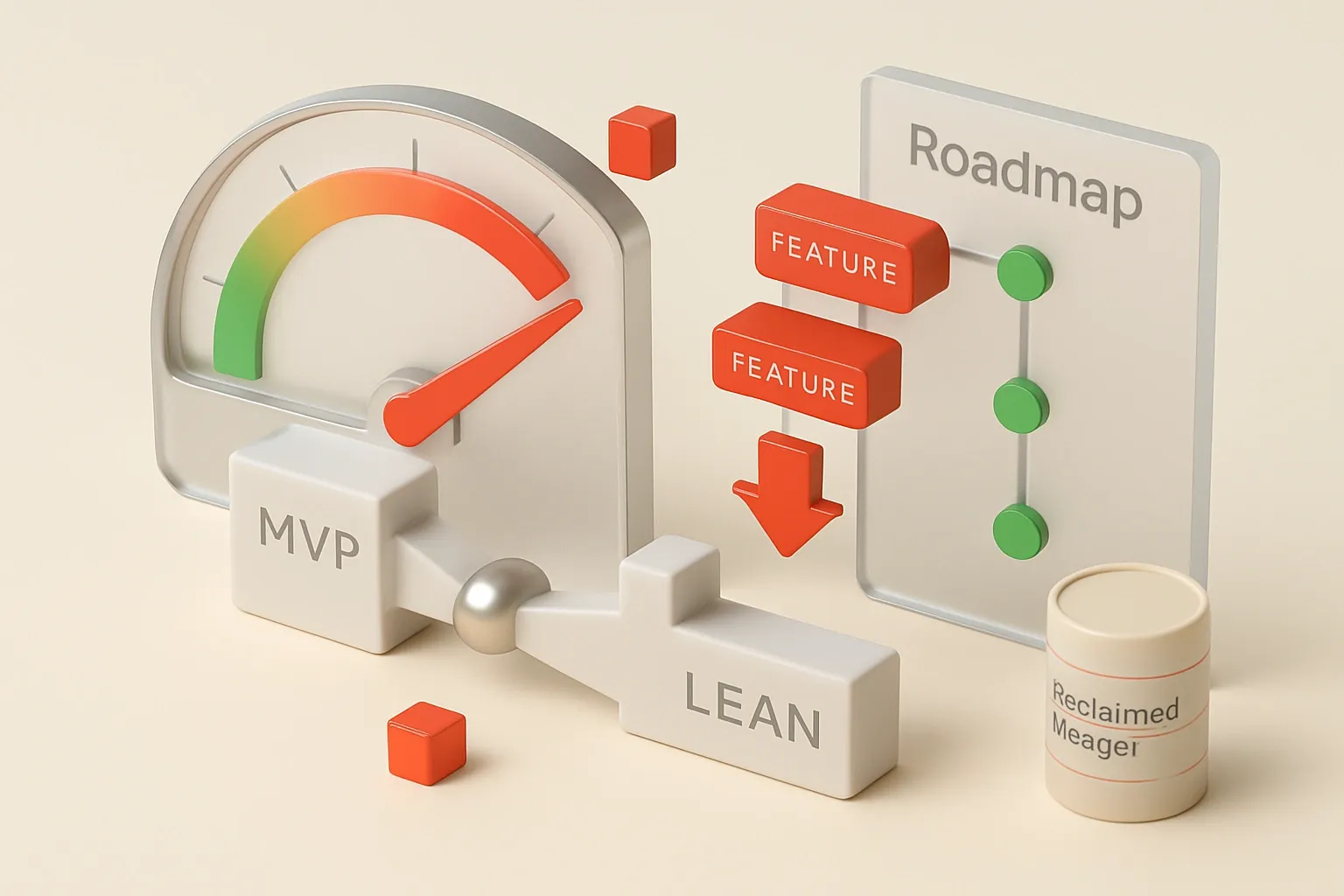
Feature bloat doesn’t have to derail your SaaS journey. By committing to disciplined scoping, ruthless prioritization, and outcome-based decisions from day one, you can build a lean product that retains users deeply and scales sustainably.
Avoid the hidden costs that could sink your SaaS development project before it has the chance to wow your target audience by choosing DigiNeat as your strategic software development partner.
We’ll define a focused MVP, map a clear path to product-market fit, and refine your roadmap to eliminate unnecessary complexity. Contact us today to arrange an initial strategy session.