

Legacy Core Blocking Your Digital Product Launch? 5 Steps to Avoid Losing Market Share
The facts are simple: legacy cores eat budgets and slow software development projects to a snail’s pace. Only by modernizing can founders, owners, and managers avoid delayed launches, frustrated workforces, and lost opportunities.
With all this in mind, we thought we’d give you a breakdown of the five steps you can take to modernize your existing, outdated core and avoid the permanent loss of market share.
1. Find Out What’s Hurting Your Business Most

A recent report revealed that 75% of banks say that their outdated core system prevents them from launching new services. At a time when the competition for fintech and banking customers is fiercer than ever, this scenario is unsustainable for even the most established platforms.
You need to get to the bottom of your legacy core problem before you can take the necessary steps to modernize. So, start with a review. Identify the parts of the existing system that are responsible for the biggest obstacles to new products.
In our experience, legacy cores aren’t conducive to launching instant payments, personalized offers, and effective API integrations. Next, calculate the money you think the issue is costing your business. This will help you create a sound business plan for bringing your core into the 21st century.
2. Update Your Core Gradually

Too many founders and management teams discard their old systems in one go. In our experience, that’s a big mistake. Taking such a drastic approach can lead to spiralling costs, software development delays, and catastrophic service disruption.
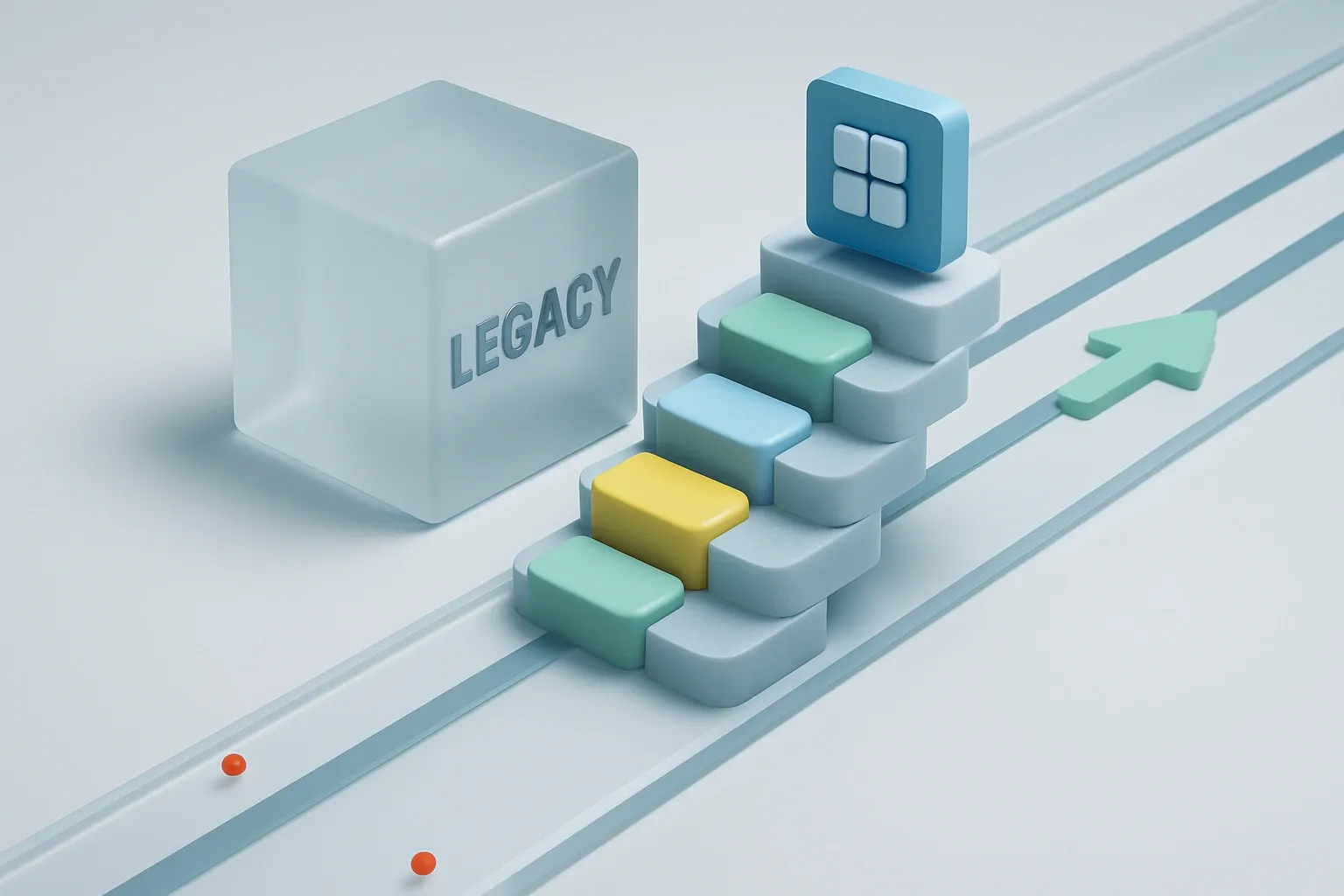
Take a more iterative approach to core development, instead. Build your new systems alongside the old. While your old core continues handling everyday tasks, allow your new features and products to run on the latest software. This approach should allow you to launch new products more quickly and with less chance of encountering serious problems.
3. Make Vital information Accessible Via Simple Connections

Companies that use the simple approach to establishing connections reduce product launch lead times by 30 to 50% . Simplicity is the key to a swift and successful launch, so always err on the side of what’s easiest.
Apply simple yet secure connections to make sure your apps, websites, and new services can easily access the data they need. The best software development services always ensure that data such as customer names, profiles, account balances, and recent transactions can be harvested from legacy cores with ease.
Prioritize the most useful connections. These will be the ones that ensure your high-priority products reach the market quickly.
4. Switch to Modular, Cloud-Based Building Blocks

Good software development involves setting up digital products in a way that makes them easy to update, improve, and expand in the future. If processes such as payments, login, security, customer reports, and analytics are standalone modules, you can work on them without affecting the rest of your platform. That’s great news for retention rates and revenues.
Stick to modern cloud services that can scale up and down with the ebb and flow of demand. This won’t just make updates quicker and safer, but it will also help you test changes quickly when you have built-in tools at your disposal.
Making the switch to modular architecture is essential if you’re going to keep up with the most advanced digital products in your niche. With the software developers by your side — working as strategic, long-term partners — you’ll be able to roll out improvements and expansions in days and weeks, rather than months and years.
The more you ditch elements of your legacy core, the faster you’ll be able to test new ideas, act on customer feedback, and scale without the worry of slowdowns and expensive reworks.
5. Start Small and Build

According to a recent report, firms that take a step-by-step approach to core development save between 38% and 52% on running costs . The more you take on at the beginning, the more you’ll have to rework if things don’t go your way. And the more expensive the entire endeavor will become. Start small, and target real momentum.
Build your new features or services using the tips listed above. Start with the most important or impactful. This is usually the one customers are clamoring for. Track how quickly the process took, and gauge the response of users. Make sure you share the results with all stakeholders to reinforce ownership across the team.
How much faster are your launches now? How much additional revenue are they delivering? How have software development costs been affected? Share the answers in regular team meetings, monitor progress, and work collaboratively to solve any roadblocks in your way.
Don’t make the mistake of taking everything on at the same time. This will put everyone under pressure, and the results won’t be what you’re looking for. Instead, try to make updating your legacy core an everyday part of running your business.
Proven Software Development Services Update Legacy Cores the Right Way

At DigiNeat, we’ve seen firsthand how the steps listed above can deliver results — for even the oldest, most outdated cores. When you partner with us, you enter into a strategic, long-term development project . We won’t just cut and run once we’ve delivered an objective.
Contact us today to organize a free strategy session , and take the first step to delivering more successful product launches by updating your legacy core.