


Why Most FinTech Products Fail at Scale (And How to Build for Growth From Day One)
If you’re involved in a fintech software development project, the odds are stacked against you. But why? You’ve got a killer concept, your market needs your solution, and you have a great team. Why are the chances of success so small?
In our experience, one of the main reasons for the failure of fintech app design projects is an inability to scale. But as you’re about to find out, knowing how to scale properly could swing the odds in your favor.
The Main Reasons for the Failure of Fintech Products at Scale
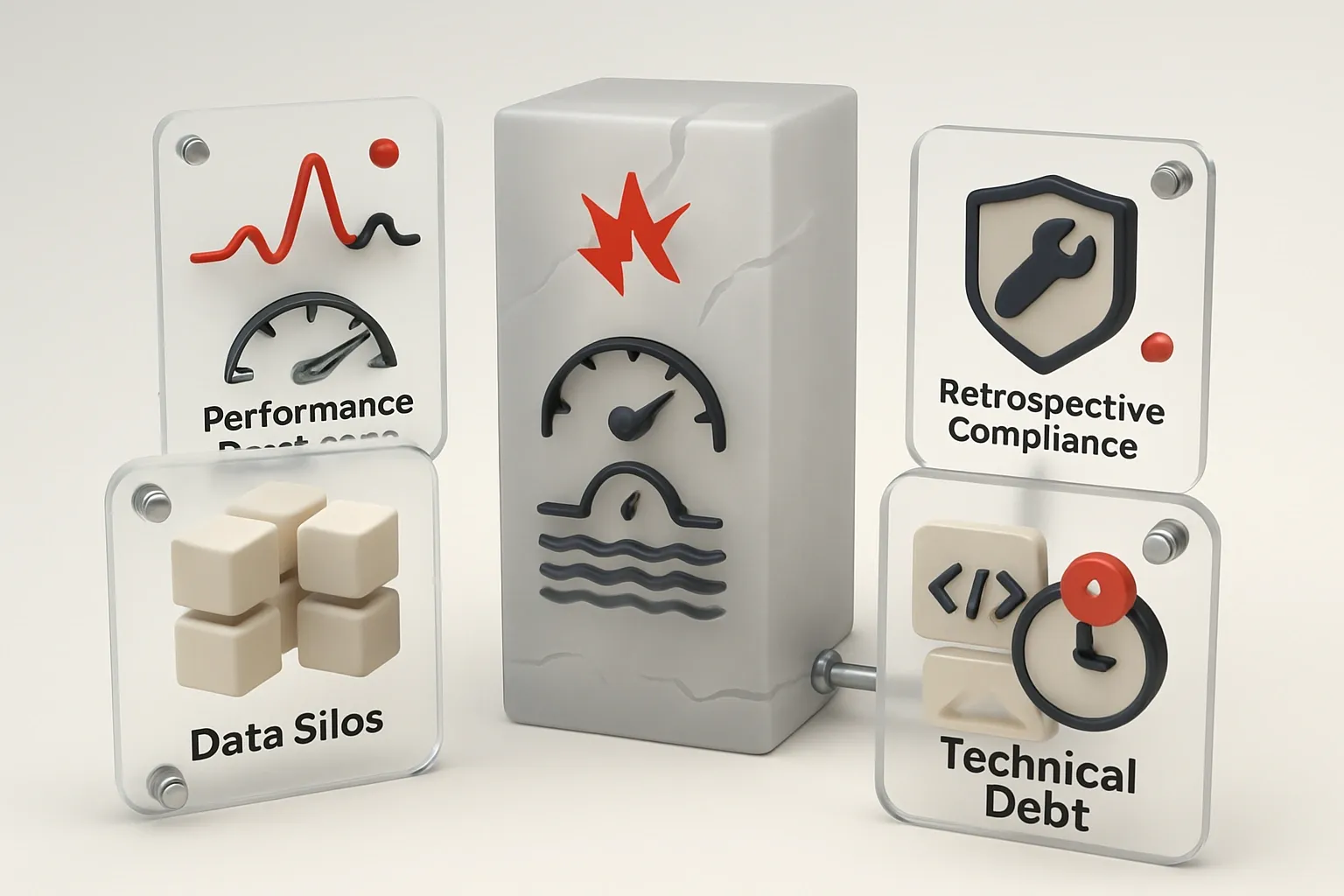
The average fintech app design project has a range of difficult challenges to navigate. Handling sensitive data, managing real-time transactions, and negotiating evolving regulations can all make the process a logistical nightmare. And that nightmare can heighten in its intensity when you begin to develop and grow your base applications.
In our experience at DigiNeat, here are the main reasons for the failure of fintech software at scale:
Monolithic Architecture
Monolithic architecture delivers fast and effective results for MVPs, but it can be fragile at scale. This can increase downtime during spikes, slow updates to a crawl, and increase development costs due to refactoring.
Performance Breakdowns
A wide range of issues has the potential to affect your app’s performance, including traffic surges, market volatility, and integrations. Without proper planning and good decision-making, low transaction, outages, and lost trust ensue. And they’re never good for business.
Data Silos
Inaccurate reporting, delayed fraud detection, and reconciliation errors occur when data is fragmented. A clear product roadmap, the right architecture, and buy-in from all stakeholders can eradicate these issues before they have a chance to derail your fintech app development project.
Retrospective Compliance
Don’t cut corners on compliance. You might be tempted to leave such issues until you’re ready to scale, but this can lead to very expensive retrofits, fines, lost trust, and customer service issues.
58% of international expansions fail due to compliance breakdowns. Team up with proven software developers with a record of delivering in the fintech space to avoid such calamities.
Accumulation of Technical Debt
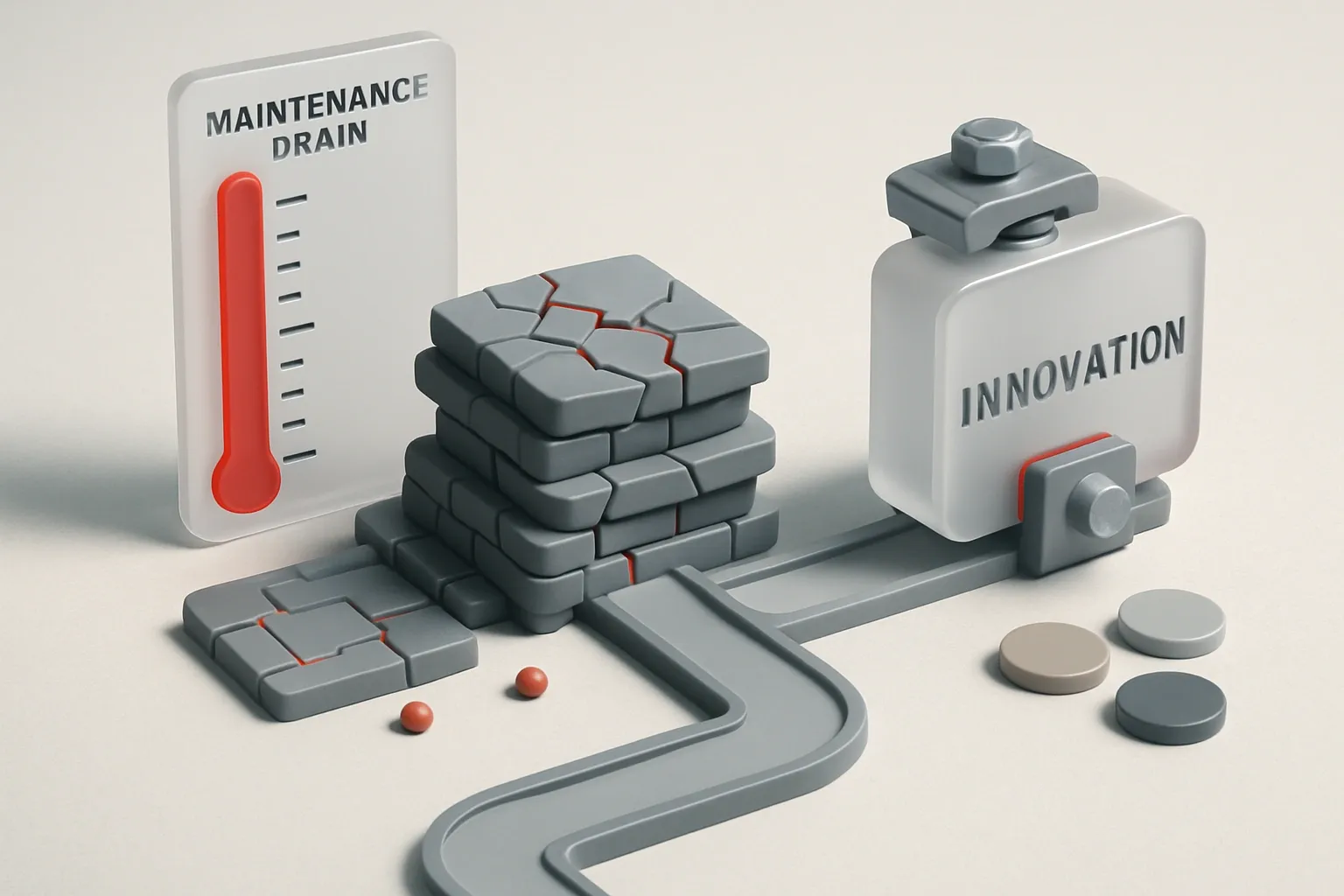
Early shortcuts consume in excess of 30% of engineering time on fixes, stalling innovation and forcing rebuilds.
The Destructive Cost of Rectifying Early Mistakes
It’s very tempting to cut corners and costs to get an MVP to market at the earliest opportunity. It’s also completely understandable. If you’re not first with a great idea, the chances of delivering a successful fintech software development project aren’t good.
But still, founders look for shortcuts in architecture, compliance, and code quality. And you don’t really suffer the consequences of these early mistakes until your product starts to grow. Technical debt drains resources. It really is that simple.
JetBrains' 2025 State of Developer Ecosystem Report revealed that technical managers want nearly twice as much investment in reducing technical debt compared to what companies currently deliver. This is a clear example of how technical debt hampers productivity, innovation, and developer satisfaction.
Technical debt is bad for any app development project, but it’s particularly troublesome for fintech projects. While more organized developers are innovating, those who take early shortcuts are left firefighting — wasting precious hours on maintenance and retrofits.
Nail Your Architecture Decisions from Day One

The architecture you choose right at the start of your fintech app design project can determine whether or not your application succeeds at scale. Choose wisely, and your fintech app will scale seamlessly, affordably, and with minimal need for fixes and retrofits.
So, what’s the best option? Monolith? Modular? Cloud-native? Event-driven? Make the wrong decision, and you’ll be locked into a rigid system that struggles with traffic surges, future integrations, and regulatory changes. You’ll be forced into expensive rebuilds, which may make your fintech application unviable at scale.
Nearly half of backend developers have adopted microservices as their foundational architecture of choice. This is a clear indication of just how powerful and flexible modular, cloud-native architectures are. They’re everything you could need for a successful fintech app design. They’re resilient, scalable, and capable of handling big traffic surges.
Choose the right path, and your architecture can do wonders for the future viability of your fintech application:
- Cheap horizontal scaling without downtime
- Easy addition of markets, partners, or providers
- Built-in auditability and regulatory adaptability
- Security and compliance embedded from the start
Reduce the Risk of Failure at Scale with Outcome-Based Fintech App Development

There is a great way to escape the many traps in your way when you take on a fintech software development project. Technical debt, compliance retrofits, and fragile architecture can all be avoided with an outcome-focused approach that breaks the process down into clear milestones linked to measurable goals.
Decide your goal right from the start. You may want to achieve an audit-ready compliance framework. You might want to handle 10 times the traffic of your nearest competitor with zero downtime. An experienced fintech app development team will help you identify and set measurable goals, allowing you to reap the various benefits:
Detect Risks Early
Don’t wait until you’ve blown your entire budget on fintech app design before identifying issues and rectifying them. This is the expensive, time-consuming process option, and it could destroy your brand before it really gets started.
Evolve Your Architecture Incrementally
Build individual components gradually. Make sure they work and that they add value to your fintech application before moving on to the next milestone. This approach will help you avoid large-scale rebuilds when you begin scaling.
Add the Element of Predictability to Fintech Software Development
Don’t get ahead of yourself — or your stakeholders. Assess each milestone as a team. Make sure all concerns are addressed and that everyone is on board. This is the best way to ensure “nasty surprises” don’t dent the confidence of investors.
Reduce Long-Term Development Costs
Outcome-based fintech app design catches debt early. Clearly defined fintech app development milestones lead to an increased chance of on-time completion, enhanced accuracy, and improved overall outcomes at scale. And there’s evidence to back up this claim!
What’s the Secret to Fintech App Development Success at Scale?
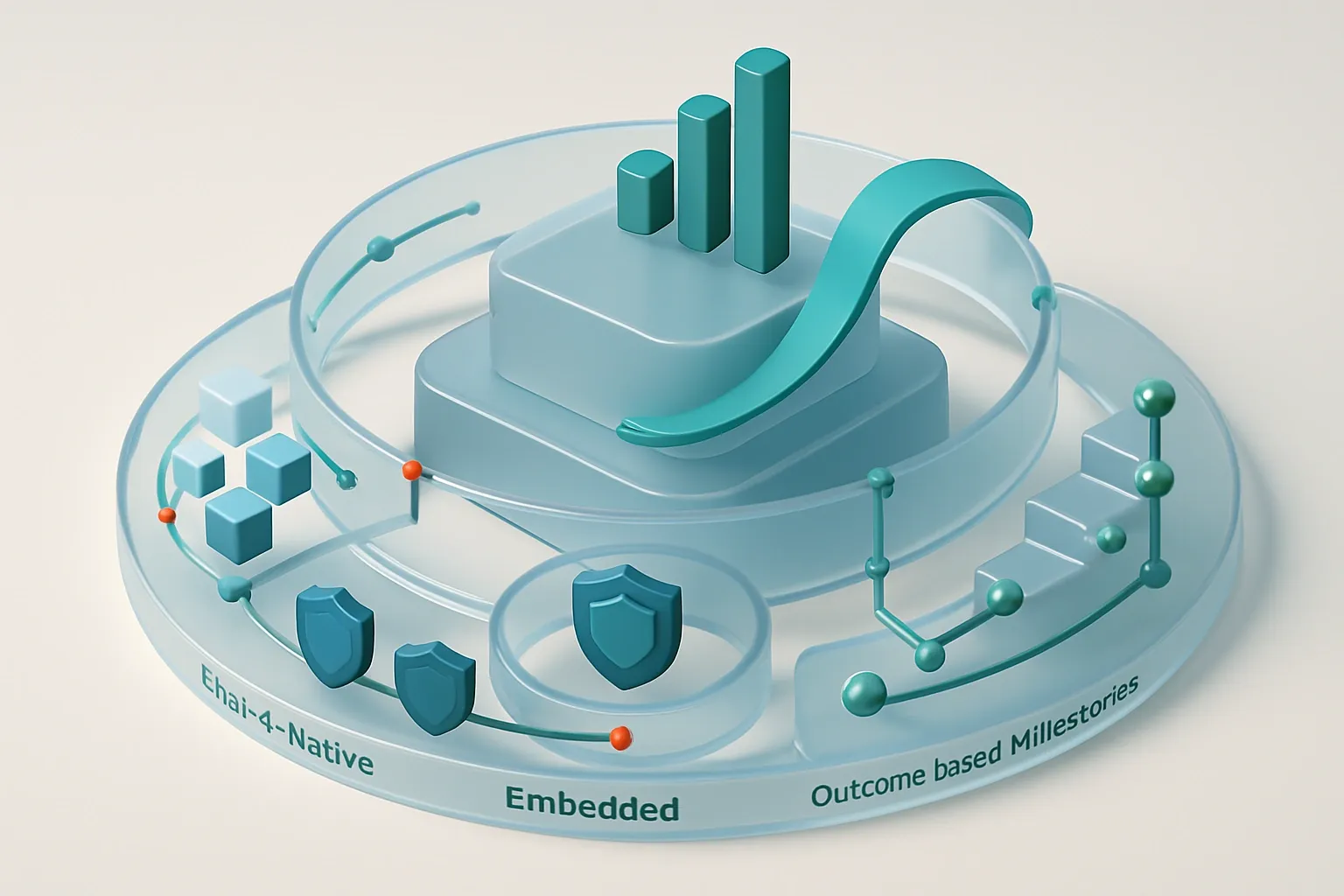
When we started writing this post, we didn’t need to do any research to reach this conclusion: Outcome-based development combined with modular, cloud-native design and in-built compliance gives fintech products the best possible chance of success at scale.
Don’t cap your fintech app’s growth by making needless errors right at the beginning of the software development process. With DigiNeat as your strategic partners, you get a resilient, compliant path that makes scaling further down the line seamless. Reach out today for a free strategy call.