
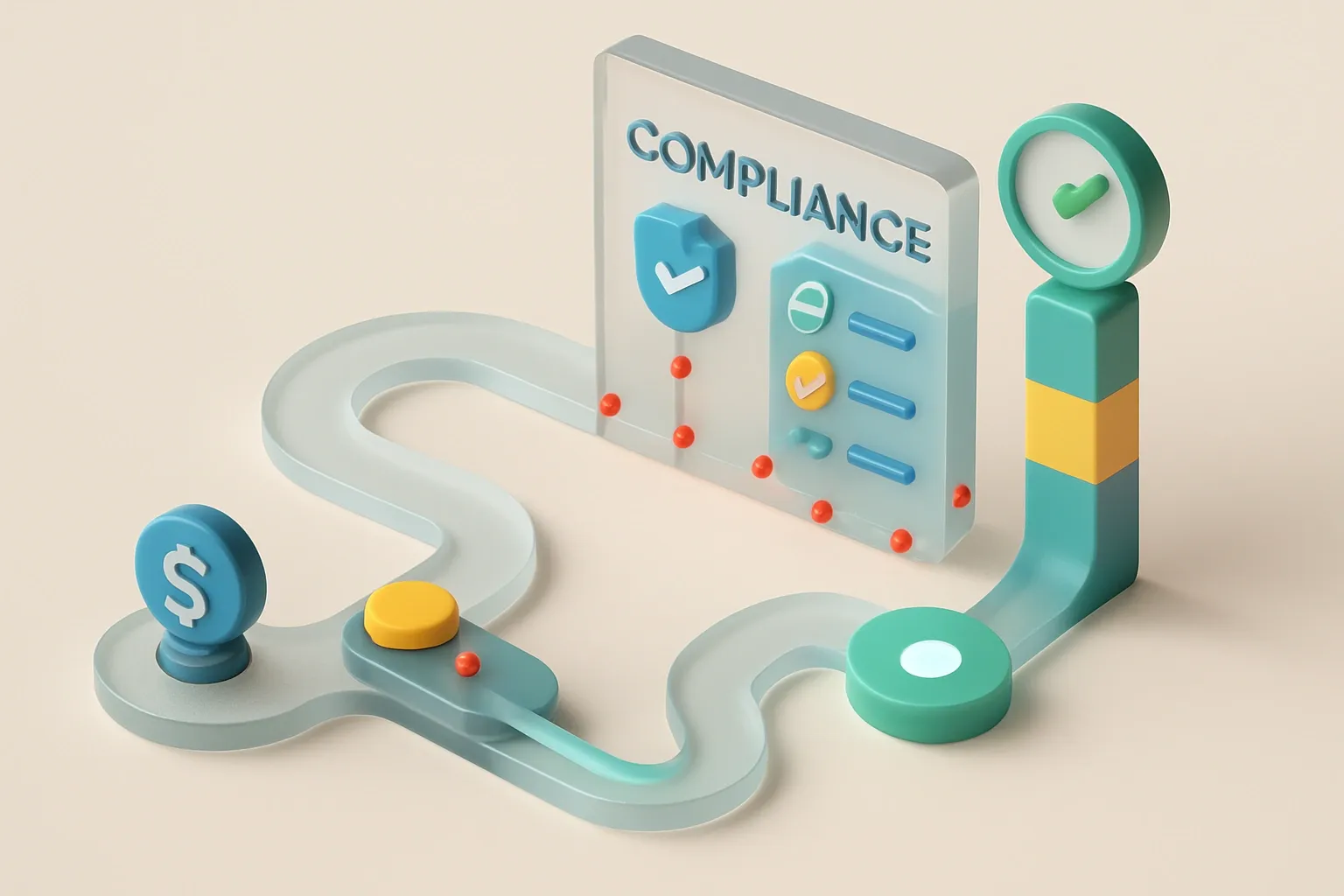

Why Financial Products Should Be Designed for Users, Not Just Compliance
But you don’t need to treat both issues as two separate entities during the fintech software development process. In the hands of a capable fintech developer , compliance and usability go hand in hand — they’re inherent in every element and throughout the entire journey. One can’t fully exist without the other.
Fintech compliance often comes from great UX design. And when it happens, completion rates soar, data is more accurate, and errors become less frequent.
Giving compliance and the user experience equal weighting, in our experience, always pays off. Let’s examine the reasons why.
The Common FinTech Compromises (We Prefer to Call Them Compliance Traps

The consequences of getting compliance issues wrong are catastrophic in the fintech sector. That’s why so many fintech application development teams prioritize regulatory compliance above all else. But all too often, the user’s experience is sacrificed. And this leads to the kind of frustration that hurts both adoption and retention rates.
In this case, you really can have your cake AND eat it. You can deliver a smooth, seamless user experience while complying with all your regulatory obligations.
As seasoned fintech developers, let’s just say we’ve been around the block once or twice. We’ve seen founders and developers focusing solely on compliance, leading to the following consequences:
- Overloading screens with lengthy legal disclosures and warnings
- Multi-step KYC/AML flows without clear progress or context
- Complex jargon that confuses users
- Excessive confirmation steps “just in case”
- One-size-fits-all processes ignore user risk or context
Yes, the fintech apps that cover all their compliance bases thoroughly avoid fines, but they don’t avoid the ire of their users. High friction means low adoption. It really is that simple.
Onboarding, in particular, can be seriously affected by the sacrifice of user experience for compliance. Drop-off rates in fintech land anywhere between 20% and 80% when compliance-heavy processes, such as KYC, are given too much prominence.
Usability Really Can Improve Compliance — with the Right Approach
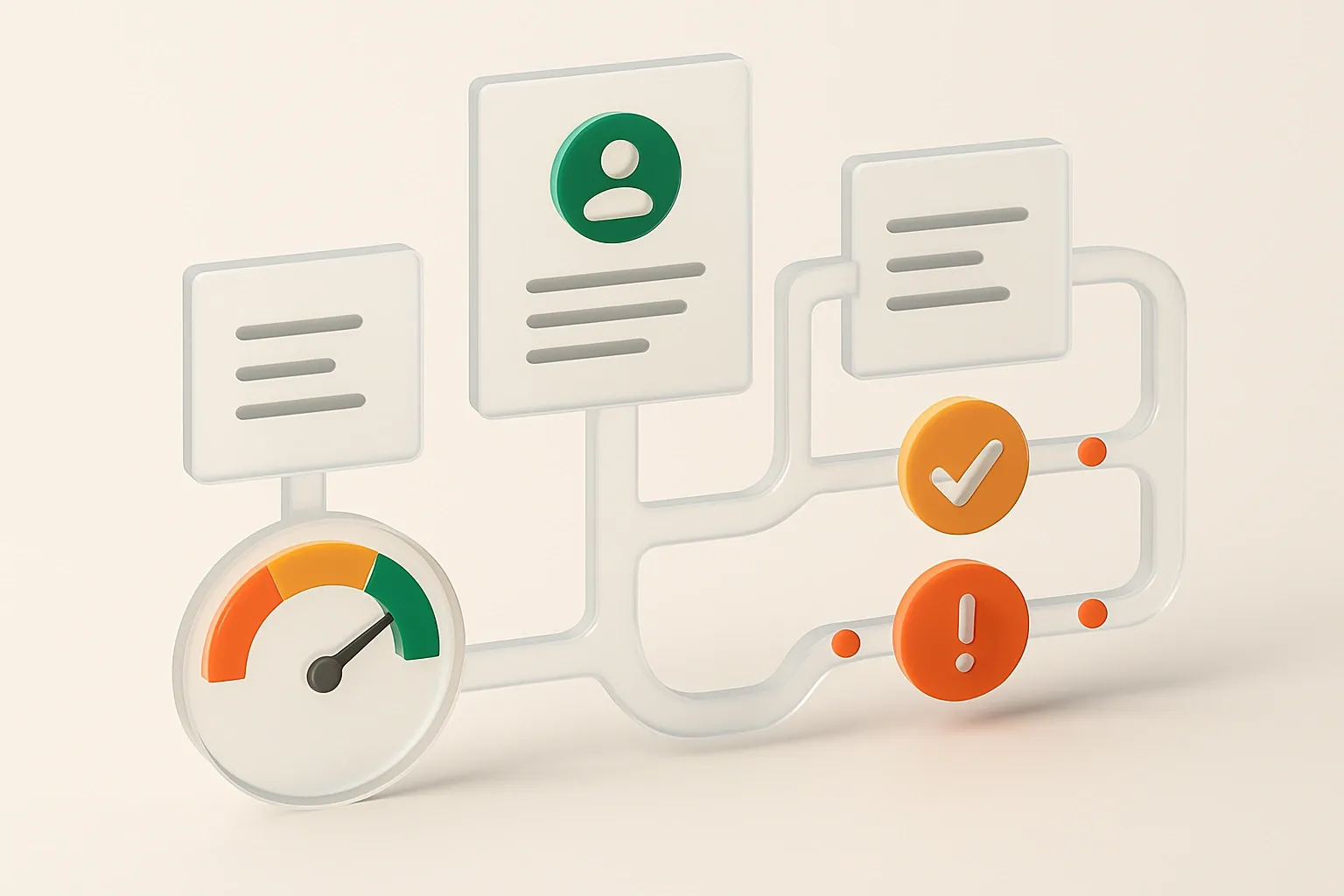
We’ve seen it time after time with fintech compliance — intuitive design doesn’t undermine it. It’s just the opposite. Friction-free, user-friendly in-app flows lead to improved regulatory outcomes.
Sticking to plain language is a great start. We build on this with progressive disclosure, which helps users to follow the process and understand their obligations. Over time, this means fewer misunderstandings and disputes.
The best fintech applications guide users through every step of the data-entry process. When executed correctly, this improves the quality of data, delivers more accurate KYC results, and spits out fewer false positives.
And the knock-on effect of better-quality data is a reduction in the number of risk-based, contextual checks needed. This means less friction for low-risk users without compromising your regulatory compliance obligations.
Easy-to-follow, transparent, and trusted customer journeys build confidence in fintech brands more than anything else. And when users become more willing to part with sensitive information, everyone wins.
Institutions that optimize onboarding UX can reduce application drop-off from around 25% to low-teens or single-digit percentages. More successfully completed onboarding steps means better compliance metrics!
The Reasons Why It’s Always Best to Put FinTech Users First
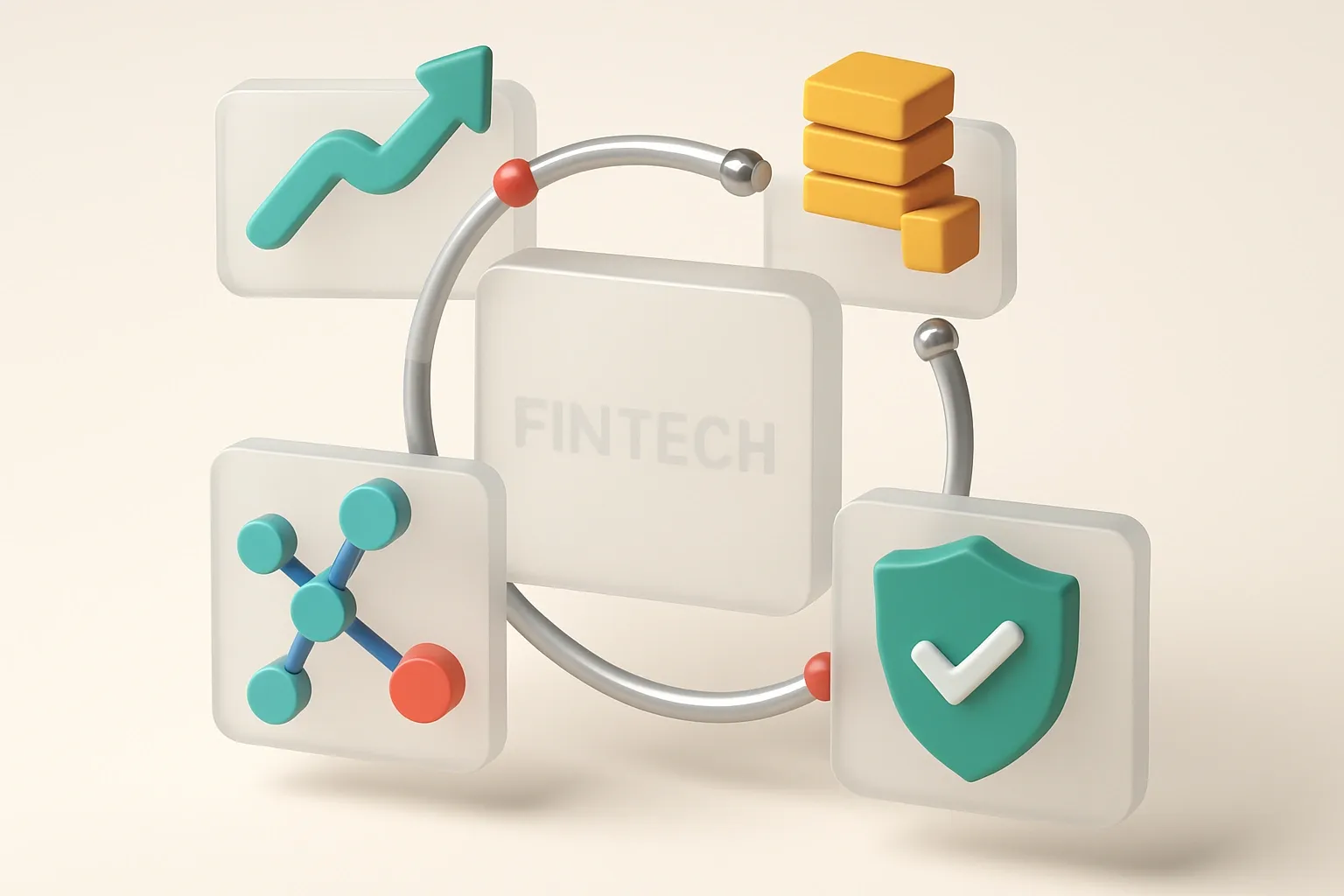
Putting users first isn’t just about satisfaction rates. The benefits on offer run deeper for those willing to put in the work during the development process.
Higher Conversion and Retention Rates
Conversion rates and retention rates increase when design puts the user first. Ultimately, this means more active users and a higher lifetime value. There’s a lot of intuition at play here. When fintech platforms are intuitive and feel trustworthy, users become more likely to complete onboarding processes and submit vital personal data.
Lower Acquisition and Operational Costs
When there are fewer support tickets and disputes to deal with, the ongoing costs of running a fintech platform become lower. And because conversion rates are elevated, there’s less need for costly marketing campaigns.
Stronger Brand Trust and Organic Growth
An impressed fintech platform user is worth their weight in gold. They won’t just tell you about their positive experience; they’ll tell their friends and family, too. Word of mouth leads to organic growth, which is far cheaper than running expensive marketing campaigns.
Better Regulatory Standing
When your fintech platform demonstrates its ability to remain compliant and treat customers fairly, regulators often take notice. And positive relationships with these bodies can make life a lot easier for management.
The Ability to React to Future Regulation Changes
Architectures designed with humans in mind allow teams to react to regulatory changes without the need for large-scale changes or significant disruption to user experiences. As a result, the cost of compliance and time-to-market are minimized.
The proof of the pudding is in the eating, as they say. According to McKinsey, fintechs and banks that prioritize user-focused design see increased customer retention and engagement rates. It really does pay to design these platforms for the people using them every day.
The Importance of User Testing in Regulated Environments
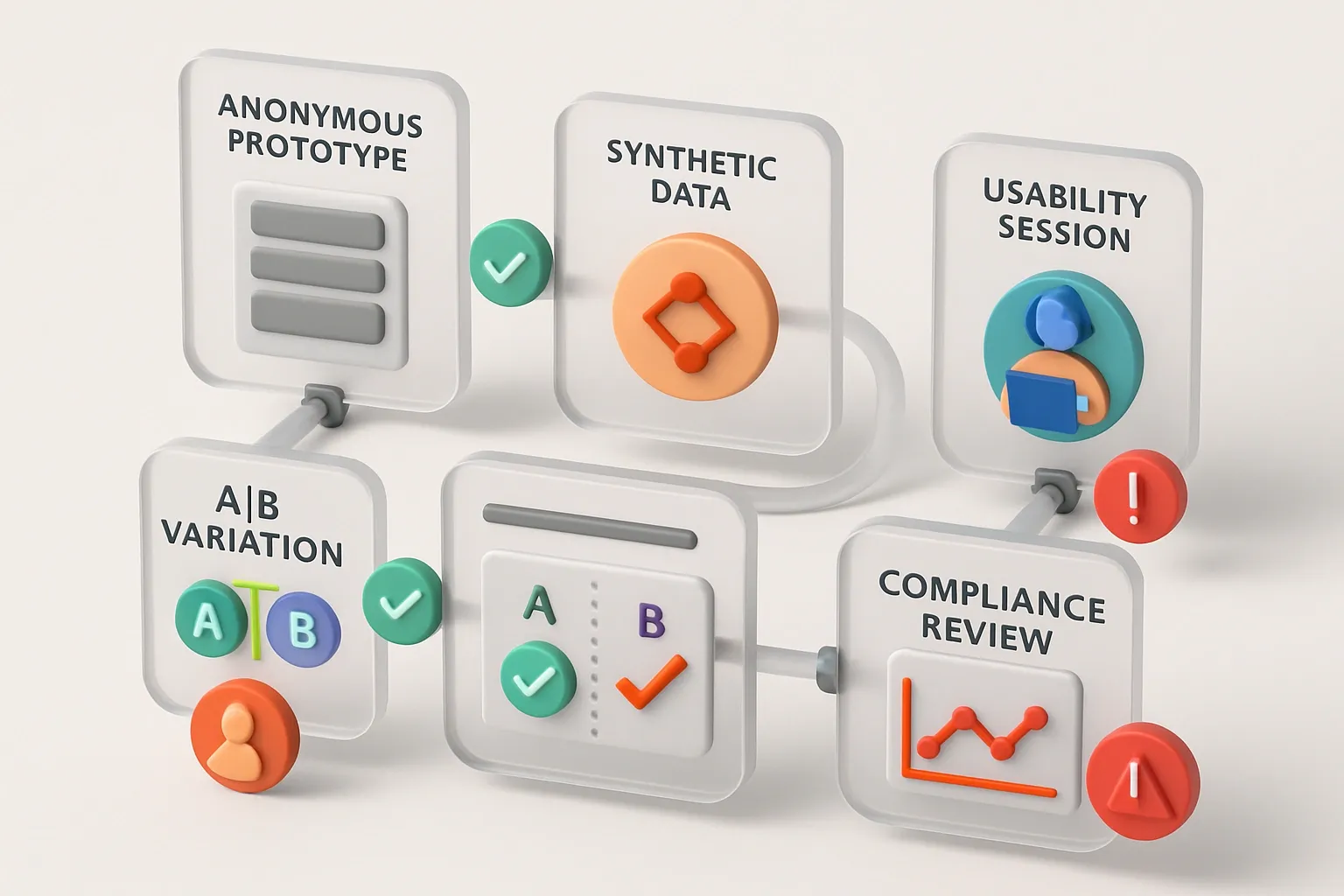
Yes, you can test fintech platforms while abiding by regulatory requirements. In fact, testing is essential if you want to ensure your users understand your flows. We often hear the claim that testing isn’t possible due to data protection issues. However, this issue can be overcome through the use of anonymous prototypes, synthetic data, and staged environments.
Over the years, our fintech software development team has developed a winning strategy for testing new platforms. This strategy involves one or more of the following steps:
- Test early concepts and wireframes
- Run usability studies with real users
- A/B test variations
- Use analytics and session replays
- Involve compliance teams in the design process
The importance of user comprehension can’t be overstated. Regulators want to see evidence that fintech developers and founders have taken all practicable steps to ensure users understand their obligations.
For example, the FCA in the UK requires firms to monitor and test customer outcomes. As a result, more and more fintech engineers are baking testing into their platforms from the outset.
Future-Proof Your Financial Platform with the Help of Fintech Software Development Experts

Compliance is compulsory, but it’s an exceptional user experience that gives fintech platforms a competitive edge. The best fintech app development services make usability a priority for this very reason.
Compliance and user experience go hand in hand. When you have a fintech developer who understands this, you’re well on the way to delivering a fully compliant platform set up for long-term growth. Want to learn more? Reach out to the DigiNeat team today to arrange a free strategy call.